The Endangered Wild Ginseng in Appalachia: A Conservationist's Perspective on American Ginseng Uses
Explore the cultural significance, medicinal uses, and conservation efforts for endangered American ginseng in Appalachia.
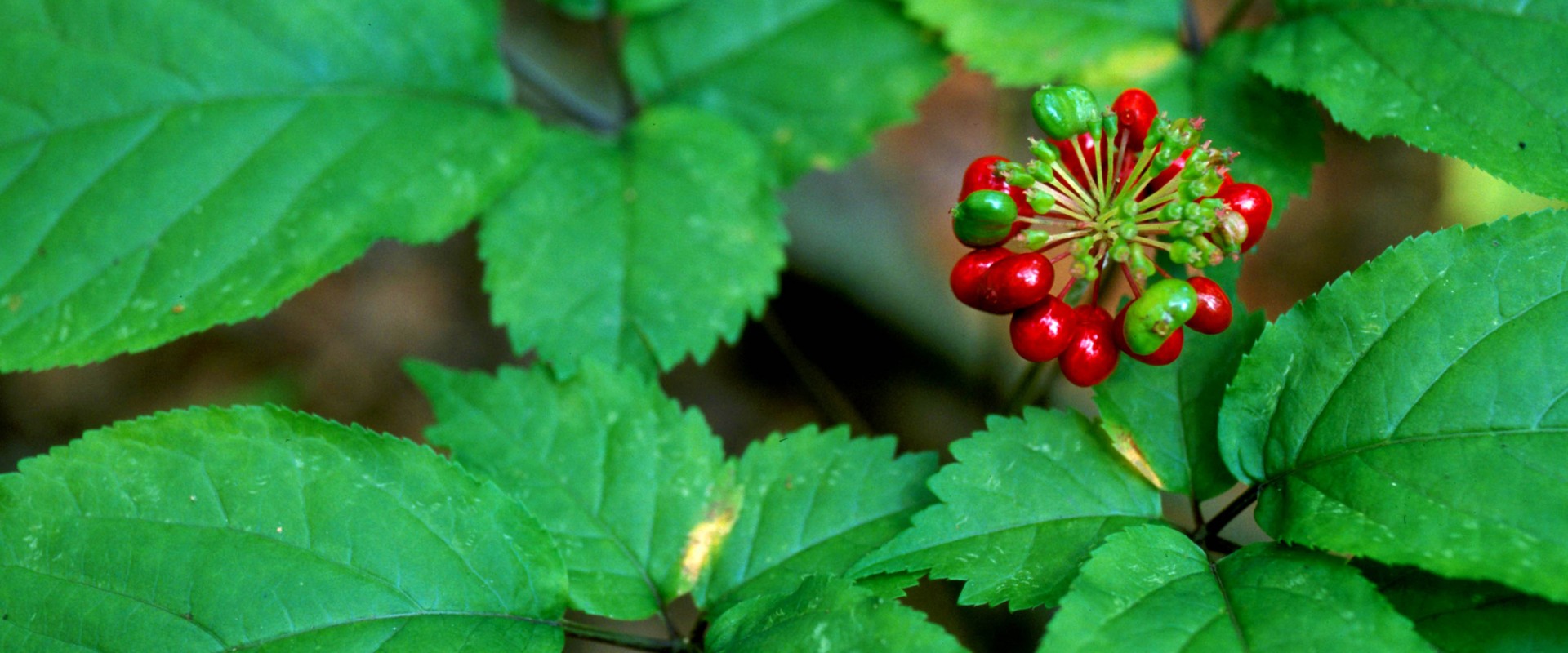
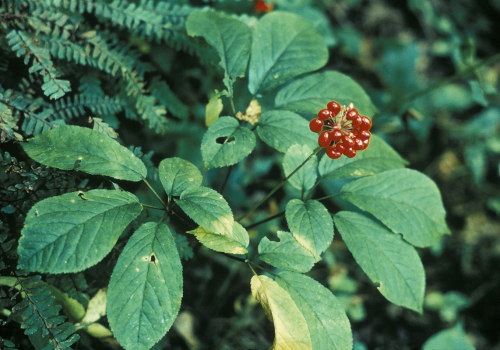
American ginseng, known scientifically as Panax quinquefolius, has a rich and storied history that intertwines with the cultural fabric of Appalachia. This native plant has been revered for centuries, not only for its medicinal properties but also for its role in the economic and social life of the region. The roots of American ginseng have been used in traditional medicine by Indigenous peoples long before European settlers arrived, who quickly recognized its value and incorporated it into their own herbal practices. In Appalachia, ginseng is more than just a plant; it is a symbol of resilience and connection to the land. The mountainous terrain provides an ideal habitat for ginseng, which thrives in the shaded understory of deciduous forests.
As settlers began to explore these rugged landscapes, they discovered the potential of ginseng as a lucrative cash crop. By the 18th century, wild ginseng was being harvested and exported to markets in Asia, where it was highly sought after for its purported health benefits. This burgeoning trade not only impacted local economies but also set the stage for the overharvesting that would threaten the plant's survival. The uses of American ginseng are diverse, ranging from its application in traditional medicine to its incorporation into modern dietary supplements. Traditionally, it has been used to boost energy, enhance cognitive function, and support overall wellness.
However, as demand surged, particularly in Asian markets where ginseng is considered a vital component of traditional medicine, the pressure on wild populations intensified. This has led to significant conservation concerns, as illegal harvesting practices have proliferated in response to high market prices. Understanding the historical context of American ginseng is crucial for appreciating its current status and the urgent need for conservation efforts. As we delve deeper into this topic, we will explore not only the cultural significance of ginseng in Appalachia but also the challenges it faces today due to overexploitation and habitat loss. By recognizing its past, we can better advocate for sustainable practices that ensure this valuable plant can thrive for generations to come.
The Medicinal Uses of American Ginseng
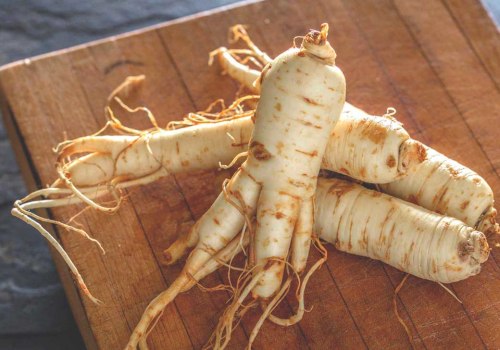
American ginseng (Panax quinquefolius) has been revered for centuries, not only for its economic value but also for its extensive medicinal properties.Traditionally used by Native American tribes, this herb has found its way into modern health practices, showcasing a blend of ancient wisdom and contemporary science. One of the most notable medicinal benefits of American ginseng is its adaptogenic properties. Adaptogens are natural substances that help the body adapt to stress and promote mental balance. Research suggests that American ginseng can enhance the body's resilience to physical and emotional stressors, making it a popular choice for those seeking to improve their overall well-being. In addition to its adaptogenic effects, American ginseng is often used to boost energy levels and combat fatigue. Many individuals report increased stamina and improved cognitive function after incorporating ginseng into their daily regimen.
This is particularly beneficial for those who lead busy lifestyles or engage in demanding physical activities.
Traditional Uses of Ginseng
Historically, American ginseng has been utilized in various traditional medicine systems. Native Americans employed it as a remedy for ailments such as digestive issues, respiratory problems, and even as a general tonic to enhance vitality. The roots were often brewed into teas or tinctures, allowing for easy consumption and absorption of its beneficial compounds. Moreover, American ginseng has been linked to improved immune function. Studies indicate that it may enhance the activity of immune cells, thereby helping the body fend off infections and illnesses.This immune-boosting property is particularly valuable during cold and flu seasons when maintaining health is paramount.
Modern Health Practices
In contemporary health practices, American ginseng is frequently found in dietary supplements and herbal formulations aimed at promoting wellness. Its active compounds, known as ginsenosides, are believed to play a crucial role in its therapeutic effects. These compounds have been studied for their potential anti-inflammatory and antioxidant properties, further solidifying ginseng's reputation as a powerful herbal ally. Furthermore, some research suggests that American ginseng may aid in regulating blood sugar levels, making it a potential adjunct therapy for individuals with diabetes. By improving insulin sensitivity and reducing blood sugar spikes after meals, it offers a natural approach to managing this chronic condition. In conclusion, the health benefits of American ginseng extend far beyond its economic value.From enhancing mental clarity and energy levels to supporting immune health and blood sugar regulation, this remarkable plant continues to be a vital component of both traditional and modern medicine. As awareness grows regarding its uses, it becomes increasingly important to ensure sustainable practices in harvesting this endangered species.
The Ecology of Wild Ginseng in Appalachia
Wild ginseng, particularly American ginseng (Panax quinquefolius), thrives in the unique ecological niches found within the Appalachian region. Understanding its habitat and ecological requirements is crucial for effective conservation efforts. This perennial herb prefers rich, moist, and well-drained soils, often found in deciduous forests where it can benefit from the dappled sunlight that filters through the tree canopy. The ideal habitat for wild ginseng typically includes:- Elevation: Ginseng is commonly found at elevations ranging from 1,000 to 3,000 feet.
The cooler temperatures at these heights help maintain the moisture levels in the soil.
- Soil Composition: It favors loamy soils rich in organic matter, which provide essential nutrients for growth. The presence of leaf litter is also beneficial as it helps retain moisture and provides a natural mulch.
- Moisture Levels: Consistent moisture is vital for ginseng's survival. Areas near streams or with high humidity are often ideal, as they help maintain the necessary soil moisture.
- Shade: Ginseng requires partial to full shade to thrive. The understory of mature forests provides the perfect environment, protecting it from direct sunlight while allowing enough light for photosynthesis.
It plays a role in the forest ecosystem by contributing to biodiversity and serving as a food source for various wildlife species. However, several environmental factors can impact its growth:
- Climate Change: Shifts in temperature and precipitation patterns can alter the delicate balance of ginseng habitats, potentially leading to reduced populations.
- Invasive Species: Non-native plants can outcompete ginseng for resources, further threatening its survival.
- Soil Erosion: Deforestation and land development can lead to soil erosion, degrading the quality of ginseng habitats.
Conservation Status and Legal Protections for Wild Ginseng
The conservation status of wild ginseng (Panax quinquefolius) is a pressing concern, particularly in the Appalachian region where it has been historically abundant. Due to its high demand in both domestic and international markets, wild ginseng has been classified as an endangered species in many areas.This classification is primarily due to overharvesting, habitat loss, and illegal poaching, which have significantly diminished its populations in the wild. In the United States, wild ginseng is protected under various federal and state laws aimed at ensuring its survival. The Endangered Species Act (ESA) plays a crucial role in this protection by prohibiting the collection and trade of endangered plants without proper permits. Additionally, the Convention on International Trade in Endangered Species of Wild Fauna and Flora (CITES) regulates international trade of ginseng to prevent its extinction due to overexploitation. At the state level, regulations vary significantly. For instance, in Tennessee and North Carolina, specific harvesting seasons are established to allow ginseng to mature and reproduce before being collected.
These regulations often include:
- Licensing Requirements: Harvesters must obtain a license to legally collect ginseng.
- Harvesting Seasons: Ginseng can only be harvested during designated months, typically from September 1 to December 31.
- Size Restrictions: Only mature plants with a minimum number of leaves are allowed to be harvested.
- Reporting Requirements: Harvesters may be required to report their collections to state authorities for monitoring purposes.
The future of this valuable plant hinges on effective conservation strategies that balance cultural traditions with ecological preservation.
The Impact of Overharvesting and Illegal Poaching
The overharvesting and illegal poaching of wild ginseng in Appalachia have reached alarming levels, threatening not only the plant itself but also the delicate ecosystems and cultural heritage of the region. As demand for American ginseng continues to rise, fueled by its perceived medicinal properties, the consequences of these actions become increasingly dire. One of the most significant issues surrounding ginseng poaching is the lack of sustainable practices among those who harvest it. Many individuals, driven by the potential for quick financial gain, engage in illegal harvesting without regard for the long-term viability of ginseng populations. This practice often involves uprooting entire plants, including their roots and seeds, which are essential for regeneration.Without these critical components, ginseng cannot reproduce effectively, leading to a rapid decline in its numbers. Real-life cases illustrate the severity of this problem. In 2019, a group of poachers was apprehended in the Great Smoky Mountains National Park with over 200 illegally harvested ginseng roots. This incident not only highlighted the ongoing battle against poaching but also raised questions about the effectiveness of current conservation efforts. The penalties for such actions are often minimal compared to the profits gained from selling wild ginseng on the black market, which can fetch prices as high as $1,000 per pound. The consequences of illegal ginseng poaching extend beyond just the loss of a valuable plant species.
The disruption of local ecosystems can lead to a cascade of negative effects on other flora and fauna that depend on ginseng habitats. Additionally, as wild ginseng becomes scarcer, it places further pressure on legal harvesters who follow regulations and contribute to sustainable practices. Moreover, the cultural implications are profound. Ginseng has been an integral part of Appalachian heritage for centuries, with traditional knowledge passed down through generations. The decline of wild ginseng threatens not only biodiversity but also the cultural identity tied to its use in herbal medicine and local economies. In conclusion, addressing the issues of overharvesting and illegal poaching is crucial for the future of wild ginseng in Appalachia.
Enhanced law enforcement, public awareness campaigns, and community engagement are essential steps toward ensuring that this valuable plant can thrive for generations to come.
Cultural Significance of Ginseng in Appalachian Communities
The cultural significance of ginseng in Appalachian communities extends far beyond its medicinal uses; it is deeply woven into the fabric of local traditions and folklore. For generations, ginseng has been revered not only as a valuable herbal remedy but also as a symbol of resilience and connection to the land. This small plant has played a pivotal role in shaping the identity of many Appalachian families, serving as a bridge between past and present. In Appalachian folklore, ginseng is often associated with various myths and legends. Many stories speak of its mystical properties, suggesting that it can bring good fortune or even serve as a protective talisman.Elders in these communities frequently share tales of how ginseng was discovered by their ancestors, often involving serendipitous encounters in the woods or guidance from nature spirits. Such narratives not only highlight the plant's importance but also reinforce a sense of community and shared heritage. Moreover, ginseng harvesting has become an integral part of seasonal traditions in Appalachia. Families often gather during the fall months to search for this elusive root, turning what could be a solitary task into a communal event. This practice fosters bonds among family members and neighbors, as they share tips on where to find the best specimens and recount stories from previous harvests.
The act of harvesting ginseng is not merely about collecting a valuable resource; it is an opportunity for storytelling, teaching, and preserving cultural knowledge. Additionally, the economic aspect of ginseng harvesting cannot be overlooked. For many families in Appalachia, wild ginseng represents a vital source of income. The high market value of American ginseng roots, particularly in Asian markets, has led to its cultivation and harvesting becoming a significant part of local economies. However, this economic reliance also poses challenges, as the demand can lead to overharvesting and illegal practices that threaten the sustainability of wild populations. To foster community support for conservation initiatives, it is essential to recognize and honor the cultural connections that Appalachian communities have with ginseng.
By integrating traditional knowledge and practices into conservation efforts, we can create programs that not only protect this endangered species but also celebrate its role in local heritage. Engaging community members in discussions about sustainable harvesting practices can help ensure that future generations continue to enjoy both the cultural and economic benefits that ginseng provides.
Future Directions for Ginseng Conservation Efforts
As we look to the future of ginseng conservation, it is crucial to adopt a multifaceted approach that combines scientific research, community engagement, and policy advocacy. The sustainability of wild ginseng populations in Appalachia hinges on our ability to implement effective conservation strategies that not only protect this valuable plant but also educate the public about its ecological significance.Research Initiatives
Ongoing research plays a vital role in understanding the biology and ecology of American ginseng. Scientists are currently studying the plant's growth patterns, habitat requirements, and reproductive biology to develop best practices for its conservation.
For instance, studies focusing on the genetic diversity of ginseng populations can help identify resilient strains that are better suited to withstand environmental changes and diseases.
Moreover, researchers are exploring the effects of climate change on ginseng habitats. By modeling potential future scenarios, they can predict how shifts in temperature and precipitation may impact ginseng growth and distribution. This information is essential for developing adaptive management strategies that can mitigate these effects.
Community Engagement
Engaging local communities is another critical component of ginseng conservation efforts. Community-based initiatives can foster a sense of stewardship among residents who have historically relied on ginseng for their livelihoods.
Educational programs that highlight the importance of sustainable harvesting practices can empower individuals to protect wild populations while still benefiting economically.
- Workshops on sustainable harvesting techniques
- Involvement in local conservation groups
- Promotion of native plant gardening to support local ecosystems
Policy Advocacy
Advocating for stronger policies and regulations surrounding ginseng harvesting is essential for long-term conservation success. This includes supporting legislation that protects wild ginseng habitats from development and promoting stricter penalties for illegal harvesting activities. Collaboration with state and federal agencies can enhance enforcement efforts and ensure compliance with existing laws. Furthermore, raising public awareness about the plight of wild ginseng through campaigns and educational outreach can mobilize support for conservation initiatives.
By informing consumers about the ecological impact of their purchasing decisions, we can foster a more responsible market for ginseng products. In conclusion, the future of ginseng conservation in Appalachia depends on a collaborative approach that integrates research, community involvement, and policy advocacy. By taking proactive steps now, we can ensure that wild ginseng continues to thrive for generations to come.
FAQs About American Ginseng Uses and Conservation
As interest in American ginseng continues to grow, so do the questions surrounding its uses and conservation. Below are some frequently asked questions that provide clarity on this valuable plant.What are the primary uses of American ginseng?
American ginseng is primarily known for its medicinal properties. Traditionally, it has been used to:- Boost energy levels: Many people consume ginseng to enhance physical stamina and reduce fatigue.
- Support immune function: Ginseng is believed to help strengthen the immune system, making it a popular choice during cold and flu season.
- Improve cognitive function: Some studies suggest that ginseng may enhance memory and concentration.
- Reduce stress: The adaptogenic properties of ginseng can help the body cope with stress and promote overall well-being.
Is American ginseng safe to use?
While many people use American ginseng without adverse effects, it is essential to consult with a healthcare provider before starting any new supplement, especially for individuals with underlying health conditions or those taking medications.Potential side effects can include insomnia, headaches, and digestive issues.
How is American ginseng harvested sustainably?
Sustainable harvesting practices are crucial for the conservation of wild ginseng populations. Here are some key methods:- Harvesting only mature plants: Collecting roots from plants that are at least five years old helps ensure that younger plants can continue to grow and reproduce.
- Following local regulations: Adhering to state laws regarding harvesting seasons and quantities is vital for protecting wild populations.
- Avoiding overharvesting: Limiting the amount collected in any given area allows for regeneration and helps maintain ecological balance.
What conservation efforts are in place for American ginseng?
Numerous organizations and governmental bodies are working to protect American ginseng through various initiatives, including:- Education programs: Raising awareness about the importance of sustainable harvesting practices among collectors and consumers.
- Research initiatives: Conducting studies on ginseng populations to monitor their health and develop effective conservation strategies.
- Legal protections: Enforcing laws that regulate the collection of wild ginseng to prevent illegal harvesting and ensure its survival in natural habitats.
Conclusion: The Path Forward for Wild Ginseng in Appalachia
As we reflect on the intricate relationship between wild ginseng and the Appalachian region, it becomes clear that the future of this remarkable plant hinges on our collective actions. The challenges posed by illegal harvesting, coupled with the growing demand for ginseng in international markets, have placed immense pressure on this endangered species.To ensure its survival, we must adopt a multifaceted approach that encompasses conservation, education, and community engagement.
First and foremost,
it is essential to strengthen legal protections for wild ginseng. This includes not only enforcing existing laws but also advocating for stricter regulations that address the nuances of ginseng harvesting. Enhanced penalties for poaching can serve as a deterrent, while increased funding for conservation efforts can help monitor ginseng populations and their habitats.
Education
plays a pivotal role in fostering a culture of respect and sustainability around wild ginseng. By informing local communities about the ecological significance of ginseng and the consequences of overharvesting, we can cultivate a sense of stewardship.
Workshops and outreach programs can empower individuals to engage in sustainable practices, such as cultivating ginseng on private lands or participating in certified harvesting programs.
Community involvement
is equally vital. Local stakeholders, including farmers, herbalists, and conservationists, should collaborate to create a sustainable framework for ginseng harvesting. This could involve establishing community-led initiatives that promote responsible harvesting techniques and provide economic alternatives to poaching. By working together, communities can develop a shared vision that honors both their cultural heritage and the need for environmental preservation.
Moreover, raising awareness among consumers is crucial.
Educating buyers about the importance of sourcing ginseng responsibly can shift market demand towards sustainably harvested products. Consumers should be encouraged to seek out certified sources that adhere to ethical practices, thereby supporting both local economies and conservation efforts. In conclusion, the path forward for wild ginseng in Appalachia requires a concerted effort from all stakeholders involved. By prioritizing legal protections, enhancing education initiatives, fostering community engagement, and promoting responsible consumer behavior, we can work towards a future where wild ginseng thrives once more. Together, we have the power to protect this invaluable plant and preserve its legacy for generations to come.