The Truth About Ginseng and Blood Pressure: An Expert's Perspective on American Ginseng Uses
Discover the truth about American ginseng and its effects on blood pressure. Learn about its uses, benefits, and research findings.
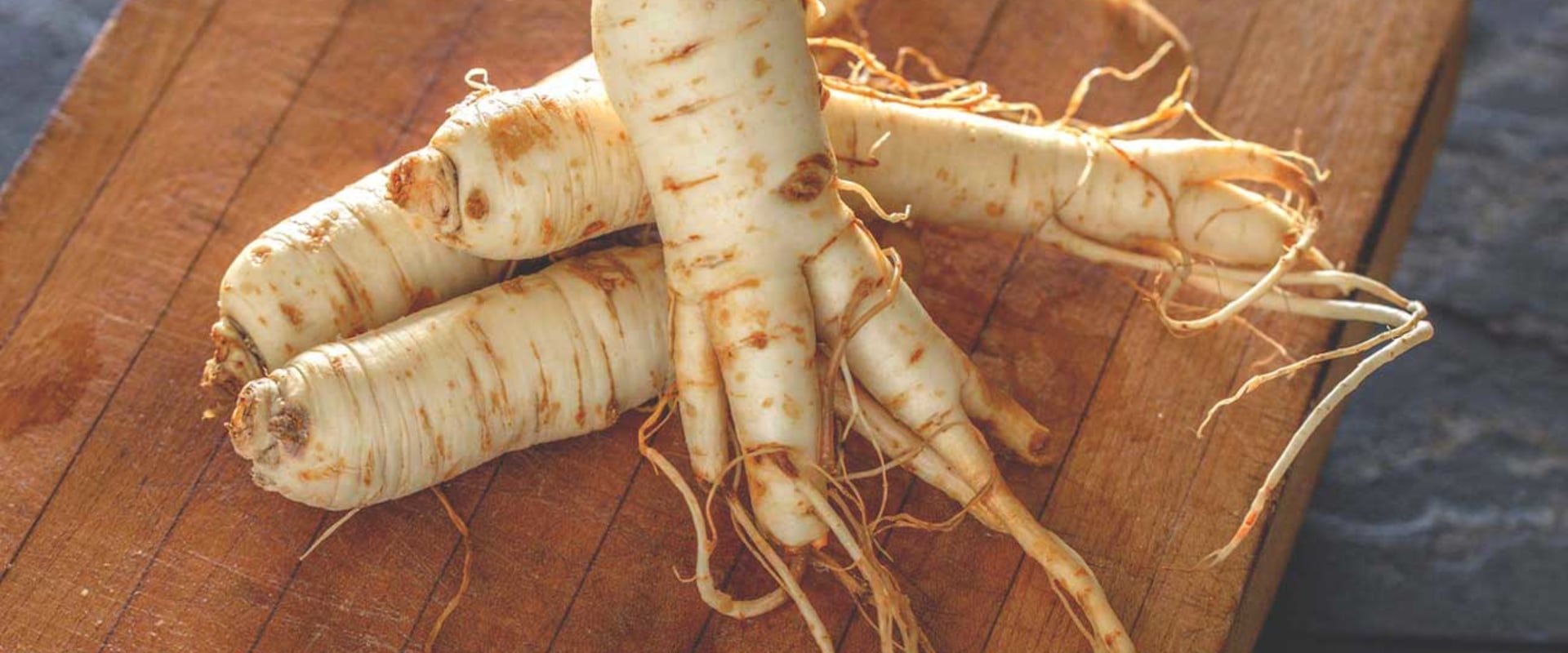
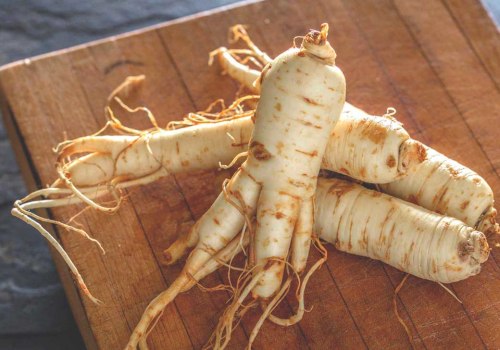
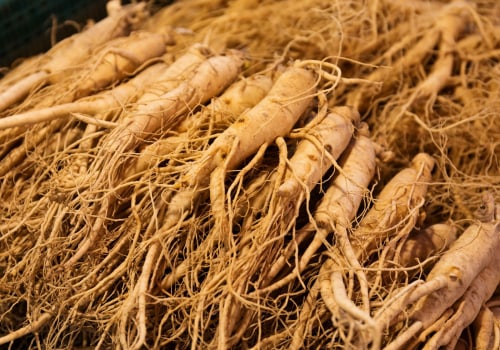
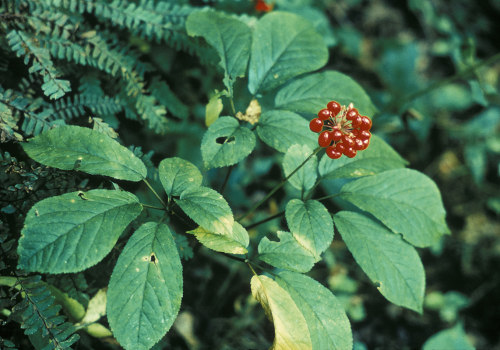
Ginseng is a revered herb in traditional medicine, known for its potential health benefits and adaptogenic properties. Among the various types of ginseng, American ginseng (Panax quinquefolius) stands out due to its unique profile and uses. Native to North America, this variety has been utilized for centuries by Indigenous peoples and later by herbalists for its calming effects and ability to enhance overall well-being. Understanding the different types of ginseng is crucial for anyone interested in harnessing their health benefits, particularly in relation to blood pressure management. There are primarily two well-known types of ginseng: American ginseng and Asian ginseng (Panax ginseng).
While both belong to the same genus and share some chemical similarities, they exhibit distinct properties and effects on the body. American ginseng is often considered milder and is traditionally used to promote relaxation, improve mental clarity, and support immune function. In contrast, Asian ginseng is typically viewed as more stimulating, often used to boost energy levels and enhance physical performance. The uses of American ginseng extend beyond mere energy enhancement; it has been studied for its potential role in regulating blood sugar levels, reducing stress, and even supporting cardiovascular health. These attributes make it a subject of interest for those concerned about blood pressure fluctuations.
As we delve deeper into the relationship between American ginseng and blood pressure, it becomes essential to explore not only its traditional applications but also the scientific evidence backing these claims. In summary, understanding the different types of ginseng and their respective uses lays the groundwork for a more informed discussion about their health implications. As we continue to explore the truth about American ginseng and its effects on blood pressure, we will uncover valuable insights that can guide individuals in making informed choices about their health.
The Biochemical Composition of American Ginseng
American ginseng, scientifically known as Panax quinquefolius, is a perennial herb that has garnered significant attention in the realm of herbal medicine due to its diverse biochemical composition. The primary active compounds in American ginseng are known as ginsenosides , which are a class of saponins that contribute to the plant's therapeutic properties. These ginsenosides are believed to play a crucial role in modulating various physiological processes, including immune function, stress response, and potentially even blood pressure regulation. Research has identified over 30 different ginsenosides in American ginseng, each with unique structures and biological activities.The most studied ginsenosides include Rg1 , Rb1 , and Re. These compounds exhibit adaptogenic properties, meaning they help the body adapt to stressors and maintain homeostasis. For instance, Rg1 is often associated with enhancing cognitive function and physical performance, while Rb1 is noted for its calming effects on the nervous system. The influence of ginsenosides on health outcomes extends beyond stress management. Some studies suggest that these compounds may have a direct impact on blood pressure regulation.
For example, certain ginsenosides have been shown to promote vasodilation, which is the widening of blood vessels, thereby potentially lowering blood pressure. This effect may be particularly beneficial for individuals dealing with hypertension or other cardiovascular issues. Moreover, the biochemical composition of American ginseng also includes polysaccharides, flavonoids, and phenolic compounds, all of which contribute to its antioxidant properties. Antioxidants are vital for combating oxidative stress in the body, which can lead to chronic diseases such as hypertension and heart disease. By reducing oxidative stress, American ginseng may help improve overall cardiovascular health. In summary, the complex biochemical makeup of American ginseng, particularly its rich array of ginsenosides and other beneficial compounds, underscores its potential as a valuable herbal remedy.
While more research is needed to fully understand the mechanisms by which these components influence health outcomes like blood pressure regulation, the existing evidence suggests that incorporating American ginseng into a balanced health regimen could offer significant benefits.
Research on American Ginseng and Blood Pressure
Research on the effects of American ginseng on blood pressure has produced a variety of findings, reflecting the complexity of this herbal remedy. Several clinical trials have been conducted to assess how American ginseng influences blood pressure levels, with results that sometimes contradict one another. One notable study published in the Journal of Clinical Hypertension examined the impact of American ginseng on individuals with prehypertension and stage 1 hypertension. Participants who consumed American ginseng extract daily for eight weeks showed a significant reduction in systolic and diastolic blood pressure compared to the placebo group. This suggests that American ginseng may have a beneficial effect on blood pressure regulation in certain populations. Conversely, another study highlighted in the American Journal of Chinese Medicine reported that high doses of American ginseng could lead to an increase in blood pressure among some individuals.This raises questions about the dosage and individual variability in response to ginseng. The conflicting results may stem from differences in study design, participant demographics, and the specific formulations of ginseng used. To better understand these discrepancies, researchers have proposed several potential mechanisms through which American ginseng may affect blood pressure:
- Ginsenosides: The active compounds in American ginseng, known as ginsenosides, are believed to play a crucial role in its pharmacological effects. Some studies suggest that certain ginsenosides can promote vasodilation, leading to lower blood pressure.
- Anti-inflammatory Effects: Chronic inflammation is often linked to hypertension. American ginseng has been shown to possess anti-inflammatory properties, which may contribute to its ability to lower blood pressure.
- Stress Reduction: As an adaptogen, American ginseng may help the body manage stress more effectively.
Since stress is a known contributor to elevated blood pressure, this effect could indirectly support healthier blood pressure levels.
How American Ginseng Affects Blood Sugar Levels
American ginseng (Panax quinquefolius) has garnered attention for its potential benefits in managing blood sugar levels, particularly among individuals with type 2 diabetes. This herb is rich in ginsenosides, which are believed to play a crucial role in its pharmacological effects.Understanding how American ginseng influences blood sugar can provide insights into its broader implications for health, including its indirect effects on blood pressure management. Research indicates that American ginseng may help lower blood sugar levels in several ways:
- Improved Insulin Sensitivity: Some studies suggest that American ginseng can enhance insulin sensitivity, allowing the body to utilize glucose more effectively. This is particularly beneficial for individuals with type 2 diabetes, where insulin resistance is a common issue.
- Reduction in Postprandial Glucose Levels: American ginseng has been shown to reduce postprandial (after meal) blood sugar spikes. For instance, one study found that participants who consumed American ginseng before a high-sugar beverage experienced a significantly smaller increase in their blood glucose levels compared to those who did not.
- Potential Anti-Inflammatory Effects: Chronic inflammation is often linked to insulin resistance and diabetes. The anti-inflammatory properties of American ginseng may contribute to better blood sugar control by reducing inflammation in the body.
High blood sugar levels can lead to various complications, including hypertension. By helping to stabilize blood sugar, American ginseng may indirectly support healthy blood pressure levels. Moreover, the adaptogenic properties of American ginseng may aid in stress reduction, which is another factor that can influence both blood sugar and blood pressure. Stress often leads to elevated cortisol levels, which can negatively impact glucose metabolism and contribute to hypertension. Therefore, incorporating American ginseng into a balanced lifestyle may offer dual benefits for those managing both blood sugar and blood pressure. In conclusion, while more research is needed to fully understand the extent of American ginseng's effects on blood sugar and its implications for blood pressure management, current evidence suggests that it holds promise as a complementary approach for individuals with type 2 diabetes.
As always, it is essential for individuals to consult healthcare professionals before adding any new supplement to their regimen, especially those with existing health conditions.
Potential Risks and Considerations for Ginseng Use
While American ginseng is often praised for its potential health benefits, it is crucial to recognize that its use is not without risks. Understanding these risks can help individuals make informed decisions about incorporating this herb into their health regimen.Ginseng Side Effects
- Some users may experience mild side effects such as headaches, digestive issues, or sleep disturbances. These effects can vary based on individual sensitivity and dosage.
- More serious side effects, although rare, can include allergic reactions, which may manifest as skin rashes or difficulty breathing. Anyone experiencing these symptoms should seek medical attention immediately.
- Ginseng can also interact with other medications, potentially leading to adverse effects.
For instance, it may enhance the effects of anticoagulants (blood thinners), increasing the risk of bleeding.
Risks of American Ginseng
- Individuals with high blood pressure should exercise caution when considering American ginseng. While some studies suggest it may lower blood pressure, others indicate it could have the opposite effect, particularly at different dosages.
- Those taking medications for hypertension should consult their healthcare provider before using ginseng to avoid any potential interactions that could complicate their treatment.
- Pregnant or breastfeeding women are generally advised to avoid ginseng due to insufficient research on its safety in these populations.
Who Should Avoid Ginseng?
- People with autoimmune diseases should be cautious, as ginseng may stimulate the immune system and exacerbate symptoms.
- Individuals with hormone-sensitive conditions, such as certain types of breast cancer, should also avoid ginseng due to its estrogen-like effects.
- Lastly, those who are sensitive to caffeine or other stimulants may find that ginseng exacerbates feelings of anxiety or restlessness.
Comparing American Ginseng to Asian Ginseng: Effects on Blood Pressure
When it comes to understanding the effects of ginseng on blood pressure, it is essential to differentiate between American ginseng (Panax quinquefolius) and Asian ginseng (Panax ginseng).While both types belong to the same family and share some similarities in their chemical makeup, their effects on blood pressure can vary significantly due to their unique profiles of active compounds.
Differences in Chemical Composition
- Ginsenosides: The primary active components in ginseng are known as ginsenosides. American ginseng contains a different ratio of these compounds compared to Asian ginseng. Research suggests that the specific types of ginsenosides present in each variant may influence their pharmacological effects, including their impact on blood pressure.
- Other Phytochemicals: In addition to ginsenosides, American ginseng is rich in other phytochemicals such as polysaccharides and flavonoids, which may contribute to its health benefits. These compounds can have antioxidant properties that help reduce inflammation and improve overall cardiovascular health.
Effects on Blood Pressure
The effects of American and Asian ginseng on blood pressure are not straightforward and can be influenced by various factors, including dosage and individual health conditions.
- American Ginseng: Some studies indicate that American ginseng may have a mild hypotensive effect, potentially lowering blood pressure in individuals with hypertension.
This effect is thought to be due to its ability to enhance endothelial function and improve blood flow.
- Asian Ginseng: Conversely, research on Asian ginseng presents a more complex picture. While some studies suggest it may lower blood pressure, others indicate that it could lead to an increase in blood pressure, particularly at higher doses. This variability may be attributed to the different types of ginsenosides present in Asian ginseng.
Conclusion
The contrasting effects of American and Asian ginseng on blood pressure highlight the importance of understanding the specific type of ginseng being used. For individuals concerned about hypertension or those considering incorporating ginseng into their health regimen, consulting with a healthcare professional is crucial.
This ensures that they choose the right type of ginseng based on their individual health needs and conditions.
Practical Applications: How to Use American Ginseng Safely
Incorporating American ginseng into your health regimen can be beneficial, but it’s essential to do so safely and effectively. Here are some practical applications, dosage recommendations, and tips for maximizing the benefits of this herbal supplement while minimizing potential risks.How to Use American Ginseng
American ginseng is available in various forms, including capsules, powders, teas, and tinctures. Each form has its own advantages:- Capsules: These are convenient for those who prefer a quick and easy method of consumption. They typically contain standardized doses of ginsenosides.
- Powder: This form can be added to smoothies or other foods, allowing for versatile use in your diet.
- Tea: Brewing American ginseng as a tea can be a soothing way to enjoy its benefits while also hydrating.
- Tinctures: These liquid extracts are potent and can be taken directly or mixed with water or juice.
Dosage Recommendations
The appropriate dosage of American ginseng can vary based on individual health needs and the specific product used.However, general guidelines suggest:
- For general health benefits: A typical dose ranges from 200 mg to 400 mg of standardized extract per day.
- For specific conditions: Higher doses may be recommended under the guidance of a healthcare professional. Some studies have used doses up to 1,000 mg per day for certain health issues.
Safe Consumption Tips
To ensure safe consumption of American ginseng, consider the following tips:- Avoid high doses: Taking excessive amounts can lead to side effects such as insomnia, headaches, or digestive issues.
- Monitor your body’s response: Pay attention to how you feel after taking ginseng. If you experience any adverse effects, discontinue use and consult a healthcare professional.
- Avoid combining with stimulants: Since ginseng may have stimulating effects, it’s best not to combine it with caffeine or other stimulants to prevent increased heart rate or anxiety.
- Consider cycling usage: Some experts recommend using ginseng in cycles (e.g., taking it for two weeks followed by a week off) to prevent tolerance and maintain its effectiveness.
FAQs About American Ginseng and Blood Pressure
As interest in herbal remedies continues to grow, many people have questions about the effects of American ginseng on blood pressure.Below are some frequently asked questions that can help clarify its potential benefits and risks.
1.Can American ginseng help lower blood pressure?
Research on American ginseng's effects on blood pressure is still evolving. Some studies suggest that it may have a mild hypotensive effect, potentially helping to lower blood pressure in certain individuals. However, the results are not universally consistent, and more research is needed to establish a clear connection.2.Are there any risks associated with taking American ginseng?
While American ginseng is generally considered safe for most people, it can interact with certain medications, particularly those for blood pressure and diabetes. Individuals with existing health conditions or those taking prescription medications should consult a healthcare provider before starting any new supplement.3.How does American ginseng compare to Asian ginseng?
American ginseng (Panax quinquefolius) and Asian ginseng (Panax ginseng) contain different types of ginsenosides, which may lead to varying effects on the body.While Asian ginseng is often associated with stimulating effects, American ginseng is typically viewed as more calming and may be better suited for individuals looking to manage stress or anxiety.
4.What are the other health benefits of American ginseng?
- Blood Sugar Regulation: American ginseng has been shown to help lower blood sugar levels in people with type 2 diabetes.
- Immune Support: Some studies suggest that it may enhance immune function, helping the body fight off infections.
- Mental Performance: It may improve cognitive function and reduce fatigue, making it beneficial for mental clarity.
5.How should I take American ginseng for optimal results?
The recommended dosage can vary based on individual health needs and the form of ginseng being used (e.g., capsules, tea, extract). It’s advisable to start with a lower dose and gradually increase it while monitoring your body's response. Always follow the guidance of a healthcare professional for personalized advice. In summary, while American ginseng shows promise in various health areas, including blood pressure management, it is essential to approach its use thoughtfully and consult with a healthcare provider for tailored recommendations.Conclusion: The Role of American Ginseng in Blood Pressure Management
In summary, the relationship between American ginseng and blood pressure is complex and multifaceted. While some studies indicate that American ginseng may have a beneficial effect on lowering blood pressure, particularly in individuals with type 2 diabetes, the evidence is not entirely conclusive.The contrasting findings regarding its impact on blood pressure highlight the need for further research to clarify its role in cardiovascular health. It is essential to recognize that individual responses to American ginseng can vary significantly based on factors such as dosage, the specific type of ginseng used, and the individual's overall health status. For instance, while some may experience a reduction in blood pressure, others might not see any change or could even experience an increase. This variability underscores the importance of personalized approaches when considering herbal supplements. Moreover, consulting with a healthcare provider before incorporating American ginseng into your regimen is crucial, especially for those with pre-existing health conditions such as hypertension or diabetes. A healthcare professional can provide tailored advice and monitor any potential interactions with medications or other treatments. As we continue to explore the potential health benefits of American ginseng, it is vital to approach its use with caution and informed understanding.
While it may offer advantages for some individuals, it is not a one-size-fits-all solution. The ongoing research will hopefully shed more light on how best to utilize this herb for optimal health outcomes. In conclusion, American ginseng holds promise as a natural supplement for managing blood pressure, but it should be used judiciously and under professional guidance. By staying informed and making educated choices, individuals can better navigate their health journeys while considering the potential benefits of this traditional herbal remedy.