The Comprehensive Guide to American Ginseng: Benefits, Risks, and Daily Incorporation
Explore the benefits and risks of incorporating American ginseng into your daily routine for improved health and wellness.
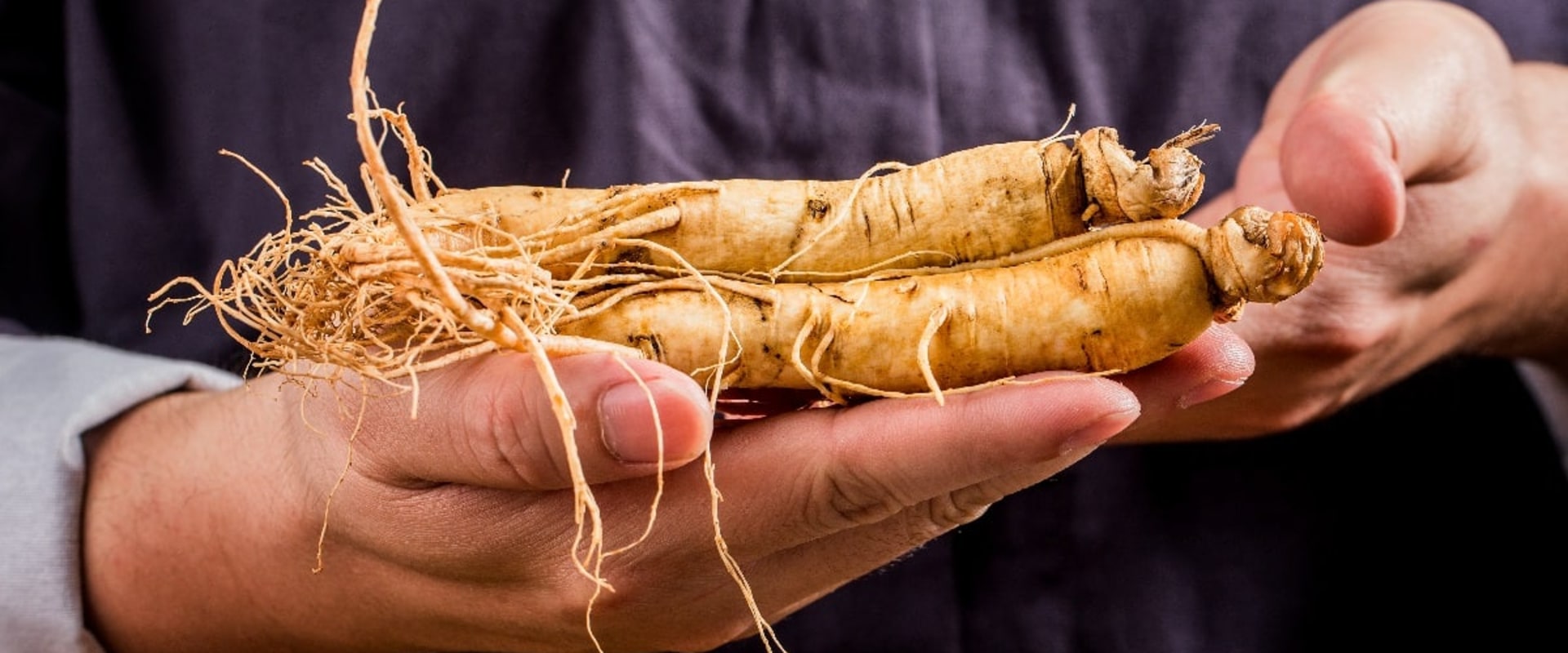
American ginseng, scientifically known as Panax quinquefolius, is a perennial herb native to North America, particularly found in the woodlands of the eastern United States and Canada. This remarkable plant has been revered for centuries, not only for its unique flavor but also for its extensive medicinal properties. Historically, Native American tribes utilized ginseng for various ailments, recognizing its potential to enhance overall health and vitality. Today, it continues to be a popular herbal supplement, often incorporated into daily routines for its numerous benefits. The traditional uses of American ginseng are diverse and compelling.
It has been employed as a natural remedy to boost energy levels, improve cognitive function, and support the immune system. Many people turn to this herb in hopes of alleviating stress and anxiety, as it is believed to possess adaptogenic properties that help the body adapt to physical and emotional stressors. Furthermore, American ginseng is often used to enhance athletic performance and recovery, making it a favored choice among fitness enthusiasts. In addition to its historical significance and traditional applications, modern research has begun to uncover the scientific basis for many of these claims. Studies suggest that American ginseng may help regulate blood sugar levels, improve mental clarity, and even support heart health.
As more individuals seek natural alternatives to conventional medicine, understanding the full spectrum of American ginseng uses becomes increasingly important. This section will delve deeper into the various benefits of incorporating this powerful herb into your daily routine, providing insights that can help you make informed decisions about your health.
Health Benefits of American Ginseng
American ginseng (Panax quinquefolius) has garnered attention for its potential health benefits, making it a popular choice among herbal supplements. This section delves into the various advantages associated with incorporating American ginseng into your daily routine, particularly focusing on energy enhancement, cognitive function improvement, and its potential anti-inflammatory properties.Energy Enhancement
One of the most sought-after benefits of American ginseng is its ability to boost energy levels. Many individuals report feeling more energized and less fatigued after using ginseng regularly.This effect may be attributed to the adaptogenic properties of ginseng, which help the body adapt to stress and maintain balance. A study involving active individuals indicated that supplementation with American ginseng extract significantly reduced exercise-induced muscle damage and inflammation, suggesting that it may enhance physical performance and recovery.
Cognitive Function Improvement
In addition to its energizing effects, American ginseng is also linked to improved cognitive function. Research has shown that regular consumption of ginseng may support brain health, particularly in older adults. A large-scale study found that individuals who consumed ginseng over a five-year period exhibited better cognitive performance compared to those who did not.The potential mechanisms behind this benefit include increased blood flow to the brain and enhanced neuronal health, which may contribute to improved memory and focus.
Anti-Inflammatory Properties
Another noteworthy aspect of American ginseng is its potential anti-inflammatory effects. Chronic inflammation is associated with various health issues, including heart disease and diabetes. Some studies suggest that American ginseng may help reduce markers of inflammation in the body, thereby promoting overall health. This anti-inflammatory action could be particularly beneficial for individuals engaging in regular physical activity or those with inflammatory conditions. In summary, incorporating American ginseng into your daily routine may offer several health benefits, including enhanced energy levels, improved cognitive function, and potential anti-inflammatory effects.However, as with any supplement, it is essential to consult with a healthcare provider before starting a new regimen to ensure it aligns with your individual health needs.
Potential Risks and Side Effects
While American ginseng is celebrated for its potential health benefits, it is crucial to be aware of the risks and side effects associated with its daily use. Understanding these factors can help individuals make informed decisions about incorporating this herbal supplement into their routines.Common Side Effects
Some users of American ginseng may experience side effects, which can vary in severity. Commonly reported side effects include:- Insomnia: Ginseng may have stimulating effects, leading to difficulty sleeping if taken in high doses or too close to bedtime.
- Headaches: Some individuals report experiencing headaches after starting ginseng supplementation.
- Digestive Issues: Nausea, diarrhea, or upset stomach can occur, particularly in those who are sensitive to herbal supplements.
- Changes in Blood Sugar Levels: Ginseng can affect blood sugar levels, which may be problematic for individuals with diabetes.
Interactions with Medications
American ginseng can interact with various medications, potentially altering their effectiveness or increasing the risk of adverse effects. Some notable interactions include:- Anticoagulants: Ginseng may enhance the effects of blood-thinning medications like warfarin, increasing the risk of bleeding.
- Diabetes Medications: Those taking insulin or oral hypoglycemic agents should monitor their blood sugar closely, as ginseng may lower blood sugar levels.
- Caffeine: Combining ginseng with caffeine-containing products may lead to increased heart rate and anxiety.
Who Should Avoid Ginseng?
Certain populations should exercise caution or avoid American ginseng altogether.These include:
- Pregnant and Breastfeeding Women: Due to insufficient research on safety, it is advised that pregnant or breastfeeding women refrain from using ginseng.
- Children: The safety of ginseng in children has not been well-studied, making it best to avoid its use in this age group.
- Individuals with Hormone-Sensitive Conditions: Those with conditions such as breast cancer or prostate cancer should consult a healthcare provider before using ginseng due to its potential estrogenic effects.
How to Incorporate American Ginseng into Your Daily Routine
Incorporating American ginseng into your daily routine can be a rewarding experience, provided you understand the various forms available and the appropriate dosages. Here’s a comprehensive guide on how to effectively integrate this herbal supplement into your lifestyle.Choosing the Right Form of American Ginseng
American ginseng is available in several forms, each with its own benefits:-
Capsules and Tablets: These are convenient and easy to take, making them a popular choice for many. They typically contain powdered ginseng root or standardized extracts.
Look for products that specify the amount of active ingredients.
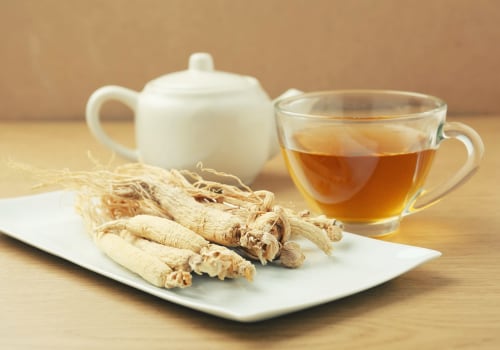
- Teas: Ginseng tea is a soothing way to enjoy the benefits of this herb. You can find pre-packaged ginseng tea bags or make your own by steeping dried ginseng root in hot water. This method may also provide a calming ritual to your day.
- Tinctures and Extracts: These liquid forms are concentrated and can be added to water or juice. Tinctures are often more potent than capsules, so be sure to follow dosage instructions carefully.
-
Powder: Ginseng powder can be added to smoothies, oatmeal, or other foods.
This versatile form allows for creative incorporation into your meals.
Recommended Dosage
The appropriate dosage of American ginseng can vary based on individual health needs and the specific product used. However, general guidelines suggest:- For Capsules/Tablets: A common dosage is 200-400 mg taken once or twice daily. Always check the label for specific recommendations based on the concentration of the extract.
- For Tea: If using dried root, steep about 2-3 grams in hot water for 10-15 minutes. You can drink this 1-2 times daily.
- Tinctures: Typically, 1-2 ml taken 1-3 times per day is recommended, but it’s essential to follow the manufacturer’s instructions.
Additionally, consult with a healthcare provider if you have any underlying health conditions or are taking medications that may interact with ginseng. By understanding how to take American ginseng and choosing the best form for your lifestyle, you can effectively harness its potential benefits while minimizing any risks associated with its use.
Comparing American Ginseng with Other Types of Ginseng
When exploring the world of ginseng, it is essential to understand the differences between American ginseng (Panax quinquefolius) and its Asian counterpart, Asian ginsengAsian ginseng (Panax ginseng). Both types of ginseng are renowned for their potential health benefits, but they possess distinct properties that cater to different needs and preferences.Origin and Cultivation
- American Ginseng: Native to North America, particularly in the forests of the eastern United States and Canada, American ginseng thrives in cooler climates. It is often harvested in the wild, which can contribute to its higher price and limited availability.
- Asian Ginseng: This variety is primarily found in East Asia, including China, Korea, and Siberia. Asian ginseng is cultivated in a wider range of environments and is more commonly available in various forms.
Active Compounds
The primary active compounds in both types of ginseng are known as ginsenosides.
However, the specific types and concentrations of these compounds differ:
- American Ginseng: Generally contains a higher concentration of Rb1 ginsenosides, which are believed to have calming effects and may help reduce stress.
- Asian Ginseng: Typically has a higher concentration of Rg1 ginsenosides, which are thought to provide stimulating effects, potentially enhancing energy levels and cognitive function.
Health Benefits
The health benefits associated with each type of ginseng can vary significantly:
- American Ginseng: Often recommended for individuals seeking to manage stress or improve overall well-being. It may also support immune function and enhance mental clarity without causing overstimulation.
- Asian Ginseng: Commonly used for boosting energy, improving physical performance, and enhancing sexual health. It is often favored by those looking for a more invigorating effect.
Usage Considerations
When deciding between American and Asian ginseng, consider your personal health goals:
- If you are looking for a supplement to help with relaxation or stress management, American ginseng may be the better choice.
- If you seek an energy boost or enhanced physical performance, Asian ginseng might be more suitable.
Frequently Asked Questions about American Ginseng
As interest in herbal supplements grows, many people are turning to American ginseng for its potential health benefits. However, questions about its safety and efficacy are common.Below, we address some frequently asked questions regarding American ginseng.
Is American ginseng safe?
Generally, American ginseng is considered safe for most adults when taken in appropriate doses. However, like any supplement, it can cause side effects in some individuals. Common side effects may include:- Insomnia
- Headaches
- Dizziness
- Gastrointestinal issues such as nausea or diarrhea
Can I take ginseng every day?
While many people incorporate American ginseng into their daily routines, it is generally recommended to cycle its use.Some experts suggest taking it for a few weeks followed by a break to minimize the risk of side effects and maintain its effectiveness. Long-term daily use may lead to tolerance, reducing its potential benefits. If you choose to take ginseng daily, monitor your body’s response closely and consult your healthcare provider for personalized advice.
Who should not take ginseng?
Certain groups of people should exercise caution or avoid American ginseng altogether:- Pregnant or breastfeeding women: There is insufficient research on the safety of ginseng during pregnancy and lactation.
- Children: Due to a lack of safety data, ginseng is not recommended for children.
- Individuals with hormone-sensitive conditions: Ginseng may affect hormone levels and could exacerbate conditions like breast cancer or prostate cancer.
- People on blood sugar medications: Ginseng can lower blood sugar levels; thus, those on diabetes medications should monitor their blood sugar closely.
Conclusion: Weighing the Pros and Cons of American Ginseng
In summary, the decision to incorporate American ginseng into your daily routine requires careful consideration of both its potential benefits and drawbacks. As we have explored, this herbal supplement has a rich history of use and is associated with various health benefits, but it is not without its risks.Pros of American Ginseng:
- Potential Health Benefits: Research suggests that American ginseng may enhance cognitive function, reduce inflammation, and improve exercise recovery. These benefits can be particularly appealing for those looking to boost their overall health and wellness.
-
Adaptogenic Properties: Ginseng is often classified as an adaptogen, which means it may help the body manage stress more effectively.
This can be beneficial for individuals facing high levels of stress in their daily lives.
- Blood Sugar Regulation: Some studies indicate that American ginseng may assist in regulating blood sugar levels, making it a potential ally for those managing diabetes.
Cons of American Ginseng:
- Possible Side Effects: While many people tolerate ginseng well, some may experience side effects such as insomnia, headaches, or digestive issues. It is crucial to monitor your body's response when starting any new supplement.
- Drug Interactions: American ginseng can interact with certain medications, particularly those affecting blood sugar levels. Consulting with a healthcare provider before starting ginseng is essential to avoid adverse interactions.
- Lack of Long-Term Research: Although there are promising studies on the benefits of ginseng, more extensive and long-term research is needed to fully understand its effects and safety over time.
Always consult with a healthcare professional to ensure that this herbal supplement aligns with your individual health profile. By weighing these pros and cons carefully, you can make an informed decision about whether American ginseng is a suitable addition to your lifestyle.