The Surprising Truth About American Ginseng and High Blood Pressure
Discover the effects of American ginseng on high blood pressure and its potential benefits and risks for cardiovascular health.
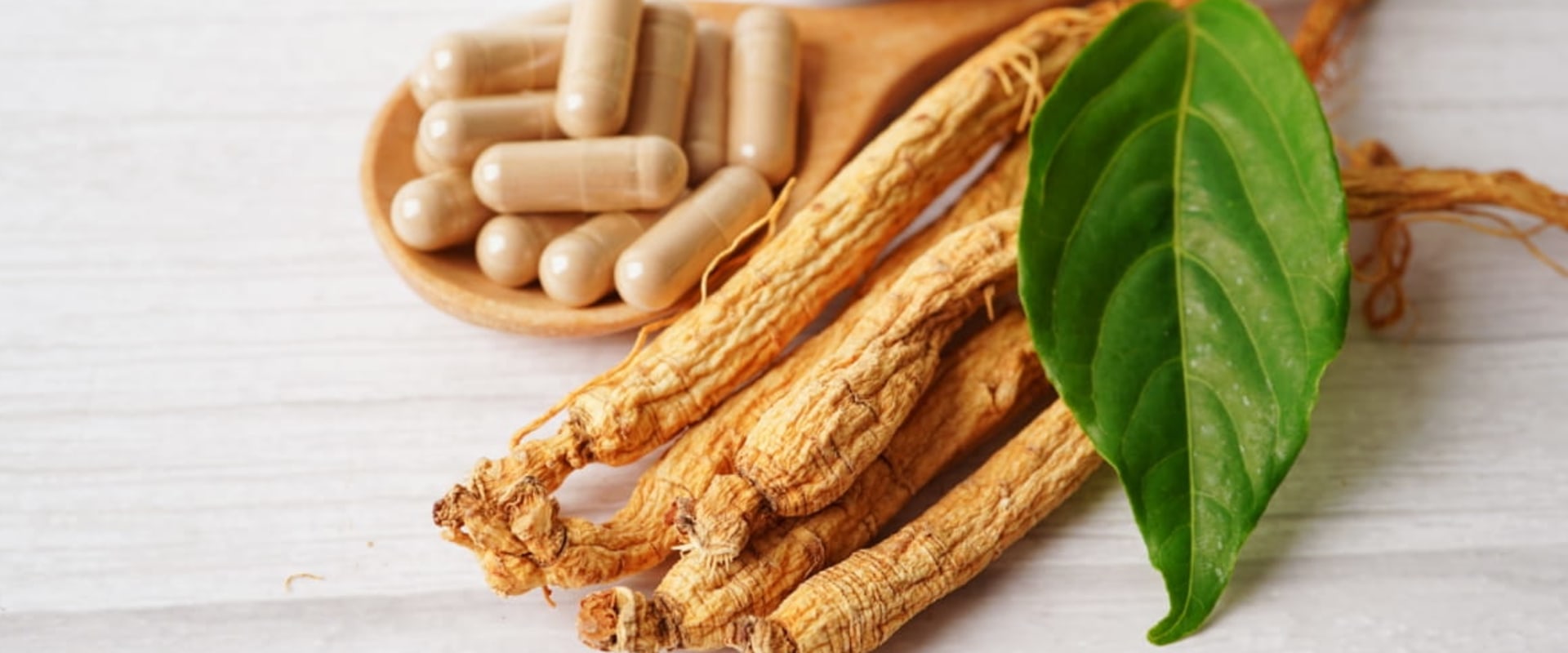
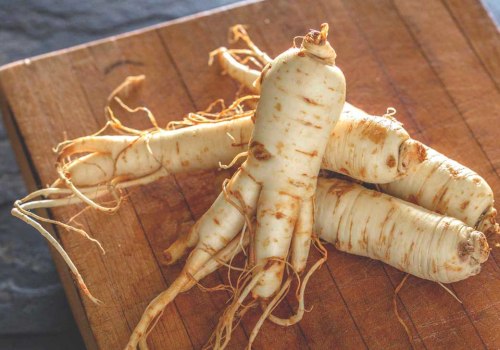
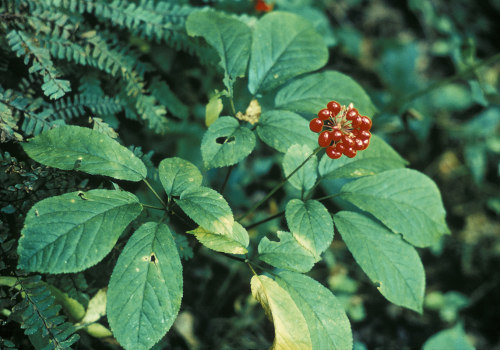
Ginseng is a perennial plant renowned for its medicinal properties, particularly in traditional Asian medicine. The root of the ginseng plant is the part most commonly used for its health benefits, and it has been a staple in herbal remedies for centuries. There are several types of ginseng, with the most notable being American ginseng (Panax quinquefolius) and Asian ginseng (Panax ginseng). Each type possesses unique characteristics and potential health benefits, making them valuable in different contexts. American ginseng, native to North America, has gained popularity due to its adaptogenic properties, which help the body manage stress and promote overall well-being.
Traditionally, it has been used to enhance energy levels, improve cognitive function, and support immune health. Its mild flavor and versatility make it a popular choice for teas and supplements. In contrast, Asian ginseng is often considered more potent and is frequently used to boost stamina and enhance physical performance. The historical uses of ginseng extend beyond mere energy enhancement; it has been employed in various cultures to treat ailments ranging from fatigue to digestive issues. The roots contain active compounds known as ginsenosides, which are believed to contribute to their therapeutic effects.
As research continues to unfold, the potential applications of American ginseng are becoming increasingly relevant, particularly concerning cardiovascular health and conditions like high blood pressure. Understanding the different types of ginseng and their respective uses is crucial for anyone considering incorporating this herb into their health regimen. With its rich history and growing body of research supporting its benefits, American ginseng stands out as a promising option for those seeking natural ways to support their health.
The Science Behind Ginseng and Blood Pressure
The relationship between ginseng and blood pressure is a complex one, with various studies yielding mixed results. Understanding the underlying science is essential for anyone considering ginseng as a supplement, especially those with hypertension. Research on ginseng's effects on blood pressure has produced both supportive and conflicting evidence. Some studies suggest that ginseng may have a beneficial effect on cardiovascular health, while others indicate potential risks, particularly for individuals with pre-existing conditions.Supportive Studies
Several studies have indicated that ginseng may help lower blood pressure in certain populations.For instance, a study published in the Journal of Ethnopharmacology found that participants who consumed American ginseng experienced a significant reduction in systolic and diastolic blood pressure after eight weeks of supplementation. The researchers attributed this effect to ginseng's ability to enhance endothelial function and improve vascular health. Another study highlighted the antioxidant properties of ginseng, which may play a role in reducing oxidative stress—a known contributor to hypertension. By mitigating oxidative damage, ginseng could potentially help maintain healthy blood pressure levels.
Conflicting Evidence
Conversely, some research has raised concerns about the potential for ginseng to increase blood pressure. A clinical trial published in the American Journal of Hypertension reported that low doses of panax ginseng led to elevated blood pressure in individuals with hypotension.This finding suggests that the effects of ginseng may vary significantly based on dosage and individual health status. Moreover, a meta-analysis examining multiple studies found no significant overall effect of ginseng on blood pressure, indicating that more rigorous research is needed to draw definitive conclusions. The variability in results may stem from differences in study design, types of ginseng used, and participant demographics.
The Need for Further Research
The current body of research underscores the necessity for more comprehensive studies to clarify the relationship between ginseng and blood pressure. Future investigations should focus on standardized dosages, specific types of ginseng extracts, and diverse populations to better understand how this herbal remedy interacts with cardiovascular health. In summary, while some evidence supports the potential benefits of ginseng for managing blood pressure, conflicting findings highlight the need for caution. Individuals considering ginseng should consult healthcare professionals to ensure safe and informed use.American Ginseng: Unique Properties and Benefits
American ginseng, scientifically known as Panax quinquefolius, is a perennial herb native to North America.It has been utilized in traditional medicine for centuries, particularly by Native American tribes, who recognized its potential health benefits. Unlike its Asian counterpart, Panax ginseng, American ginseng is often considered to have milder effects, making it a popular choice for those seeking a gentler herbal remedy.
Unique Properties of American Ginseng
- Adaptogenic Qualities: American ginseng is classified as an adaptogen, meaning it helps the body adapt to stress and promotes overall balance. This property can be particularly beneficial for individuals dealing with chronic stress, which is known to contribute to high blood pressure.
- Ginsenosides: The active compounds in American ginseng, known as ginsenosides, are believed to play a crucial role in its health benefits. These compounds exhibit antioxidant properties and may help reduce inflammation, both of which are important for cardiovascular health.
-
Immune Support: Research suggests that American ginseng may enhance immune function, helping the body fend off illnesses and infections.
A robust immune system can indirectly support heart health by reducing the overall burden on the body.
Benefits of American Ginseng
The potential benefits of American ginseng extend beyond just stress relief. Some of the notable advantages include:
- Blood Sugar Regulation: Studies indicate that American ginseng may help lower blood sugar levels in individuals with type 2 diabetes. By improving insulin sensitivity, it can contribute to better metabolic health.
- Cognitive Function: There is evidence suggesting that American ginseng may enhance cognitive performance and memory. This can be particularly beneficial for older adults looking to maintain mental clarity.
-
Cardiovascular Health: While research on its direct effects on blood pressure is still ongoing, some studies suggest that American ginseng may help improve circulation and reduce blood pressure in certain populations.
Its antioxidant properties may also protect against oxidative stress, which is linked to heart disease.
How American Ginseng Works
The mechanisms through which American ginseng exerts its effects are complex and multifaceted. The ginsenosides found in the root interact with various receptors in the body, influencing physiological processes such as:
- Vasodilation: Some studies suggest that ginsenosides may promote vasodilation, or the widening of blood vessels, which can lead to lower blood pressure.
- Hormonal Regulation: American ginseng may influence hormone levels related to stress and metabolism, helping to stabilize blood pressure fluctuations caused by stress responses.
- Antioxidant Activity: By combating oxidative stress, American ginseng helps protect cells from damage that can lead to chronic diseases, including hypertension.
Potential Risks of Ginseng for Individuals with High Blood Pressure
While ginseng is often praised for its potential health benefits, it is crucial to understand the potential risks associated with its use, particularly for individuals with high blood pressure. The complexity of ginseng's effects on the cardiovascular system means that caution is warranted.Interactions with Medications
One of the primary concerns for those with high blood pressure is the interaction of ginseng with various medications.
Ginseng can affect how certain drugs work, particularly those that are used to manage blood pressure and blood thinners. For instance:
- Antihypertensive Medications: Ginseng may interfere with the effectiveness of medications designed to lower blood pressure. This could lead to uncontrolled hypertension, which poses significant health risks.
- Blood Thinners: Ginseng has been shown to enhance blood circulation by inhibiting platelet aggregation. While this can be beneficial in some contexts, it may increase the risk of bleeding in individuals taking anticoagulants like warfarin or aspirin.
Side Effects of Ginseng
In addition to drug interactions, ginseng can cause a range of side effects that may be particularly concerning for those with high blood pressure:
- Increased Blood Pressure: Some studies suggest that low doses of ginseng may actually raise blood pressure in certain individuals, which is counterproductive for those already managing hypertension.
-
Nervousness and Insomnia: Ginseng can stimulate the central nervous system, leading to symptoms such as anxiety and difficulty sleeping.
These effects can exacerbate stress levels, potentially impacting blood pressure negatively.
- Gastrointestinal Issues: Some users report digestive problems, including nausea and diarrhea, which can further complicate health management.
Contraindications
Before considering ginseng as a supplement, individuals with high blood pressure should consult healthcare professionals. It is essential to evaluate personal health conditions and any other medications being taken. Ginseng may not be suitable for:
- Individuals with hormone-sensitive conditions due to its estrogen-like effects.
- Those who are pregnant or breastfeeding, as safety has not been established.
- People with autoimmune diseases, as ginseng may stimulate the immune system.
How to Use American Ginseng Safely
When considering the use of American ginseng for its potential health benefits, particularly in relation to blood pressure, it is crucial to approach its use with caution and knowledge.Here are some practical guidelines on how to use American ginseng safely.
Forms of American Ginseng
American ginseng is available in various forms, each with its own advantages:- Capsules or Tablets: These are convenient and provide a standardized dose, making it easier to manage intake.
- Powder: Ginseng powder can be added to smoothies or teas, allowing for versatile consumption.
- Tinctures: Liquid extracts can be taken directly or mixed with water, offering a quick absorption rate.
- Dried Root: This can be brewed into tea, providing a traditional method of consumption.
Recommended Dosage
The appropriate dosage of American ginseng can vary based on individual health needs and the specific product used. However, general guidelines suggest:- For capsules or tablets: A typical dose ranges from 200 mg to 400 mg per day.
- For powdered form: About 1 to 2 grams per day is often recommended.
- Tinctures: Usually, 1 to 2 ml taken two to three times daily is considered effective.
Safe Use of Ginseng
To ensure safe use of American ginseng, consider the following precautions:- Avoid High Doses: Excessive intake may lead to side effects such as insomnia, headaches, or gastrointestinal issues.
- Monitor Blood Pressure: Regularly check your blood pressure if you have hypertension and are using ginseng.
- Consult Your Doctor: Always discuss with your healthcare provider before adding ginseng to your routine, especially if you are on blood thinners or other medications.
- Avoid Long-Term Use: It is generally recommended not to use ginseng continuously for more than three months without a break.
Always prioritize safety and informed decision-making when incorporating herbal supplements into your health regimen.
Lifestyle Changes to Manage High Blood Pressure
Managing high blood pressure effectively often requires a multifaceted approach that includes lifestyle changes. While herbal supplements like ginseng may offer some benefits, they should not replace foundational health practices. Here are several key lifestyle modifications that can significantly impact blood pressure levels.Dietary Adjustments
A heart-healthy diet is crucial for controlling hypertension. The DASH dietDASH diet (Dietary Approaches to Stop Hypertension) is specifically designed to help lower blood pressure.This diet emphasizes:
- Fruits and Vegetables: Aim for at least five servings of fruits and vegetables daily. These foods are rich in potassium, which can help balance sodium levels in the body.
- Whole Grains: Incorporate whole grains such as brown rice, quinoa, and whole wheat bread, which provide essential nutrients and fiber.
- Lean Proteins: Choose lean meats, fish, and plant-based proteins like beans and legumes to reduce saturated fat intake.
- Low-Fat Dairy: Opt for low-fat or fat-free dairy products to maintain calcium intake without excess fat.
- Limit Sodium: Reducing sodium intake to less than 2,300 mg per day (or ideally 1,500 mg) can have a significant effect on lowering blood pressure.
Regular Physical Activity
Engaging in regular exercise is another vital component of managing high blood pressure. Aim for at least 150 minutes of moderate aerobic activity each week, such as:- Walking: A brisk walk for 30 minutes most days can help lower blood pressure.
- Cycling: Riding a bike, whether stationary or outdoors, is an excellent way to improve cardiovascular health.
- Swimming: This low-impact exercise is great for those with joint issues and provides a full-body workout.
Lifestyle Modifications
Certain lifestyle choices can also play a significant role in managing hypertension:- Avoiding Tobacco: Smoking cessation is crucial as tobacco use can elevate blood pressure and damage blood vessels.
- Limiting Alcohol: If you drink alcohol, do so in moderation—up to one drink per day for women and two for men.
- Stress Management: Chronic stress may contribute to high blood pressure. Techniques such as meditation, yoga, or deep-breathing exercises can be beneficial.
Frequently Asked Questions About Ginseng and Blood Pressure
As interest in herbal remedies continues to grow, many people have questions about ginseng and its relationship with blood pressure.Below are some of the most frequently asked questions regarding ginseng and hypertension, along with clarifications to dispel common myths.
What is ginseng?
Ginseng is a popular herbal supplement derived from the roots of plants in the genus Panax. It has been used for centuries in traditional medicine, particularly in Asian cultures, for its potential health benefits, including boosting energy, enhancing cognitive function, and improving overall well-being.Can ginseng help lower blood pressure?
The effects of ginseng on blood pressure are complex and can vary based on dosage and individual health conditions. Some studies suggest that American ginseng may have a mild hypotensive effect, potentially lowering blood pressure in certain individuals. However, other research indicates that it might raise blood pressure in some cases.Therefore, it is crucial to consult with a healthcare provider before using ginseng as a treatment for hypertension.
Is it safe to take ginseng if I have high blood pressure?
If you have high blood pressure or are on medication for hypertension, it is essential to speak with your doctor before incorporating ginseng into your regimen. While some individuals may tolerate it well, others could experience adverse effects or interactions with their medications.Are there any side effects associated with ginseng?
While ginseng is generally considered safe for most people when taken in moderation, it can cause side effects such as insomnia, headaches, digestive issues, and changes in blood pressure. Additionally, it may interact with medications like blood thinners and antidepressants.What are some common myths about ginseng?
-
Myth: All types of ginseng have the same effects on blood pressure.
Fact: Different species of ginseng (e.g., American vs. Asian) can have varying effects on the body. -
Myth: Ginseng is a guaranteed cure for hypertension.
Fact: While it may offer some benefits, it should not replace prescribed medications or lifestyle changes recommended by healthcare professionals. -
Myth: Ginseng can be taken without any precautions.
Fact: It’s important to consult a healthcare provider before starting any new supplement, especially if you have existing health conditions.
Always prioritize safety and consult with a healthcare professional to make informed decisions about your health.
Conclusion: The Role of Ginseng in Managing High Blood Pressure
In summary, the relationship between ginseng and high blood pressure is complex and multifaceted. While ginseng has been celebrated for its potential health benefits, including its role in enhancing cardiovascular health, the evidence regarding its effects on blood pressure remains inconclusive. Some studies indicate that ginseng may elevate blood pressure at lower doses while potentially lowering it at higher doses, creating a paradox that necessitates caution. It is crucial to recognize that individual responses to ginseng can vary significantly based on factors such as dosage, the specific type of ginseng used, and the individual's overall health status. For those with high blood pressure or related cardiovascular concerns, the potential risks associated with ginseng consumption cannot be overlooked.The possibility of interactions with medications, particularly blood thinners, further complicates its use. Given these complexities, consulting with a healthcare provider is essential before incorporating ginseng into any health regimen. A medical professional can provide personalized advice based on an individual's medical history and current medications, ensuring that any supplement taken does not adversely affect blood pressure or overall health. Moreover, while exploring natural remedies like ginseng, it is vital to prioritize evidence-based lifestyle changes. These may include adopting a balanced diet rich in fruits and vegetables, engaging in regular physical activity, managing stress levels, and avoiding tobacco use. Such measures are proven to be effective in managing high blood pressure and promoting heart health. In conclusion, while ginseng may offer some benefits for cardiovascular health, its role in managing high blood pressure should be approached with caution.
Ongoing research will hopefully clarify its effects and establish clearer guidelines for safe use. Until then, informed decision-making and professional guidance remain paramount for anyone considering ginseng as part of their health strategy.