The Comprehensive Guide to American Ginseng: Benefits, Risks, and Dietary Incorporation
Explore the benefits and risks of American ginseng, its uses in diet, and how to incorporate it into your daily routine for optimal health.
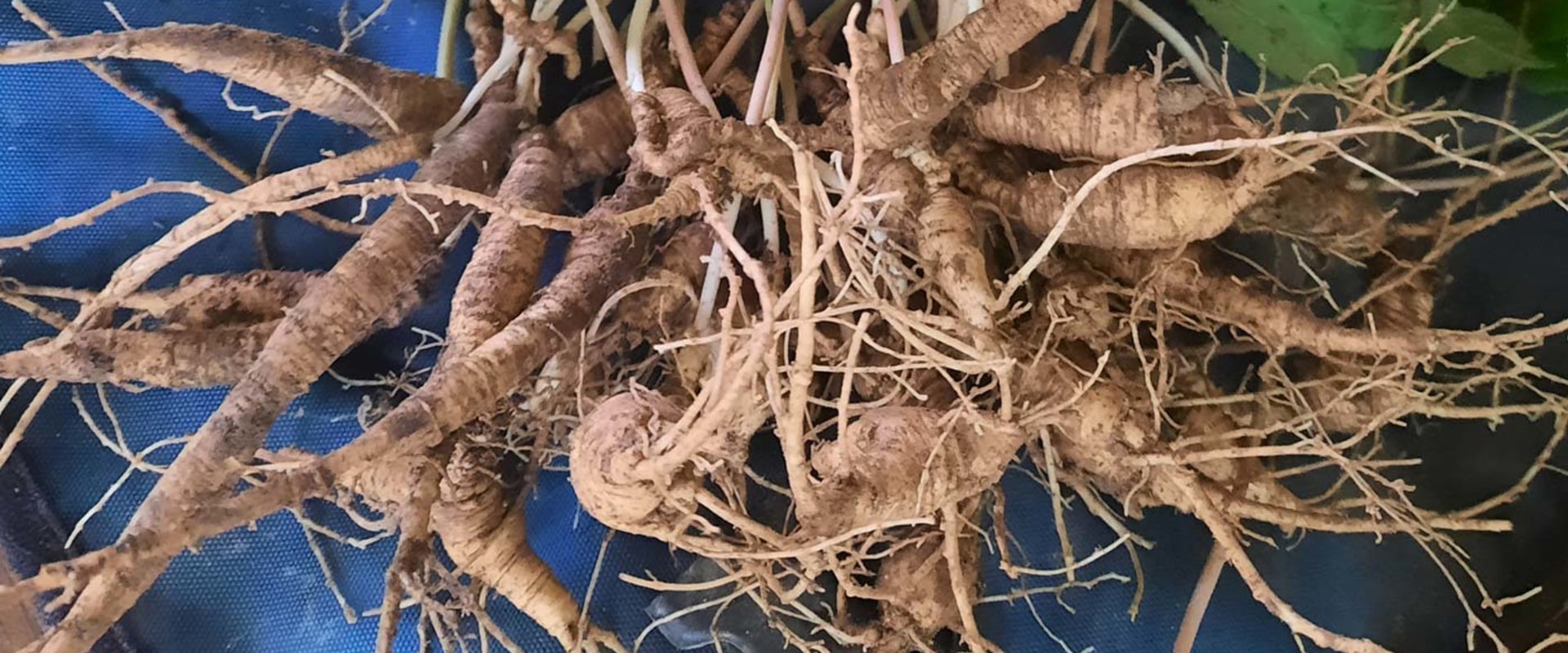
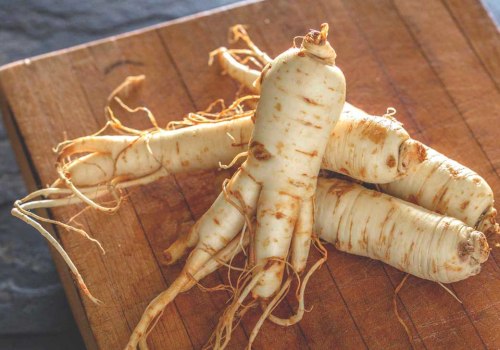
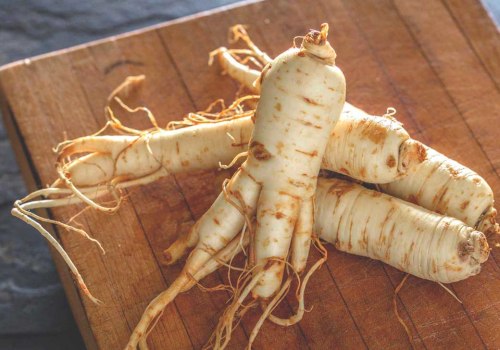
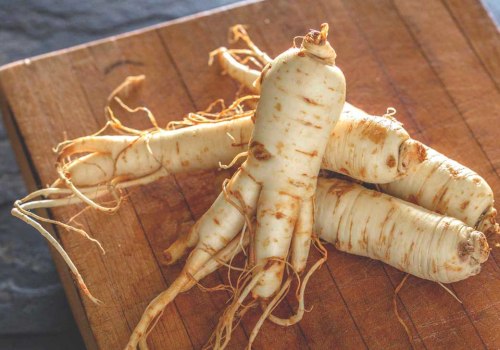
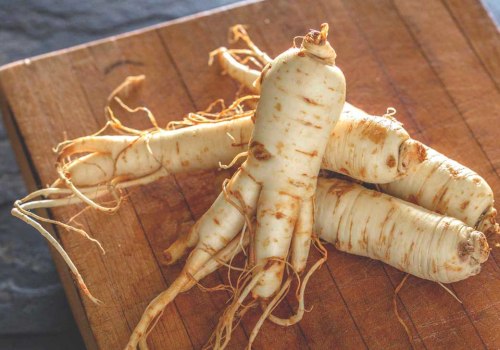
American ginseng, scientifically known as Panax quinquefolius, is a perennial herb native to the forests of North America. This remarkable plant has garnered attention not only for its unique appearance—characterized by a light tan root with fibrous buds resembling the human form—but also for its extensive history and traditional uses. For centuries, Native American tribes have revered American ginseng for its medicinal properties, employing it as a natural remedy for various ailments, including headaches, fever, and even infertility. Its significance in traditional medicine has paved the way for its modern-day popularity as a dietary supplement. The uses of American ginseng extend beyond mere folklore; contemporary research has begun to validate many of the claims made by indigenous cultures.
Today, it is commonly consumed in various forms such as teas, powders, capsules, and extracts. Many people incorporate it into their diets with the hope of reaping its potential health benefits, which include enhanced cognitive function, improved energy levels, and better blood sugar regulation. However, understanding the full scope of American ginseng uses requires a closer examination of both its historical context and its modern applications. Historically, American ginseng was not only valued for its health benefits but also played a significant role in trade. The root was highly sought after by early European settlers and became an important export to Asia, where it was prized for its adaptogenic properties.
This rich history adds layers to our understanding of American ginseng's place in both cultural and economic contexts. As we delve deeper into the pros and cons of incorporating this herb into our diets, it is essential to appreciate its legacy and the wisdom passed down through generations regarding its use.
Health Benefits of American Ginseng
American ginseng, scientifically known as Panax quinquefolius, is renowned for its diverse health benefits, making it a popular choice among herbal enthusiasts. This herb has been traditionally used to enhance overall well-being, and modern research supports many of these claims.Energy Enhancement
One of the most celebrated benefits of American ginseng is its ability to boost energy levels. Unlike caffeine, which can lead to a quick spike followed by a crash, American ginseng provides a more balanced energy increase.
Studies have shown that it can help reduce fatigue and improve physical performance, making it an excellent option for those looking to enhance their stamina during workouts or daily activities.
Incorporating American ginseng into your diet may help you feel more energized throughout the day. It works by supporting the adrenal glands, which play a crucial role in managing stress and energy production. This adaptogenic property allows the body to better cope with physical and mental stressors.
Cognitive Benefits
Another significant advantage of American ginseng is its positive impact on cognitive function. Research indicates that this herb may enhance memory, attention, and overall mental clarity.
A study published in the journal Psychopharmacology found that participants who consumed American ginseng exhibited improved working memory performance compared to those who did not.
The cognitive benefits of American ginseng are attributed to its ability to increase blood flow to the brain and promote neuroprotection. This means that not only can it help sharpen your focus, but it may also protect against age-related cognitive decline.
Overall Well-Being
Beyond energy and cognitive enhancement, American ginseng contributes to overall health by supporting the immune system and promoting a sense of balance within the body. Its anti-inflammatory properties can help reduce inflammation, which is linked to various chronic diseases.
Moreover, American ginseng has been associated with improved mood and reduced symptoms of anxiety. By modulating stress hormones and enhancing resilience, it can foster a more positive outlook on life.
In summary, incorporating American ginseng into your diet can offer numerous health benefits, including increased energy levels, enhanced cognitive function, and improved overall well-being.
As with any supplement, it's essential to consult with a healthcare professional before starting any new regimen to ensure it aligns with your individual health needs.
How to Incorporate American Ginseng into Your Diet
Incorporating American ginseng into your diet can be both enjoyable and beneficial for your health. This versatile herb can be consumed in various forms, allowing you to choose the method that best fits your lifestyle and preferences. Here are some practical ways to include American ginseng in your daily meals and beverages:1.Ginseng Tea
One of the most popular ways to enjoy American ginseng is by brewing it as a tea. To make ginseng tea:- Ingredients: 1-2 grams of dried American ginseng root, 2 cups of water, honey or lemon (optional).
- Instructions:
- Slice the dried ginseng root into thin pieces to increase the surface area.
- Bring the water to a boil in a pot.
- Add the sliced ginseng and reduce the heat to let it simmer for about 20-30 minutes.
- Strain the tea into a cup and add honey or lemon for flavor if desired.
2.Ginseng Powder
If you prefer a more concentrated form, ginseng powder is a great option.You can easily add it to smoothies, oatmeal, or baked goods:
- Smoothies: Blend 1 teaspoon of ginseng powder with your favorite fruits, yogurt, and a splash of milk or juice for a nutritious breakfast.
- Oatmeal: Stir in 1/2 teaspoon of ginseng powder into your morning oatmeal along with nuts and fruits for added health benefits.
- Baked Goods: Incorporate ginseng powder into muffin or pancake batter for an energizing twist.
3.Capsules and Extracts
If you find it challenging to incorporate ginseng into your meals, consider taking it in capsule form or as an extract. These options provide a convenient way to reap the benefits without altering your diet significantly. Always follow the recommended dosage on the packaging or consult with a healthcare professional for guidance.4.Ginseng-infused Recipes
You can also experiment with recipes that highlight American ginseng:- Ginseng Chicken Soup: Add sliced ginseng root to chicken soup for an herbal boost.
- Stir-fries: Include ginseng slices in vegetable stir-fries for added flavor and health benefits.
American Ginseng in Traditional Medicine
American ginseng, or Panax quinquefolius, has a rich history rooted in the traditional practices of Native American tribes. For centuries, this herb has been revered not only for its medicinal properties but also for its cultural significance.Native Americans utilized American ginseng as a vital component of their herbal medicine, employing it to address a variety of health concerns. Among the traditional uses of American ginseng, one of the most notable is its role as a natural stimulant. Indigenous peoples often consumed the root to enhance energy levels and combat fatigue, particularly during long hunting trips or arduous tasks. This use aligns with modern findings that suggest American ginseng may help improve physical performance and reduce feelings of tiredness. In addition to its energizing effects, American ginseng was also employed to treat ailments such as headaches, digestive issues, and respiratory conditions. The root was often brewed into teas or tinctures, allowing for easy consumption and absorption of its beneficial compounds.
The versatility of American ginseng in herbal medicine is evident in its ability to address both physical and mental health concerns.
Cultural Significance
The cultural significance of American ginseng extends beyond its medicinal uses. It is often regarded as a symbol of health and vitality among Native American communities. The harvesting of ginseng is steeped in tradition, with rituals and practices that honor the plant's sacred nature. This respect for the herb is reflected in sustainable harvesting methods that aim to preserve wild populations and ensure the plant's longevity.
Furthermore, American ginseng has played a role in trade between Native Americans and European settlers.
Its popularity quickly spread beyond indigenous communities, leading to increased demand and cultivation efforts. This historical context highlights the importance of American ginseng not only as a medicinal herb but also as a cultural artifact that bridges different communities. Today, the legacy of American ginseng continues in modern herbal medicine practices. As more people seek natural remedies for their health issues, the traditional knowledge surrounding this herb remains invaluable. By understanding its historical uses and cultural significance, individuals can appreciate the depth of wisdom that accompanies American ginseng and consider incorporating it into their own wellness routines.
Sustainability and Harvesting Practices
The sustainability of American ginseng is a critical concern, especially given its increasing popularity in herbal medicine and dietary supplements.As demand rises, so does the risk of overharvesting, which can threaten wild populations of this valuable plant. To ensure that American ginseng remains available for future generations, it is essential to adopt sustainable harvesting practices.
Sustainable Harvesting Practices
- Selective Harvesting: Instead of uprooting entire plants, sustainable practices advocate for selective harvesting. This involves taking only mature roots while leaving younger plants to grow and reproduce. This method helps maintain the population and ensures that ginseng can continue to thrive in its natural habitat.
- Timing of Harvest: The timing of the harvest is also crucial.
Ginseng should ideally be harvested in the fall when the plant has fully matured and the leaves have died back. This allows the plant to store energy in its roots for future growth.
- Soil Health: Maintaining soil health is vital for sustainable ginseng cultivation. Practices such as crop rotation and organic fertilization can enhance soil quality, promoting healthier plants and better yields.
Growing American Ginseng
For those interested in cultivating American ginseng, understanding its specific growing conditions is essential. Ginseng thrives in shaded areas with rich, well-drained soil.
It typically grows in deciduous forests, where it benefits from the natural leaf litter that provides nutrients. Cultivators should consider:
- Site Selection: Choose a location that mimics the natural habitat of ginseng, ensuring adequate shade and moisture.
- Seed Source: Use seeds from reputable sources to avoid introducing diseases or pests into your cultivation area.
- Pest Management: Implement integrated pest management strategies to protect your crop without harming the environment.
Regulations on Wild Ginseng Harvesting
To protect wild populations of American ginseng, various regulations have been established at both state and federal levels. These regulations often include:
- Licensing Requirements: Many states require individuals to obtain a license before harvesting wild ginseng. This helps regulate the number of harvesters and monitor the health of wild populations.
- Harvest Quotas: Some regions impose quotas on how much ginseng can be harvested each year to prevent overexploitation.
- Seasonal Restrictions: Harvesting is often restricted to specific seasons to allow plants time to regenerate and reproduce.
The balance between utilization and conservation is key to preserving this remarkable herb's legacy.
Frequently Asked Questions about American Ginseng
As interest in American ginseng continues to grow, many individuals have questions regarding its safety, appropriate dosage, and who should avoid it. Below are some frequently asked questions that can help clarify these concerns.Is American ginseng safe?
Generally, American ginseng is considered safe for most people when consumed in moderation. However, like any herbal supplement, it can cause side effects in some individuals. Common side effects may include:- Insomnia
- Headaches
- Digestive issues
- Agitation or nervousness
- Heart palpitations
Can you take too much ginseng?
Yes, it is possible to consume too much ginseng, which can lead to adverse effects.The recommended dosage varies depending on the form of ginseng being used:
- Raw root: 1-2 grams per day
- Pills or capsules: 200-400 mg per day
- Tinctures: 1-2 ml per day
Who should not take ginseng?
Certain individuals should exercise caution or avoid American ginseng. These include:- Pregnant or breastfeeding women: The effects of ginseng on pregnancy and lactation are not well-studied.
- Individuals with hormone-sensitive conditions: Those with a history of breast cancer or other hormone-related issues should avoid ginseng due to its potential estrogenic effects.
- People on anticoagulant medications: Ginseng may interact with blood thinners like warfarin, potentially reducing their effectiveness.
- Individuals with autoimmune diseases: Ginseng may stimulate the immune system, which could exacerbate conditions like lupus or multiple sclerosis.
Conclusion: Weighing the Pros and Cons of American Ginseng
In conclusion, the decision to incorporate American ginseng into your diet is one that requires careful consideration of both its potential benefits and risks. As we have explored, this herb has a rich history of use among Native Americans and has gained recognition in modern herbal medicine for its various health-promoting properties.Benefits of American Ginseng:
- Enhanced Cognitive Function: Research indicates that American ginseng may improve cognitive performance, particularly in working memory tasks.
- Blood Sugar Regulation: For individuals with type 2 diabetes, American ginseng has shown promise in managing postprandial blood sugar levels, making it a potential ally in diabetes management.
- Stress Reduction: The adaptogenic properties of American ginseng may help the body cope with stress, promoting overall well-being.
- Immune Support: Some studies suggest that American ginseng can bolster the immune system, potentially reducing the incidence of colds and infections.
Risks and Considerations:
- Side Effects: While generally safe for most people, excessive consumption can lead to side effects such as insomnia, headaches, and gastrointestinal issues.
- Drug Interactions: American ginseng may interact with certain medications, particularly those affecting blood sugar levels and psychiatric conditions.
It is crucial to consult a healthcare provider before starting any new supplement.
- Hormonal Concerns: Women with a history of hormone-sensitive conditions should exercise caution, as ginseng may influence hormone levels.