The Truth About American Ginseng: Uses, Benefits, and Effects on the Body
Discover the truth about American ginseng, its uses, benefits, and effects on the body. Learn how it can enhance your health and well-being.

American ginseng, scientifically known as Panax quinquefolius, is a perennial herb native to the forests of North America. This remarkable plant has been revered for centuries, not only for its unique flavor but also for its extensive medicinal properties. Historically, Native American tribes utilized American ginseng for its health benefits, often incorporating it into their traditional healing practices. Today, it remains a cornerstone in herbal medicine, celebrated for its potential to enhance overall well-being. The popularity of American ginseng has surged in recent years, driven by a growing interest in natural remedies and holistic health approaches.
Many people are turning to this herb as a means to boost energy levels, improve cognitive function, and support immune health. Its adaptogenic properties—meaning it helps the body adapt to stress—make it particularly appealing in our fast-paced modern world. As more individuals seek alternatives to conventional medicine, understanding the uses of American ginseng becomes increasingly important. In addition to its historical significance and contemporary applications, the benefits of American ginseng extend beyond mere anecdotal evidence. Scientific research has begun to uncover the mechanisms behind its effects on the body, revealing how it may influence various physiological processes.
From regulating blood sugar levels to enhancing mental clarity, American ginseng offers a plethora of potential advantages that warrant further exploration. As we delve deeper into this article, we will uncover the myriad ways in which this powerful herb can positively impact health and wellness.
What is American Ginseng?
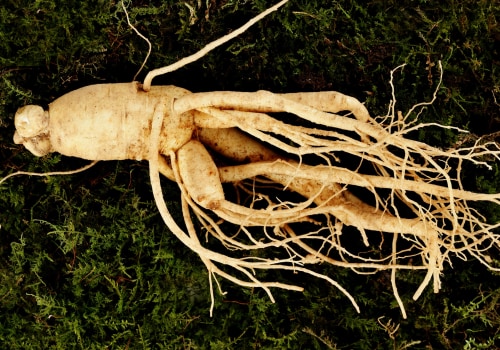
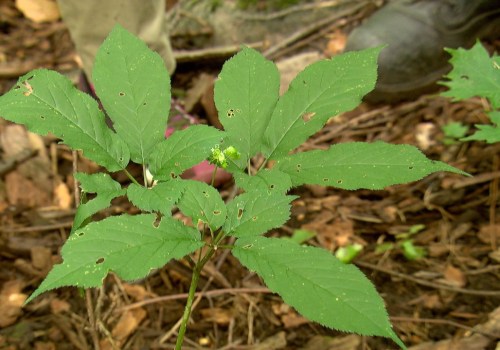
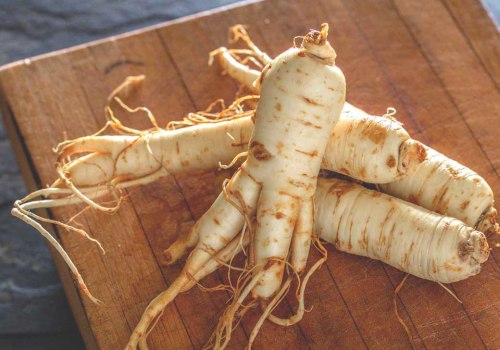
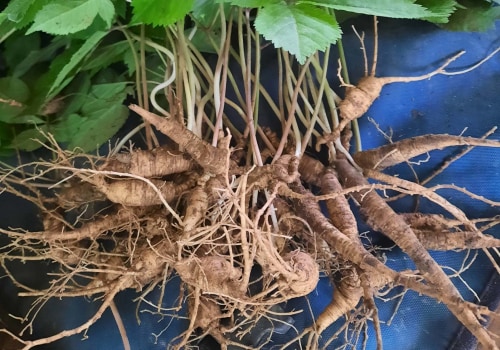
American ginseng, scientifically known as Panax quinquefolius, is a perennial herb native to North America, particularly found in the eastern regions of the United States and Canada. This plant is part of the Araliaceae family, which also includes other ginseng varieties. American ginseng is characterized by its fleshy roots, which are often harvested for their medicinal properties.The roots are typically harvested when the plant is at least four years old, as this is when they are believed to contain the highest concentration of beneficial compounds. There are several types of ginseng, but the two most commonly discussed are American ginseng and Asian ginseng, known scientifically as Panax ginseng. While both belong to the same genus, they exhibit distinct differences in their chemical composition, effects on the body, and traditional uses.
Differences Between American and Asian Ginseng
One of the primary differences between American and Asian ginseng lies in their active compounds. American ginseng is rich in ginsenosides, particularly Rb1 and Rg1, which are believed to have calming effects on the body. This makes American ginseng particularly popular for those seeking stress relief and improved cognitive function without the stimulating effects often associated with other forms of ginseng. In contrast, Asian ginseng contains a different profile of ginsenosides that tend to have more stimulating properties.This can lead to increased energy levels and enhanced physical performance, making it a preferred choice for individuals looking for an energy boost or improved athletic performance. Another notable difference is their traditional uses. In herbal medicine, American ginseng is often recommended for its adaptogenic properties, helping the body adapt to stress and promoting overall well-being. It is also frequently used to support immune function and regulate blood sugar levels. On the other hand, Asian ginseng has been traditionally used to enhance stamina, improve sexual function, and combat fatigue. In summary, while both American and Asian ginseng share some similarities as members of the same family, their unique properties and effects make them suitable for different health needs.
Understanding these differences can help individuals choose the right type of ginseng based on their specific health goals.
Traditional Uses of American Ginseng
American ginseng, known scientifically as Panax quinquefolius, has a rich history rooted in traditional medicine practices among various cultures, particularly among Native American tribes and in Chinese herbal medicine. Its use dates back centuries, where it was revered not only for its health benefits but also for its cultural significance. In Native American culture, American ginseng was often utilized for its restorative properties. Tribes such as the Cherokee and the Iroquois recognized its potential to enhance vitality and overall well-being. They would prepare ginseng in various forms, including teas and tinctures, to treat ailments ranging from digestive issues to respiratory problems.The plant was also considered a valuable trade item, symbolizing health and prosperity. In traditional Chinese medicine (TCM), American ginseng is classified as a cooling herb, contrasting with its Asian counterpart, which is viewed as warming. This distinction is crucial as it influences how each type of ginseng is used therapeutically. American ginseng is often prescribed to nourish the yin, enhance energy levels without overstimulation, and support the immune system. Practitioners of TCM have long believed that it can help balance the body's energy (or qi), making it a popular choice for those experiencing fatigue or stress. The cultural significance of American ginseng extends beyond its medicinal uses.
It has been celebrated in folklore and traditional rituals, often associated with longevity and vitality. The harvesting of wild ginseng has historically been a communal activity, fostering connections among community members and reinforcing cultural traditions. Today, the legacy of American ginseng continues as it finds its place in modern herbal medicine. While scientific research is still catching up to traditional knowledge, many people turn to this herb for its potential health benefits, including improved cognitive function and blood sugar regulation. As interest in natural remedies grows, understanding the historical context of American ginseng enriches our appreciation for this remarkable plant.
Health Benefits of American Ginseng
American ginseng (Panax quinquefolius) has garnered attention for its potential health benefits, supported by various scientific studies.This herb is not only revered in traditional medicine but is also being increasingly recognized in modern health discussions.
Blood Sugar Regulation
One of the most significant health benefits of American ginseng is its ability to help regulate blood sugar levels. Research indicates that American ginseng can lower fasting blood glucose levels and improve insulin sensitivity, making it particularly beneficial for individuals with type 2 diabetes. A study published in the Journal of Diabetes Research found that participants who consumed American ginseng before a high-sugar meal experienced a smaller spike in blood glucose compared to those who did not. This suggests that incorporating American ginseng into the diet may aid in managing blood sugar levels effectively.Cognitive Function Enhancement
Another area where American ginseng shows promise is in enhancing cognitive function.Some studies suggest that this herb may improve memory, attention, and overall mental performance. A clinical trial published in the Journal of Psychopharmacology demonstrated that participants who took American ginseng exhibited improved cognitive flexibility and working memory. These findings indicate that American ginseng could be a valuable supplement for those looking to boost their mental acuity.
Immune System Support
American ginseng is also known for its immune-boosting properties. It contains compounds called ginsenosides, which have been shown to enhance the immune response.A study in the International Journal of Molecular Sciences highlighted that American ginseng extract could stimulate the production of immune cells, thereby helping the body fend off infections and illnesses more effectively. Regular consumption may lead to a more robust immune system, particularly during cold and flu seasons.
Stress Reduction and Adaptogenic Properties
This herb is classified as an adaptogen, meaning it helps the body adapt to stress and promotes overall balance. Research has indicated that American ginseng can reduce cortisol levels, a hormone associated with stress. A study published in Phytotherapy Research found that participants who took American ginseng reported lower levels of stress and anxiety compared to those who did not.This makes it a potential natural remedy for individuals seeking to manage stress more effectively. In summary, the health benefits of American ginseng are supported by a growing body of research. From regulating blood sugar levels and enhancing cognitive function to supporting immune health and reducing stress, this versatile herb offers a range of potential advantages for overall well-being.
How Does American Ginseng Affect the Body?
American ginseng, scientifically known as Panax quinquefolius, has been widely studied for its various physiological effects on the body. Understanding how this herb works can provide insights into its potential benefits and applications in health and wellness. One of the primary ways American ginseng affects the body is through its active compounds known as ginsenosides. These saponins are believed to play a crucial role in modulating various biological processes.Research indicates that ginsenosides can influence the central nervous system, leading to enhanced cognitive function and improved mood. This effect is particularly beneficial for individuals experiencing fatigue or stress, as it may help to elevate energy levels and promote mental clarity. Moreover, American ginseng has been shown to have a significant impact on metabolism. Studies suggest that it can enhance insulin sensitivity, which is vital for maintaining healthy blood sugar levels. By improving the body's response to insulin, American ginseng may help regulate glucose metabolism, making it a valuable supplement for those managing type 2 diabetes.
In fact, some research indicates that consuming American ginseng before meals can lead to lower postprandial blood sugar levels. In addition to its metabolic benefits, American ginseng is also recognized for its adaptogenic properties. Adaptogens are substances that help the body adapt to stressors and maintain homeostasis. By modulating the release of stress hormones like cortisol, American ginseng can help reduce feelings of anxiety and promote a sense of calm. This is particularly important in today’s fast-paced world, where chronic stress can lead to various health issues. Furthermore, American ginseng may enhance immune function.
Some studies have shown that it can stimulate the production of immune cells, thereby improving the body’s ability to fend off infections and illnesses. This immune-boosting effect is attributed to the herb's antioxidant properties, which help combat oxidative stress and inflammation. In summary, American ginseng exerts its effects on the body through a combination of mechanisms involving ginsenosides, metabolic regulation, stress adaptation, and immune enhancement. As research continues to unfold, it becomes increasingly clear that this herb holds promise for supporting overall health and well-being when used appropriately.
Dosage and Consumption Guidelines
When considering the incorporation of American ginseng into your wellness routine, understanding the appropriate dosage and consumption methods is crucial for maximizing its benefits while minimizing potential risks. Below are detailed guidelines on how to effectively take American ginseng.Recommended Dosages
The optimal dosage of American ginseng can vary based on individual health needs, age, and the specific form of ginseng being used.However, general recommendations suggest:
- Powdered Root: A typical dosage ranges from 1 to 2 grams per day.
- Capsules: Most supplements recommend a daily intake of 200 to 400 mg, taken in divided doses.
- Tinctures: If using a tincture, a common recommendation is 1 to 2 ml, taken two to three times daily.
- Tea: For those who prefer tea, steeping 1 to 2 grams of dried root in hot water for about 10 minutes is advisable.
How to Take American Ginseng
American ginseng can be consumed in various forms, each offering unique advantages:- Tea: This is one of the most traditional methods. Brewed tea allows for easy digestion and absorption. It can be enjoyed hot or cold and can be sweetened with honey for added flavor.
- Capsules/Tablets: These are convenient for those on-the-go. Ensure you choose a reputable brand that provides clear dosage instructions on the label.
- Tinctures: These liquid extracts are potent and can be mixed with water or juice.
They offer a quick absorption rate but should be used with caution due to their concentrated nature.
- Dried Root: The whole root can be chewed or added to soups and stews, providing a more natural approach to consumption.
Safety Considerations
While American ginseng is generally considered safe for short-term use, there are important safety considerations to keep in mind:- Avoid Overuse: Prolonged use beyond three months may lead to adverse effects such as insomnia or digestive issues.
- Consult Healthcare Providers: If you are pregnant, nursing, or taking medications (especially anticoagulants or antidepressants), consult your healthcare provider before starting American ginseng.
- Monitor for Side Effects: Some individuals may experience side effects like headaches, gastrointestinal discomfort, or allergic reactions. If any adverse effects occur, discontinue use immediately and consult a healthcare professional.
Potential Side Effects and Interactions
While American ginseng is widely recognized for its potential health benefits, it is essential to be aware of the side effects and possible interactions with medications that may arise from its use. Understanding these factors can help ensure safe consumption and maximize the herb's positive effects.Common Side Effects
- Insomnia: One of the most frequently reported side effects of American ginseng is insomnia.
Due to its stimulating properties, taking ginseng too late in the day can disrupt sleep patterns, leading to difficulty falling or staying asleep.
- Headaches: Some users may experience headaches as a result of ginseng consumption. This could be due to its stimulating effects or individual sensitivity to the herb.
- Gastrointestinal Issues: American ginseng can cause digestive discomfort in some individuals, including symptoms like nausea, diarrhea, or upset stomach.
- Allergic Reactions: Although rare, allergic reactions to ginseng can occur. Symptoms may include rash, itching, or swelling, particularly if you have a known allergy to plants in the Araliaceae family.
Interactions with Medications
American ginseng may interact with various medications, which can lead to adverse effects or reduced efficacy of treatments. Here are some notable interactions:
- Anticoagulants: Ginseng has been shown to potentially decrease the effectiveness of anticoagulant medications such as warfarin.
This interaction could increase the risk of blood clots if not monitored closely.
- Diabetes Medications: While American ginseng may help lower blood sugar levels, it can also enhance the effects of diabetes medications. This could lead to hypoglycemia (low blood sugar), necessitating careful monitoring and dosage adjustments.
- Caffeine and Stimulants: Combining ginseng with other stimulants, such as caffeine, may amplify side effects like increased heart rate and anxiety. It is advisable to limit intake of stimulants when using ginseng.
Safety Concerns
The general consensus among health professionals is that American ginseng is safe for short-term use, typically up to 12 weeks. However, prolonged use can lead to tolerance and potential side effects.
It is crucial for individuals considering ginseng supplementation to consult with a healthcare provider, especially if they are pregnant, nursing, or have underlying health conditions. In summary, while American ginseng offers numerous potential benefits, being informed about its side effects and interactions with medications is vital for safe consumption. Always consult a healthcare professional before starting any new supplement regimen to ensure it aligns with your health needs and medication plan.
FAQs About American Ginseng
American ginseng, known for its potential health benefits, often raises several questions among users. Here, we address some of the most frequently asked questions to provide clarity and enhance understanding of this popular herb.Is American ginseng safe to take at night?
The safety of consuming American ginseng at night can vary from person to person. While some individuals may find it beneficial for relaxation and sleep, others might experience increased energy levels that could interfere with their ability to fall asleep.This is primarily due to the stimulating properties of ginseng, which can enhance alertness. Therefore, if you are sensitive to stimulants or have experienced sleep disturbances after taking ginseng, it is advisable to avoid using it in the evening. Instead, consider taking it earlier in the day to maximize its benefits without compromising your sleep quality.
Can you take American ginseng with other supplements?
Combining American ginseng with other supplements can be beneficial, but caution is necessary. It is essential to consider the potential interactions between ginseng and other herbal products or dietary supplements.For instance, taking American ginseng alongside supplements that also have stimulating effects—such as caffeine or certain energy-boosting herbs—may lead to heightened stimulation and increased heart rate. Additionally, if you are on medications for conditions like diabetes or blood pressure, consult a healthcare professional before combining ginseng with other supplements to avoid adverse effects.
What are some common misconceptions about American ginseng?
- Myth: All types of ginseng are the same.
- Fact: There are different types of ginseng, including American and Asian (Korean) ginseng, each with unique properties and effects on the body.
- Myth: Ginseng is a cure-all herb.
- Fact: While American ginseng has potential health benefits, it is not a substitute for medical treatment and should be used as part of a balanced approach to health.
Conclusion: The Value of American Ginseng in Modern Health Practices
In summary, American ginseng has emerged as a significant herbal remedy within modern health practices, offering a range of potential benefits that can enhance overall well-being. Its uses span from improving cognitive function to aiding in blood sugar regulation, making it a versatile addition to many health regimens. However, it is crucial to approach the use of American ginseng with a balanced perspective.While the herb is generally considered safe for short-term use, understanding the precautions associated with its consumption is equally important. For instance, individuals should be cautious about taking ginseng close to bedtime due to its stimulating properties, which can disrupt sleep patterns. Moreover, the potential interactions between American ginseng and various medications cannot be overlooked. Those on anticoagulants or antidepressants should consult healthcare professionals before incorporating ginseng into their routine. This ensures that any risks are mitigated and that the herb can be used safely and effectively. As research continues to evolve, it is essential for consumers to stay informed about the latest findings regarding American ginseng.
While current studies suggest promising health benefits, more rigorous clinical trials are needed to fully understand its effects and establish optimal dosages. In conclusion, American ginseng holds a valuable place in the realm of herbal medicine. By recognizing both its potential advantages and necessary precautions, individuals can make informed decisions about its use. Whether seeking to boost energy levels, enhance cognitive performance, or manage blood sugar levels, American ginseng may serve as a beneficial ally in achieving health goals when used responsibly.