The Best Time to Take Ginseng: Morning or Night? An Expert's Guide to American Ginseng Uses
Discover the optimal time to take American ginseng for maximum benefits. Learn about its uses, effects, and health advantages.

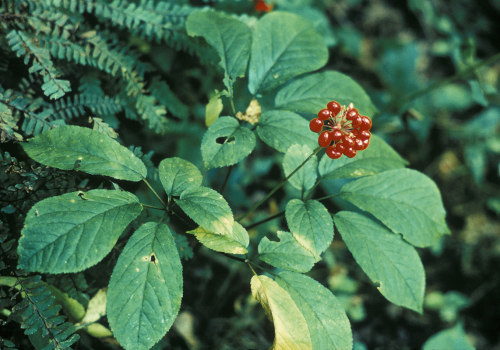
Ginseng, a revered herb in traditional medicine, has captivated the interest of health enthusiasts and researchers alike for centuries. This remarkable plant, particularly American ginseng (Panax quinquefolius), is native to North America and has been utilized for its potential health benefits by Indigenous peoples long before it gained popularity in Western herbal practices. Its historical significance is profound, as it was often regarded as a symbol of vitality and longevity, believed to enhance overall well-being and energy levels. The uses of ginseng are diverse, ranging from boosting energy and enhancing cognitive function to supporting immune health and reducing stress. American ginseng , in particular, is known for its adaptogenic properties, which help the body adapt to stressors and promote balance.
This makes it an appealing choice for those seeking natural remedies to combat fatigue or improve mental clarity. Additionally, studies have suggested that American ginseng may play a role in regulating blood sugar levels, making it a valuable supplement for individuals managing diabetes. As we delve deeper into the world of ginseng, it’s essential to understand not only its myriad benefits but also the optimal times for consumption. The timing of ginseng intake can significantly influence its effects on the body. Whether you’re considering incorporating this powerful herb into your daily routine or simply curious about its potential advantages, understanding its historical context and practical applications will provide a solid foundation for making informed decisions about your health.
The Different Types of Ginseng
Ginseng is a term that encompasses several species of plants, each with its own unique properties and benefits.The two most commonly discussed varieties are American ginseng (Panax quinquefolius) and Asian ginseng (Panax ginseng). Understanding the differences between these types is essential for anyone looking to incorporate ginseng into their health regimen.
American Ginseng
Native to North America, particularly in the eastern United States and Canada, American ginseng is known for its milder effects compared to its Asian counterpart. It is often characterized by its sweet, earthy flavor and is commonly used in teas and supplements. The primary active compounds in American ginseng are called ginsenosides, which are believed to contribute to its adaptogenic properties—helping the body manage stress and maintain balance.
American ginseng is particularly noted for its potential benefits in regulating blood sugar levels, making it a popular choice among individuals with diabetes.
Research suggests that it may help improve insulin sensitivity and lower blood sugar levels after meals. Additionally, it is often recommended for enhancing cognitive function, promoting relaxation, and improving overall well-being.
Asian Ginseng
In contrast, Asian ginseng, also known as Korean ginseng or red ginseng, is primarily cultivated in Korea and China. This variety is often considered more potent and stimulating than American ginseng. The roots of Asian ginseng are typically steamed and dried, which enhances their medicinal properties.
In contrast, Asian ginseng, also known as Korean ginseng or red ginseng, is primarily cultivated in Korea and China. This variety is often considered more potent and stimulating than American ginseng. The roots of Asian ginseng are typically steamed and dried, which enhances their medicinal properties.
The ginsenosides found in Asian ginseng are different from those in American ginseng, leading to varied effects on the body.
Asian ginseng is frequently used to boost energy levels, enhance physical performance, and improve mental clarity. It is also thought to have immune-boosting properties and may help combat fatigue. However, due to its stimulating nature, it may not be suitable for everyone, especially those sensitive to stimulants or experiencing insomnia.
Comparative Overview
- Origin: American ginseng is native to North America; Asian ginseng originates from Asia.
- Effects: American ginseng tends to have a calming effect; Asian ginseng is more stimulating.
- Uses: American ginseng is often used for blood sugar regulation and stress relief; Asian ginseng is favored for energy enhancement and immune support.
- Taste: American ginseng has a sweeter flavor; Asian ginseng has a more robust taste.
Consulting with a healthcare professional can also provide personalized guidance on which variety may be best suited for your individual circumstances.
Health Benefits of American Ginseng
American ginseng, scientifically known as Panax quinquefolius, is renowned for its diverse health benefits, making it a popular choice among herbal enthusiasts. This adaptogenic herb has been utilized for centuries, particularly in traditional medicine, to enhance overall wellness and vitality. One of the most notable benefits of American ginseng is its ability to boost energy levels. Unlike caffeine, which can lead to a quick spike followed by a crash, ginseng provides a more balanced and sustained energy increase. This makes it an excellent option for individuals seeking to improve their stamina and reduce fatigue.Studies have shown that regular consumption of American ginseng can enhance physical performance and mental clarity, making it a favored supplement among athletes and busy professionals alike.
Ginseng for Diabetes Management
Another significant aspect of American ginseng is its potential role in managing blood sugar levels, particularly for those with diabetes. Research indicates that American ginseng may help lower blood glucose levels by improving insulin sensitivity and enhancing glucose metabolism. This is particularly beneficial for individuals with type 2 diabetes, as maintaining stable blood sugar levels is crucial for overall health. In clinical studies, participants who consumed American ginseng before meals experienced lower postprandial (after eating) blood sugar levels compared to those who did not. This suggests that incorporating American ginseng into a balanced diet may aid in better glycemic control.Overall Wellness
Beyond energy enhancement and blood sugar regulation, American ginseng offers a plethora of other health benefits.It is known to support immune function, helping the body fend off illnesses and infections. Additionally, its antioxidant properties combat oxidative stress, which can lead to chronic diseases. Moreover, American ginseng has been linked to improved cognitive function. Some studies suggest that it may enhance memory and concentration, making it a valuable ally for students and professionals who require mental acuity. In summary, the health benefits of American ginseng are extensive and varied. From boosting energy levels to aiding in diabetes management and promoting overall wellness, this remarkable herb can be a beneficial addition to your health regimen.
However, as with any supplement, it is advisable to consult with a healthcare professional before starting any new treatment plan.
The Best Time to Take Ginseng: Morning or Night?
When considering the optimal time to take ginseng, it’s essential to weigh the benefits and drawbacks of morning versus night consumption. Each time of day offers unique advantages that can influence how effectively ginseng works for you.Morning Consumption
- Energy Boost: Taking ginseng in the morning can provide a natural energy boost, helping you feel more alert and focused throughout the day. This is particularly beneficial for those who struggle with fatigue or need an extra push to start their day.
- Enhanced Cognitive Function: Research suggests that ginseng may improve cognitive performance, including memory and concentration. Consuming it in the morning can set a positive tone for mental clarity and productivity.
-
Metabolism Support: Ginseng has been linked to improved metabolic function, which can be advantageous if taken before meals.
This timing may enhance nutrient absorption and support weight management efforts.
Night Consumption
- Relaxation Benefits: Some individuals find that taking ginseng in the evening helps them unwind after a long day. While ginseng is generally considered a stimulant, certain formulations, particularly American ginseng, may have calming effects that promote relaxation.
- Sleep Quality: For those who experience sleep disturbances, taking ginseng at night might help regulate sleep patterns. However, this is highly individual; some may find it disrupts their sleep instead.
- Post-Workout Recovery: If you engage in evening workouts, consuming ginseng afterward may aid in recovery by reducing muscle fatigue and enhancing endurance.
Dosage Timing Considerations
The timing of your ginseng dosage can also play a crucial role in its effectiveness. For optimal results, consider the following:
- Split Doses: If you choose to take ginseng during the day, splitting your dosage into two or three smaller servings can help maintain consistent energy levels without overwhelming your system.
-
Avoid Late Doses: Regardless of when you take ginseng, avoid consuming it too close to bedtime.
Its stimulating properties can interfere with your ability to fall asleep.
How to Incorporate Ginseng into Your Daily Routine
Incorporating ginseng into your daily routine can be both simple and rewarding, as this powerful herb offers a variety of health benefits. Whether you prefer to consume it in the form of tea, capsules, or extracts, there are numerous ways to enjoy ginseng and enhance your overall well-being.1.Ginseng Tea
One of the most popular methods of consuming ginseng is through tea. Making ginseng tea is straightforward:-
Choose Your Ginseng: You can use dried ginseng root or ginseng tea bags.
American ginseng is often recommended for its milder effects.
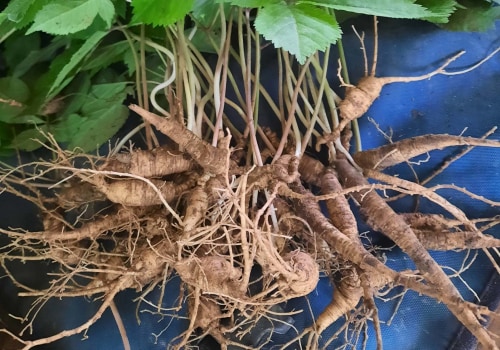
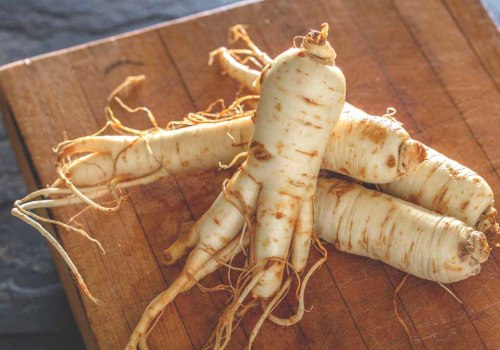
- Preparation: If using dried root, slice it thinly to increase the surface area. Use about 2-3 grams of dried ginseng per cup of water.
- Steep: Boil water and pour it over the ginseng. Let it steep for 10-15 minutes. For a stronger flavor, you can steep it longer.
-
Additions: Enhance the flavor by adding honey, lemon, or ginger.
These ingredients not only improve taste but also add their own health benefits.
2.Ginseng Capsules and Extracts
If you prefer a more convenient option, consider taking ginseng in capsule or extract form. Here’s how to incorporate these into your routine:- Capsules: Follow the dosage instructions on the label, typically ranging from 500 mg to 2 grams per day. Take them with meals for better absorption.
- Liquid Extracts: These are potent and can be taken directly or mixed with water or juice. A common dosage is 30 drops (1.5 ml) once daily.
3.Ginseng Recipes
You can also incorporate ginseng into various recipes for a delicious twist on your meals:- Smoothies: Add a teaspoon of ginseng powder to your favorite smoothie recipe for an energy boost.
- Soups and Broths: Include sliced ginseng root in soups or broths for added flavor and health benefits.
- Baked Goods: Mix ginseng powder into muffins or energy bars for a nutritious snack.
Remember to consult with a healthcare professional before starting any new supplement regimen, especially if you have underlying health conditions or are taking medications.
Potential Side Effects and Precautions
While ginseng is widely celebrated for its numerous health benefits, it is crucial to be aware of potential side effects and precautions associated with its use. Understanding these factors can help ensure that you incorporate ginseng safely into your wellness routine.Common Side Effects
Although many people tolerate ginseng well, some may experience side effects, particularly when taken in high doses or for extended periods. Common side effects include:- Insomnia: Due to its stimulating properties, ginseng can interfere with sleep patterns if taken too late in the day.
- Headaches: Some users report headaches, which may be linked to the herb's effects on blood circulation.
- Digestive Issues: Ginseng can cause gastrointestinal discomfort, including nausea or diarrhea, especially when consumed on an empty stomach.
- Nervousness or Restlessness: High doses may lead to feelings of anxiety or restlessness in some individuals.
- Allergic Reactions: Though rare, some people may experience allergic reactions, including skin rashes or itching.
Precautions When Using Ginseng
To minimize the risk of adverse effects, consider the following precautions:- Consult a Healthcare Provider: Before starting ginseng, especially if you have pre-existing health conditions or are taking medications, consult with a healthcare professional.
- Avoid High Doses: Stick to recommended dosages. For most people, 2 to 3 grams per day is sufficient.
-
Monitor Your Body's Response: Pay attention to how your body reacts after taking ginseng.
If you notice any adverse effects, discontinue use and consult a healthcare provider.
Who Should Avoid Ginseng?
Certain individuals should exercise caution or avoid ginseng altogether:- Pregnant or Nursing Women: The safety of ginseng during pregnancy and breastfeeding has not been well established.
- Individuals with Hormone-Sensitive Conditions: Ginseng may affect hormone levels; thus, those with conditions like breast cancer or prostate cancer should avoid it.
- People with High Blood Pressure: Ginseng can have varying effects on blood pressure; consult a doctor if you have hypertension.
- Diabetics: While American ginseng may help regulate blood sugar levels, it can also interact with diabetes medications. Monitor blood sugar closely if using ginseng.
Frequently Asked Questions About Ginseng
Ginseng has been a subject of fascination and inquiry for centuries, leading to numerous questions and misconceptions about its uses and effects. Below, we address some of the most frequently asked questions regarding this remarkable herb.What are the primary uses of ginseng?
Ginseng is renowned for its potential health benefits, which include:- Boosting energy levels: Many people take ginseng to combat fatigue and enhance physical performance.
- Improving cognitive function: Some studies suggest that ginseng may help improve memory, concentration, and overall mental clarity.
- Supporting immune function: Ginseng is believed to enhance the immune system, helping the body fend off illnesses.
- Regulating blood sugar: Particularly American ginseng has shown promise in helping manage blood sugar levels in individuals with type 2 diabetes.
Is it safe to take ginseng daily?
For most individuals, taking ginseng daily is considered safe when used appropriately.However, it is essential to adhere to recommended dosages and consult with a healthcare provider, especially if you have underlying health conditions or are taking other medications.
Can ginseng cause side effects?
While ginseng is generally well-tolerated, some users may experience mild side effects such as:- Insomnia or restlessness
- Headaches
- Digestive issues
Are there any myths about ginseng?
Several myths surround ginseng that can lead to confusion:- Myth 1: All ginseng is the same. This is false; there are different types of ginseng (e.g., American, Asian) with varying properties and effects.
- Myth 2: Ginseng can cure diseases. While it may support health, it should not be viewed as a cure for serious medical conditions.
- Myth 3: Ginseng is only for older adults. This herb can benefit individuals of all ages when used correctly.
Conclusion: Making the Most of Ginseng for Your Health
In summary, understanding the optimal timing and method of taking ginseng is crucial for maximizing its health benefits.As we have explored, ginseng, particularly American ginseng, offers a range of uses that can enhance your overall well-being. However, the timing of consumption plays a significant role in how effectively these benefits are realized. Taking ginseng in the morning is generally recommended due to its stimulating properties. This timing aligns well with the body's natural rhythms, allowing you to harness its energy-boosting effects throughout the day. For those who may be sensitive to stimulants or have trouble sleeping, avoiding ginseng in the evening is essential to prevent potential sleep disturbances. Moreover, it’s important to consider the form of ginseng you are using—whether it’s in tea, capsule, or extract form.
Each form may have different absorption rates and effects on the body. Following the recommended dosages is vital; typically, a daily intake of 2 to 3 grams is suggested for most adults. However, individual needs may vary based on health conditions and lifestyle factors. Additionally, consulting with a healthcare professional before starting any new supplement regimen is always wise, especially for individuals with pre-existing health conditions such as diabetes or hypertension. This ensures that you are making informed decisions tailored to your specific health needs. Incorporating ginseng into your daily routine can be a rewarding experience when done thoughtfully.
By understanding its properties and respecting its potency, you can enjoy the myriad benefits this ancient herb has to offer. Whether you choose to take it in the morning for an energy boost or at another time that suits your lifestyle, being mindful of how and when you consume ginseng will help you make the most of its potential. Ultimately, ginseng is more than just a supplement; it’s a part of a holistic approach to health that includes proper nutrition, regular exercise, and adequate rest. By integrating ginseng wisely into your life, you can support your body’s natural functions and enhance your vitality.