The Truth About American Ginseng: Understanding Its Risks and Benefits
Discover the risks and benefits of American Ginseng, its uses, and how it can impact your health. Learn more about this powerful herb.
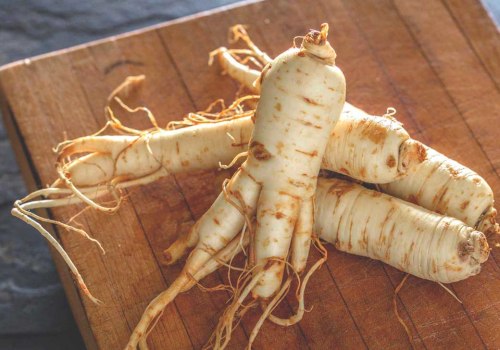
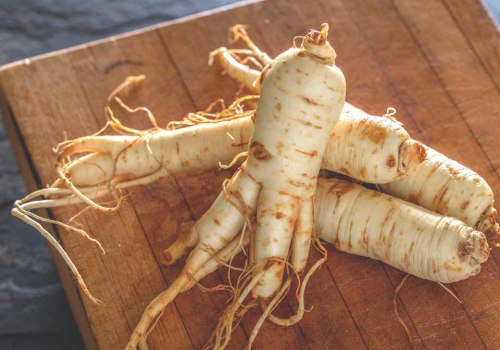
American Ginseng, scientifically known as Panax quinquefolius, has a rich history that dates back centuries, particularly among Native American tribes who revered it for its medicinal properties. This herb has been utilized not only as a natural remedy but also as a vital component of cultural practices and traditional medicine. Its roots have been sought after for their potential health benefits, leading to a surge in popularity in modern herbal medicine. In recent years, the interest in , has a rich history that dates back centuries, particularly among Native American tribes who revered it for its medicinal properties. This herb has been utilized not only as a natural remedy but also as a vital component of cultural practices and traditional medicine. Its roots have been sought after for their potential health benefits, leading to a surge in popularity in modern herbal medicine. In recent years, the interest in American ginseng uses has expanded significantly, with many people turning to this herb for its purported ability to enhance energy levels, boost the immune system, and improve overall well-being. The active compounds found in American Ginseng, known as ginsenosides, are believed to play a crucial role in these health benefits.
As more research emerges, the understanding of how American Ginseng can positively impact various health conditions continues to evolve. However, while the benefits of American Ginseng are widely discussed, it is equally important to consider the potential risks associated with its use. Not everyone may experience the same positive effects, and certain individuals may face adverse reactions or interactions with medications. This duality of benefits and risks makes it essential for consumers to approach American Ginseng with informed caution. As we delve deeper into the world of American Ginseng, we will explore its various uses, the scientific evidence supporting its benefits, and the potential risks that users should be aware of. Understanding this balance is key to harnessing the full potential of this remarkable herb while ensuring safety and efficacy in its application.
What is American Ginseng?
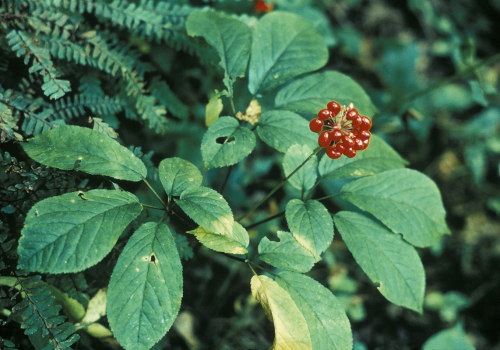
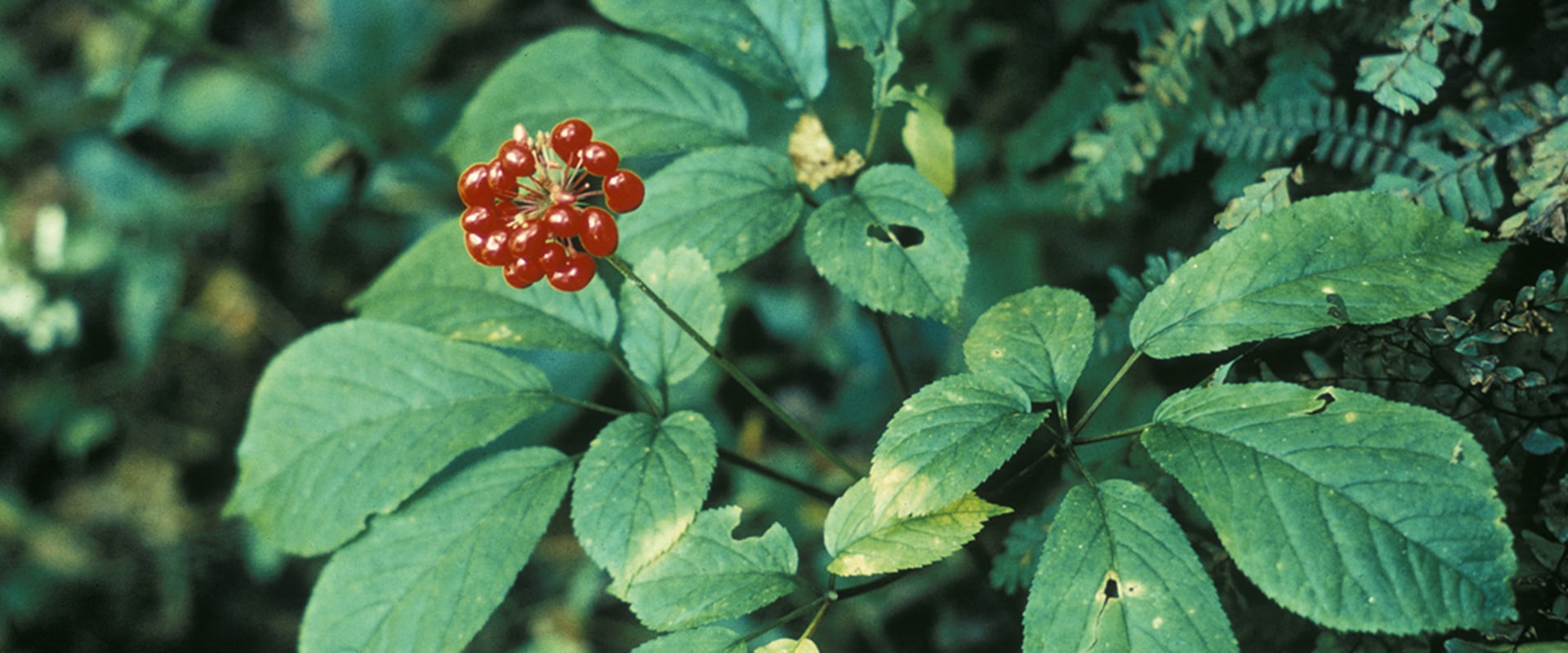
American Ginseng, scientifically known as Panax quinquefolius, is a perennial herb native to the deciduous forests of North America, particularly in regions like the eastern United States and parts of Canada.This plant is part of the Araliaceae family, which also includes other ginseng varieties such as Asian ginseng (Panax ginseng) and Siberian ginseng (Eleutherococcus senticosus). Understanding the unique characteristics of American Ginseng is essential for recognizing its distinct properties and uses. Botanically, American Ginseng can be identified by its compound leaves, which typically consist of five leaflets arranged in a whorled pattern. The plant can grow up to 30 centimeters tall and produces small, greenish-white flowers that bloom in the summer. These flowers eventually develop into bright red berries, which are not only visually striking but also serve as a food source for various wildlife. One of the primary differences between American Ginseng and its Asian counterpart lies in their chemical composition.
While both types contain ginsenosides—active compounds believed to contribute to their health benefits—American Ginseng is noted for having a higher concentration of certain ginsenosides that are thought to promote relaxation and stress relief. In contrast, Asian Ginseng is often associated with stimulating effects, making it more suitable for enhancing energy and cognitive function. Moreover, the cultivation methods for American Ginseng differ significantly from those used for Asian varieties. American Ginseng is often grown in shaded forest environments, mimicking its natural habitat, which can take several years to mature before it can be harvested. This slow growth process contributes to its reputation as a premium herbal remedy. In summary, American Ginseng is a unique herb with distinct botanical features and chemical properties that set it apart from other ginseng types. While both types contain ginsenosides—active compounds believed to contribute to their health benefits—American Ginseng is noted for having a higher concentration of certain ginsenosides that are thought to promote relaxation and stress relief. In contrast, Asian Ginseng is often associated with stimulating effects, making it more suitable for enhancing energy and cognitive function. Moreover, the cultivation methods for American Ginseng differ significantly from those used for Asian varieties. American Ginseng is often grown in shaded forest environments, mimicking its natural habitat, which can take several years to mature before it can be harvested. This slow growth process contributes to its reputation as a premium herbal remedy. In summary, American Ginseng is a unique herb with distinct botanical features and chemical properties that set it apart from other ginseng types.
Its origins in North America and specific cultivation practices further enhance its value in herbal medicine. Understanding these aspects is crucial for anyone interested in exploring the potential benefits and uses of this remarkable plant.
Traditional Uses of American Ginseng
American Ginseng, scientifically known as Panax quinquefolius, has a rich history that dates back centuries, particularly among Native American tribes and in traditional Chinese medicine. Its use has evolved over time, reflecting the cultural significance and medicinal properties attributed to this remarkable herb. Historically, Native Americans utilized American Ginseng for its various health benefits. They believed it could enhance vitality and energy levels, making it a popular choice for those recovering from illness or fatigue.The root was often prepared as a tea or tincture, allowing for easy consumption and absorption of its beneficial compounds. Additionally, it was used in rituals and ceremonies, symbolizing strength and endurance. In traditional Chinese medicine (TCM), American Ginseng is classified as a cooling herb, contrasting with its Asian counterpart, Korean Ginseng, which is considered warming. This distinction is crucial in TCM, where the balance of yin and yang is essential for health. American Ginseng is often prescribed to nourish the lungs, support the immune system, and improve overall energy levels without causing overheating or agitation. Among herbalists, American Ginseng is revered for its adaptogenic properties.
Adaptogens are substances that help the body adapt to stressors and promote homeostasis. This quality has made American Ginseng a staple in herbal medicine formulations aimed at enhancing mental clarity and physical endurance. It is commonly recommended for individuals facing chronic stress or those looking to boost their cognitive function. Furthermore, the traditional uses of American Ginseng extend to its role in digestive health. Many cultures have employed this herb to alleviate gastrointestinal issues such as bloating and indigestion.
Its soothing properties are believed to help regulate digestive functions and promote nutrient absorption. In summary, the traditional uses of American Ginseng are deeply rooted in both Native American practices and Asian herbal medicine. Its applications range from enhancing vitality and supporting immune function to promoting digestive health. As interest in herbal remedies continues to grow, understanding these historical contexts can provide valuable insights into the potential benefits of incorporating American Ginseng into modern wellness practices.
Health Benefits of American Ginseng
American Ginseng, scientifically known as Panax quinquefolius, has garnered attention for its potential health benefits, particularly in enhancing energy levels and supporting the immune system. This herb has been used for centuries in traditional medicine, and modern research is beginning to validate many of its claimed effects.Boosting Energy Levels
One of the most popular uses of American Ginseng is its ability to enhance energy and combat fatigue.Studies have shown that this herb can help improve physical performance and reduce feelings of tiredness. The active compounds in American Ginseng, known as ginsenosides, are believed to play a crucial role in this process by promoting better blood circulation and oxygen utilization in the body. In a clinical trial involving individuals experiencing chronic fatigue, participants who took American Ginseng reported significant improvements in their energy levels compared to those who received a placebo. This suggests that incorporating American Ginseng into your daily routine may provide a natural boost when you need it most.
Supporting Immune Function
Another notable benefit of American Ginseng is its potential to enhance immune system function. Research indicates that this herb may stimulate the production of immune cells, such as natural killer (NK) cells , which are essential for defending the body against infections and diseases.By enhancing the activity of these cells, American Ginseng may help reduce the incidence of colds and other respiratory infections. A study published in the journal Phytotherapy Research found that participants who consumed American Ginseng extract experienced fewer instances of upper respiratory tract infections compared to those who did not take the supplement. This evidence supports the idea that American Ginseng can be a valuable ally in maintaining overall health and well-being.
Overall Well-Being
Beyond energy enhancement and immune support, American Ginseng is also associated with improved mental clarity and cognitive function. Some studies suggest that it may help reduce stress and anxiety levels, contributing to better mental health. The adaptogenic properties of American Ginseng allow it to help the body adapt to stressors, promoting a sense of balance and calm. In summary, the health benefits of American Ginseng are multifaceted, ranging from increased energy levels to enhanced immune function and overall well-being.As with any supplement, it is essential to consult with a healthcare professional before incorporating American Ginseng into your regimen, especially if you have underlying health conditions or are taking medications.
Potential Risks and Side Effects of American Ginseng
While American Ginseng is celebrated for its potential health benefits, it is essential to recognize that it is not without risks. Understanding these risks can help individuals make informed decisions about its use.1.Individuals with Low Blood Pressure
American Ginseng has been noted for its ability to lower blood pressure. For those who already experience low blood pressure, consuming this herb may exacerbate their condition, leading to symptoms such as dizziness, fainting, or even shock in severe cases. It is crucial for individuals with hypotension to consult a healthcare provider before incorporating American Ginseng into their regimen.
2.Mental Health Considerations
People diagnosed with mental health disorders, particularly schizophrenia or bipolar disorder, should approach American Ginseng with caution.
Research indicates that this herb may trigger manic episodes in susceptible individuals, potentially worsening their mental health condition. Therefore, it is advisable for these individuals to avoid American Ginseng altogether.
3.Pregnant and Breastfeeding Women
The safety of American Ginseng during pregnancy and lactation has not been thoroughly established. Due to its stimulating properties, there is a risk that it could adversely affect fetal development or nursing infants. Pregnant and breastfeeding women should refrain from using this herb unless specifically directed by a healthcare professional.
4.Interactions with Medications
American Ginseng can interact with various medications, particularly those used to treat depression, such as phenelzine, selegiline, and tranylcypromine.
These interactions may lead to heightened side effects like anxiety, insomnia, and restlessness. Additionally, individuals on HIV protease inhibitors should be cautious, as American Ginseng may interfere with the effectiveness of these medications.
5.Other Health Conditions
Certain health conditions may be aggravated by the use of American Ginseng. For instance, individuals with breast cancer should avoid this herb due to its potential to inhibit the growth of cancer cells and interfere with treatment protocols. Furthermore, those with high blood pressure should also be wary; while some studies suggest a neutral effect on blood pressure levels, others indicate that it may lower blood pressure in hypertensive patients.
Consultation is Key
Given the potential risks associated with American Ginseng, it is vital for anyone considering its use to consult a healthcare professional first.
This step ensures that they can evaluate personal health conditions and medication regimens to determine whether American Ginseng is a safe option.
Interactions with Medications and Other Supplements
Understanding the potential interactions of American Ginseng with medications and other supplements is crucial for anyone considering its use. While this herb is celebrated for its numerous health benefits, it can also pose risks when combined with certain substances.Medications to Avoid with American Ginseng
- Antidepressants: American Ginseng may interact with various antidepressants, particularly monoamine oxidase inhibitors (MAOIs) such as phenelzine (Nardil) and tranylcypromine (Parnate). These interactions can lead to increased side effects like anxiety and insomnia.
- Blood Pressure Medications: For individuals taking medications to manage blood pressure, caution is advised. American Ginseng has been shown to lower blood pressure, which could lead to hypotension when combined with antihypertensive drugs.
-
Anticoagulants: If you are on blood thinners like warfarin, be aware that American Ginseng may affect blood clotting.
This could increase the risk of bleeding, making it essential to consult a healthcare provider before use.
- Diabetes Medications: Those managing diabetes should also be cautious. American Ginseng can lower blood sugar levels, which may enhance the effects of insulin or other diabetes medications, potentially leading to hypoglycemia.
Interactions with Other Supplements
American Ginseng can also interact with various dietary supplements. Here are some notable interactions:
- St. John’s Wort: This popular herbal remedy for depression may have additive effects when taken with American Ginseng, potentially leading to increased side effects or reduced effectiveness of either supplement.
- Ginkgo Biloba: Both ginseng and ginkgo are known for their cognitive benefits, but combining them may increase the risk of bleeding due to their anticoagulant properties.
-
Garlic Supplements: Garlic is often used for its cardiovascular benefits.
When taken alongside American Ginseng, there may be an increased risk of bleeding due to both substances' effects on blood clotting.
How to Use American Ginseng Safely
Using American Ginseng safely requires a thoughtful approach to dosage, form, and timing. This herb can be consumed in various ways, including teas, capsules, and tinctures, each offering unique benefits and considerations.Recommended Dosages
- For general health benefits, a common dosage of American Ginseng is between 200 mg to 400 mg of standardized extract per day. This dosage is typically divided into two or three doses throughout the day.
- If you are using American Ginseng in its raw form, such as dried root slices, a typical serving is about 1 to 2 grams per day.
- For teas, steeping 1 to 2 grams of dried root in hot water for 10-15 minutes is recommended.
You can consume this tea up to three times a day.
Best Practices for Taking American Ginseng
- Consult a Healthcare Professional: Before starting any new supplement regimen, especially if you have existing health conditions or are taking medications, it’s crucial to consult with a healthcare provider.
- Start with Lower Doses: If you are new to American Ginseng, begin with a lower dose to assess your body’s response. Gradually increase the dosage if no adverse effects occur.
- Avoid Long-Term Use: To minimize potential side effects and interactions, limit the use of American Ginseng to short periods. A common recommendation is to use it for no longer than three months, followed by a break.
- Monitor Your Body’s Response: Pay attention to how your body reacts after taking American Ginseng. If you experience any negative side effects such as insomnia, headaches, or gastrointestinal issues, discontinue use and consult your healthcare provider.
- Avoid Combining with Stimulants: Since American Ginseng has stimulating properties, avoid using it alongside other stimulants like caffeine or certain medications that may increase heart rate or blood pressure.
Forms of American Ginseng
-
Capsules and Tablets: These are convenient for precise dosing and are widely available.
Look for products that specify the amount of ginsenosides (the active compounds) per serving.
- Tinctures: Liquid extracts can be taken directly or added to water or juice. They often provide a more concentrated dose of the herb.
- Dried Root: This form can be used for making teas or added to soups and broths for flavor and health benefits.
Frequently Asked Questions about American Ginseng
American Ginseng has garnered significant attention in recent years, leading to a plethora of questions and misconceptions surrounding its uses and benefits. Below, we address some of the most frequently asked questions about this remarkable herb.What is American Ginseng?
American Ginseng (Panax quinquefolius) is a perennial plant native to North America, particularly found in the eastern United States and Canada. It is renowned for its adaptogenic properties, which help the body manage stress and promote overall well-being.What are the primary uses of American Ginseng?
- Boosting Energy: Many people use American Ginseng to enhance physical stamina and reduce fatigue.
- Improving Cognitive Function: Some studies suggest that it may help improve memory and concentration.
- Supporting Immune Health: American Ginseng is believed to bolster the immune system, making it a popular choice during cold and flu season.
- Regulating Blood Sugar: Research indicates that it may help lower blood sugar levels in individuals with type 2 diabetes.
Are there any side effects associated with American Ginseng?
While many people tolerate American Ginseng well, some may experience side effects such as insomnia, headaches, or gastrointestinal issues.It is essential to consult with a healthcare provider before starting any new supplement, especially if you have underlying health conditions or are taking medications.
Can anyone take American Ginseng?
No, certain groups should avoid American Ginseng. Pregnant or breastfeeding women, individuals with low blood pressure, and those with specific mental health conditions should exercise caution. Always consult a healthcare professional before use.What are some common myths about American Ginseng?
-
Myth 1: All ginsengs are the same. This is false; there are different types of ginseng (e.g., Asian ginseng vs.
American ginseng), each with unique properties.
- Myth 2: American Ginseng can cure diseases. This is misleading; while it may support health, it is not a cure for any disease.
- Myth 3: More is better. Taking excessive amounts can lead to adverse effects; moderation is key.
Conclusion: Weighing the Risks and Benefits of American Ginseng
In summary, the exploration of American ginseng uses reveals a complex interplay between its potential health benefits and associated risks.As we have discussed, this herb has garnered attention for its ability to enhance energy levels, support immune function, and even aid in managing blood sugar levels. However, it is crucial to approach its use with caution. One of the primary benefits of American ginseng lies in its adaptogenic properties, which may help the body cope with stress and fatigue. Additionally, research suggests that it can improve cognitive function and may even have a role in enhancing athletic performance. These advantages make it an appealing option for many individuals seeking natural remedies. Nevertheless, the risks cannot be overlooked.
Certain populations, including those with low blood pressure, pregnant or breastfeeding women, and individuals with specific mental health conditions, should avoid American ginseng due to its stimulating effects and potential interactions with medications. Furthermore, the possibility of adverse effects when combined with other treatments underscores the importance of consulting a healthcare professional before incorporating this herb into one’s regimen. Ultimately, understanding both the benefits and risks associated with American ginseng is essential for making informed decisions about its use. Individuals should weigh their personal health circumstances against the potential advantages this herb offers. For those considering American ginseng as a supplement, it is advisable to start with lower doses and monitor any changes in health or well-being closely. In conclusion, while American ginseng can be a valuable addition to a holistic health approach for some individuals, it is not universally suitable.
A thorough evaluation of one’s health status and consultation with a qualified healthcare provider can help ensure safe and effective use of this powerful herb.