The Healing Power of Ginseng: Traditional Uses and Modern Benefits of American Ginseng
Discover the traditional and modern benefits of American ginseng, a powerful herb known for its healing properties and health-enhancing effects.
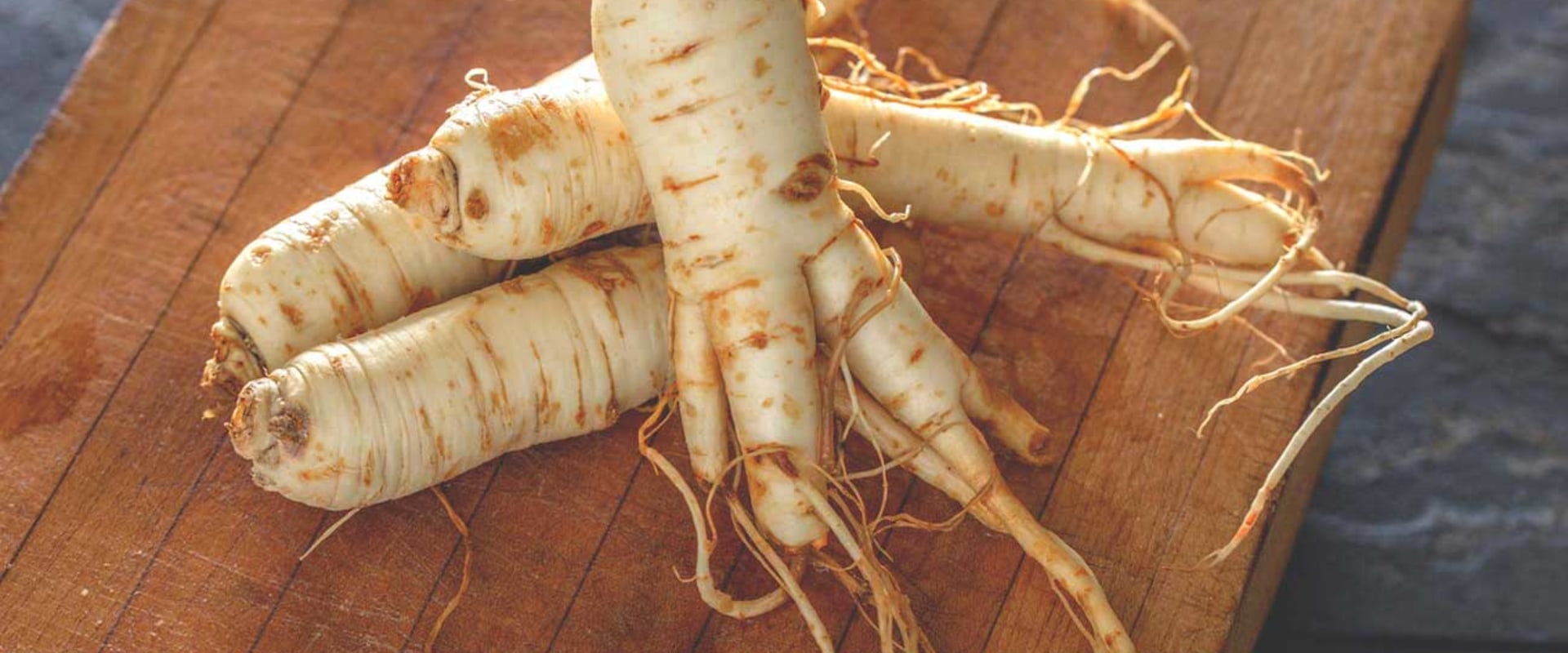
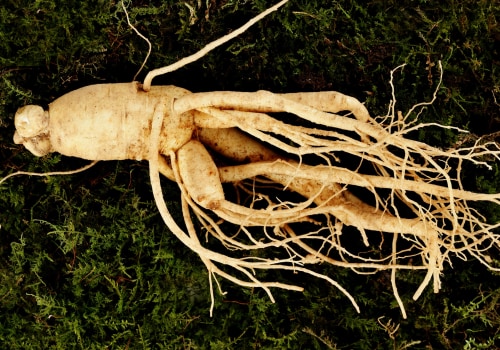
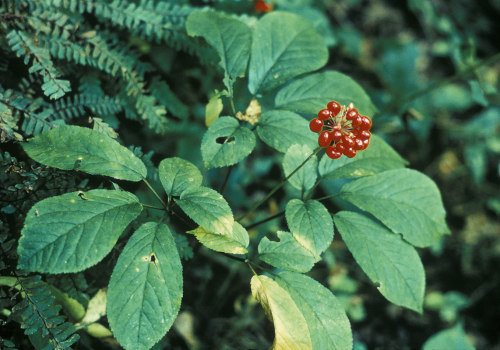
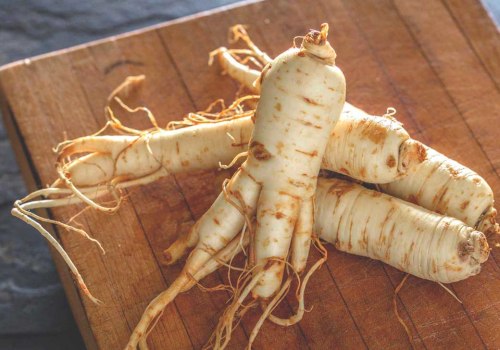
Ginseng, a revered herb in traditional medicine, has captivated the attention of healers and health enthusiasts alike for centuries. Known for its remarkable healing properties, this root has been utilized in various cultures, particularly in East Asia and North America, where it has been a cornerstone of herbal remedies. The significance of ginseng extends beyond its medicinal uses; it embodies a rich history intertwined with the cultural practices of the communities that have cherished it. As we delve into the world of ginseng, we uncover not only its traditional applications but also the modern benefits that continue to enhance its reputation as a powerful natural remedy, much like the insights gained from Understanding Quality and Purity Considerations for Nattokinase. Among the different varieties of ginseng, Ginseng, a revered herb in traditional medicine, has captivated the attention of healers and health enthusiasts alike for centuries. Known for its remarkable healing properties, this root has been utilized in various cultures, particularly in East Asia and North America, where it has been a cornerstone of herbal remedies. The significance of ginseng extends beyond its medicinal uses; it embodies a rich history intertwined with the cultural practices of the communities that have cherished it. As we delve into the world of ginseng, we uncover not only its traditional applications but also the modern benefits that continue to enhance its reputation as a powerful natural remedy, much like the insights gained from Understanding Quality and Purity Considerations for Nattokinase. Among the different varieties of ginseng, American ginseng (Panax quinquefolius) stands out for its unique properties and uses.
Native to the forests of North America, this variety is often celebrated for its cooling effects on the body, making it particularly beneficial for those seeking to balance their internal systems. Historically, Native American tribes have employed American ginseng for its restorative qualities, using it to treat ailments ranging from fatigue to digestive issues. Today, as interest in natural health solutions grows, the exploration of American ginseng uses has expanded significantly, revealing its potential in enhancing overall well-being. The benefits of ginseng are vast and varied, encompassing a range of health conditions and lifestyle enhancements. From boosting energy levels and improving cognitive function to supporting immune health and regulating blood sugar levels, ginseng serves as a versatile ally in promoting vitality.
Its adaptogenic properties help the body adapt to stressors while fostering resilience against chronic diseases. As we navigate through this article, we will explore the multifaceted uses of ginseng, particularly focusing on American ginseng and its role in both traditional medicine and contemporary health practices.
Understanding American Ginseng: Origins and Varieties
American ginseng, scientifically known as Panax quinquefolius, is a perennial herb native to the deciduous forests of North America, particularly in regions like the Appalachian Mountains. Its roots have been harvested for centuries, primarily by Indigenous peoples, who recognized its medicinal properties long before it gained popularity in Western herbal medicine. The origins of American ginseng can be traced back to the early 18th century when it was first documented by European settlers. They quickly learned from Native Americans about its uses as a tonic and restorative agent.The herb became highly sought after, leading to extensive harvesting and trade, particularly with Asian markets where ginseng was already revered. American ginseng is classified under the genus Panax, which translates to "all-heal" in Greek. This classification is significant as it highlights the herb's historical reputation for promoting health and longevity. Within the Panax genus, there are several varieties, but the two most prominent are American ginseng (Panax quinquefolius) and Asian ginseng (Panax ginseng). While both share similar therapeutic properties, they differ in their chemical composition and effects on the body.
Differences Between American and Asian Ginseng
-
Chemical Composition: American ginseng contains higher levels of certain ginsenosides that are believed to have calming effects, making it suitable for stress relief and relaxation.
In contrast, Asian ginseng is known for its stimulating properties due to different ginsenoside profiles.
- Growing Conditions: American ginseng thrives in cooler climates with rich, moist soil, while Asian ginseng prefers warmer temperatures and well-drained soil. This difference in habitat contributes to their unique characteristics.
- Traditional Uses: Traditionally, American ginseng has been used to enhance immune function and combat fatigue, whereas Asian ginseng is often utilized for boosting energy levels and improving cognitive function.
Traditional Uses of American Ginseng in Herbal Medicine
American ginseng (Panax quinquefolius) has a rich history in herbal medicine, particularly among Native American tribes and later in European herbal practices.Its traditional uses are deeply rooted in cultural significance, reflecting a profound understanding of the plant's healing properties long before modern science began to validate these claims. Historically, Native American tribes utilized American ginseng for various medicinal purposes. The root was often employed as a tonic to enhance vitality and overall health. It was believed to possess cooling properties, making it particularly useful for treating ailments associated with heat, such as fevers and inflammation. Additionally, the root was used to alleviate digestive issues and promote appetite, showcasing its versatility in traditional healing practices. In many tribes, American ginseng was not only valued for its medicinal benefits but also held spiritual significance.
It was often regarded as a sacred plant, used in rituals and ceremonies to invoke healing and protection. The gathering of ginseng roots was typically accompanied by specific rituals to honor the plant and ensure sustainable harvesting practices, reflecting a deep respect for nature. As European settlers arrived in North America, they quickly recognized the value of American ginseng. The herb became a sought-after commodity, especially in the 18th century when it was exported to China, where it was highly prized in traditional Chinese medicine (TCM). In TCM, ginseng is revered for its adaptogenic properties, helping the body adapt to stress and promoting balance within various bodily systems. In contemporary herbal medicine, American ginseng continues to be celebrated for its numerous health benefits.
It is commonly used to enhance cognitive function, boost energy levels, and support immune health. Modern herbalists often recommend it for individuals experiencing fatigue or stress-related disorders, drawing on its historical applications as a restorative tonic. The cultural significance of American ginseng extends beyond its medicinal uses; it embodies a connection between people and nature that has persisted through generations. As interest in natural remedies grows in today's health-conscious society, the traditional uses of American ginseng serve as a bridge between ancient wisdom and modern wellness practices.
Modern Scientific Research on American Ginseng
In recent years, the scientific community has increasingly focused on American ginseng (Panax quinquefolius), validating many of the traditional claims surrounding its health benefits. Numerous studies have explored its potential effects on various health conditions, providing a bridge between ancient wisdom and modern medicine. One of the most significant areas of research has been the impact of American ginseng on immune function.A systematic review published in the journal Nutrition Reviews highlighted that ginseng can enhance the immune response by stimulating the production of immune cells, such as lymphocytes and natural killer cells. This immune-boosting property is particularly beneficial during cold and flu seasons, as it may help reduce the incidence and duration of respiratory infections. Another promising area of research is the effect of American ginseng on cognitive function. A study in the journal Psychopharmacology found that participants who consumed ginseng extract showed significant improvements in memory and attention compared to those who received a placebo. These findings suggest that American ginseng may serve as a natural nootropic, enhancing mental clarity and focus. Moreover, American ginseng has been investigated for its role in blood sugar regulation.
Research published in The Journal of Clinical Endocrinology & Metabolism indicated that ginseng could improve insulin sensitivity and lower fasting blood glucose levels in individuals with type 2 diabetes. This effect is attributed to ginsenosides, the active compounds in ginseng, which may enhance glucose uptake in cells. Additionally, studies have shown that American ginseng can help combat fatigue. A clinical trial published in The Journal of Alternative and Complementary Medicine demonstrated that participants with chronic fatigue syndrome experienced significant reductions in fatigue levels after taking American ginseng for eight weeks. This suggests that ginseng may be an effective natural remedy for those struggling with persistent tiredness. While these findings are promising, it is essential to approach them with caution.
The quality of ginseng products can vary significantly, and not all supplements are created equal. Therefore, consumers should seek out high-quality sources and consult healthcare professionals before incorporating American ginseng into their health regimen. In conclusion, modern scientific research continues to uncover the myriad health benefits associated with American ginseng. From enhancing immune function to improving cognitive abilities and regulating blood sugar levels, this ancient herb is gaining recognition as a valuable addition to contemporary health practices.
Health Benefits of American Ginseng: A Comprehensive Overview
American ginseng (Panax quinquefolius) has been celebrated for its numerous health benefits, making it a popular choice in both traditional and modern herbal medicine. This remarkable herb is particularly known for its ability to enhance immune support , improve cognitive function , and provide a natural energy boost .Immune Support
One of the most significant benefits of American ginseng is its role in bolstering the immune system.
Research indicates that this herb can stimulate the production of various immune cells, including lymphocytes and natural killer cells, which are essential for defending the body against infections. A study published in the journal Phytotherapy Research found that participants who consumed American ginseng experienced a notable increase in immune response, particularly during cold and flu season. This makes it an excellent natural remedy for those looking to enhance their body's defenses.
Cognitive Function
American ginseng is also recognized for its potential to improve cognitive function. The ginsenosides found in this herb have been shown to possess neuroprotective properties, which may help in preventing cognitive decline associated with aging.
In clinical trials, individuals taking American ginseng reported improvements in memory, attention, and overall mental clarity. This makes it a valuable supplement for students, professionals, or anyone seeking to enhance their mental performance.
Energy Boost
For those struggling with fatigue or low energy levels, American ginseng can serve as a natural stimulant. Unlike caffeine, which can lead to jitters and crashes, ginseng provides a more balanced energy boost. Studies have demonstrated that American ginseng can enhance physical performance by reducing fatigue and increasing endurance.
Athletes often incorporate this herb into their routines to improve stamina and recovery times. In summary, the health benefits of American ginseng are extensive and well-documented. From supporting immune function to enhancing cognitive abilities and providing a natural energy boost, this versatile herb offers a holistic approach to health and wellness. As always, it is advisable to consult with a healthcare professional before adding any new supplement to your regimen.
How to Incorporate American Ginseng into Your Daily Routine
Incorporating American ginseng into your daily routine can be a rewarding way to harness its numerous health benefits. Whether you prefer teas, supplements, or culinary applications, there are various methods to enjoy this powerful herb.1.Ginseng Tea
One of the simplest ways to consume American ginseng is by brewing it as a tea.Here’s how to make a refreshing ginseng tea:
- Ingredients: 1-2 teaspoons of dried American ginseng root, 2 cups of water, honey or lemon (optional).
- Instructions:
- Boil the water in a pot.
- Add the dried ginseng root and let it simmer for about 10-15 minutes.
- Strain the tea into a cup and add honey or lemon to taste, if desired.
2.Ginseng Smoothies
For those who enjoy smoothies, adding American ginseng powder can enhance your drink's nutritional profile. Here’s a simple recipe:- Ingredients: 1 banana, 1 cup of spinach, 1 tablespoon of American ginseng powder, 1 cup of almond milk, ice cubes.
- Instructions:
- Add all ingredients to a blender.
- Blend until smooth and creamy.
- Pour into a glass and enjoy!
3.Ginseng Supplements
If you prefer a more concentrated form, consider taking American ginseng supplements. These are available in various forms such as capsules, tablets, or extracts. When choosing a supplement, look for products that contain standardized amounts of ginsenosides for consistent potency.4.Daily Dosage Recommendations
The appropriate dosage of American ginseng can vary based on individual health needs and the form in which it is consumed.Generally, the following guidelines can be helpful:
- Dried Root: 1-2 grams per day.
- Powdered Extract: 200-400 mg per day.
- Capsules/Tablets: Follow the manufacturer’s instructions, typically ranging from 100-500 mg per dose.
Potential Side Effects and Considerations When Using Ginseng
While American ginseng (Panax quinquefolius) is celebrated for its numerous health benefits, it is essential to be aware of potential side effects and safety considerations associated with its use. Understanding these factors can help individuals make informed decisions about incorporating this herb into their wellness routines.Common Side Effects
Although many people tolerate American ginseng well, some may experience side effects. Commonly reported issues include:- Insomnia: Due to its stimulating properties, ginseng may interfere with sleep patterns, particularly if taken in high doses or close to bedtime.
- Gastrointestinal Distress: Some users report stomach upset, diarrhea, or nausea after consuming ginseng.
- Headaches: A few individuals have noted headaches as a side effect, possibly linked to changes in blood pressure or hormonal levels.
- Allergic Reactions: Though rare, some people may experience allergic reactions, including skin rashes or itching.
Safety Considerations
When considering the use of American ginseng, it is crucial to take certain precautions:-
Consult a Healthcare Provider: Before starting any new supplement, especially if you have pre-existing health conditions or are taking medications, consult with a healthcare professional.
This is particularly important for individuals with diabetes, as ginseng can affect blood sugar levels.
- Avoid During Pregnancy and Breastfeeding: The safety of ginseng during pregnancy and lactation has not been well studied. Therefore, it is advisable for pregnant or breastfeeding women to avoid its use.
- Monitor Dosage: Stick to recommended dosages to minimize the risk of side effects. High doses can lead to more pronounced adverse effects.
- Avoid Combining with Certain Medications: Ginseng may interact with anticoagulants, antidepressants, and other medications. Always inform your doctor about any supplements you are taking.
By being aware of potential side effects and taking necessary precautions, individuals can enjoy the advantages of this powerful herb while minimizing risks.
Frequently Asked Questions About American Ginseng
American ginseng (Panax quinquefolius) has garnered significant attention for its health benefits, but many people still have questions about its uses, safety, and effectiveness. Below are some of the most frequently asked questions regarding this remarkable herb.What are the traditional uses of American ginseng?
Traditionally, American ginseng has been used by Native American tribes for various medicinal purposes. It was commonly employed to:- Boost energy levels: Many indigenous cultures utilized ginseng to enhance stamina and combat fatigue.
- Support immune function: The herb was believed to strengthen the immune system and help prevent illnesses.
- Improve digestion: Ginseng was often used to alleviate digestive issues and promote overall gut health.
Is American ginseng safe to use?
Generally, American ginseng is considered safe for most individuals when taken in appropriate doses. However, it is essential to consult with a healthcare provider before starting any new supplement, especially for those who are pregnant, nursing, or taking medications.Some potential side effects may include:
- Insomnia
- Headaches
- Gastrointestinal issues
Can American ginseng interact with medications?
Yes, American ginseng can interact with certain medications. It may affect blood sugar levels and could potentially interfere with diabetes medications. Additionally, it may interact with anticoagulants and other drugs that affect blood clotting. Always discuss with your doctor if you are considering adding ginseng to your regimen.What are some common myths about American ginseng?
There are several misconceptions surrounding American ginseng:-
Myth 1: All ginseng varieties are the same.
This is false; American and Asian ginseng have different properties and effects.
- Myth 2: Ginseng is a miracle cure. While it offers numerous health benefits, it is not a substitute for medical treatment.
- Myth 3: Ginseng can be taken in unlimited amounts. Excessive consumption can lead to adverse effects; moderation is key.
Conclusion: The Enduring Legacy of American Ginseng in Health and Wellness
In summary, the journey of American ginseng from ancient herbal traditions to contemporary health practices underscores its remarkable versatility and enduring significance. This powerful herb, known scientifically as Panax quinquefolius, has been revered for centuries not only for its medicinal properties but also for its role in promoting overall wellness. Throughout this article, we have explored the rich history of American ginseng, highlighting its traditional uses among Native American tribes and its integration into modern herbal medicine.The root has been utilized to combat fatigue, enhance cognitive function, and bolster the immune system, showcasing its multifaceted benefits. Modern research continues to validate these traditional applications, revealing the underlying mechanisms that contribute to ginseng's efficacy. Studies have demonstrated its potential in regulating blood sugar levels, improving mental clarity, and even providing neuroprotective effects. As we delve deeper into the science behind this herb, it becomes increasingly clear that American ginseng is not merely a relic of the past but a valuable asset in contemporary health and wellness. Moreover, the adaptability of American ginseng to various health needs makes it a popular choice among those seeking natural remedies. Whether consumed as a supplement, brewed as a tea, or incorporated into culinary dishes, its versatility allows individuals to tailor their intake according to personal preferences and health goals. As we look to the future, it is essential to continue exploring the potential of American ginseng within both traditional and modern contexts.
By fostering a deeper understanding of this herb's properties and applications, we can better appreciate its role in holistic health practices. In conclusion, the legacy of American ginseng is one of resilience and adaptability. Its time-honored uses combined with modern scientific validation position it as a cornerstone in the realm of natural health solutions. As more individuals seek alternatives to conventional medicine, American ginseng stands out as a beacon of hope for those looking to enhance their well-being through nature's bounty.