The Comprehensive Guide to the Pros and Cons of Daily American Ginseng Use
Explore the benefits and risks of daily American ginseng use, including blood sugar regulation, cognitive enhancement, and potential side effects.
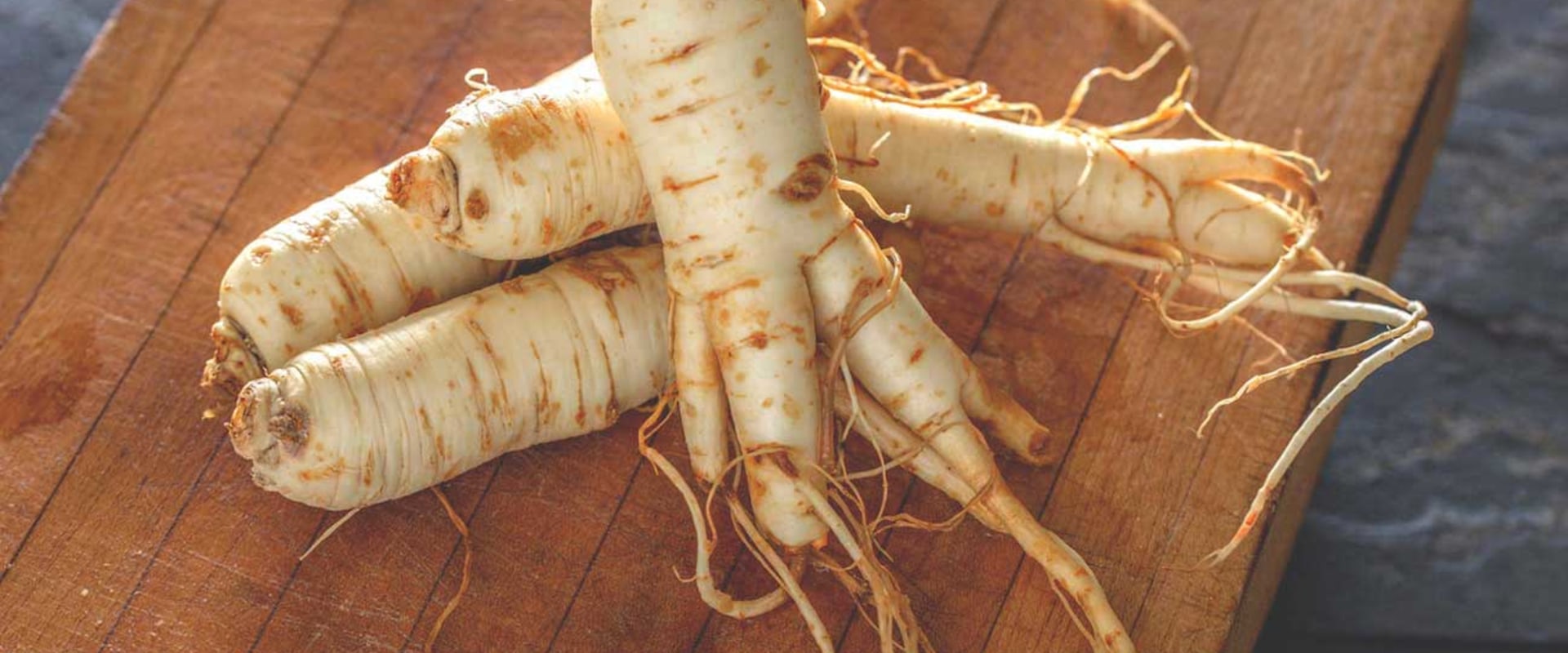
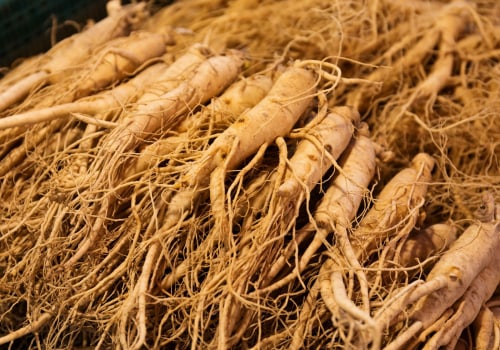
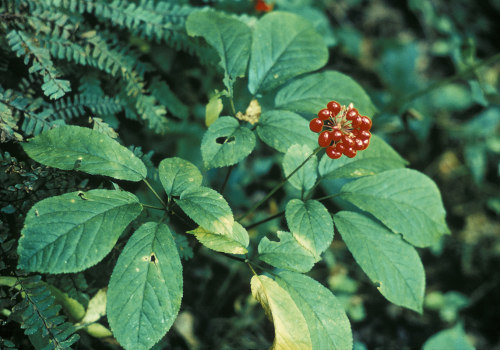
American ginseng, scientifically known as Panax quinquefolius, is a perennial herb native to North America, particularly found in the woodlands of the eastern United States and Canada. This remarkable plant has been revered for centuries, not only for its unique flavor but also for its extensive medicinal properties. Traditionally used by Native American tribes, American ginseng has played a significant role in herbal medicine, often regarded as a powerful adaptogen that helps the body cope with stress and maintain balance, making it relevant in discussions about the Top 10 Most Common Illnesses Symptoms Causes. The roots of American ginseng are the most commonly utilized part of the plant, prized for their rich content of ginsenosides—active compounds believed to contribute to its health benefits. These roots can be consumed in various forms, including teas, capsules, and extracts, making it accessible for those seeking to harness its potential advantages.
The versatility of American ginseng is one of the reasons it has gained popularity in modern herbal practices. Among the many American ginseng uses , its ability to enhance cognitive function and support immune health stands out. Research suggests that regular consumption may lead to improved mental clarity and focus, making it a favored choice among students and professionals alike. Additionally, American ginseng is often explored for its potential role in managing blood sugar levels, particularly for individuals with type 2 diabetes. This dual action not only aids in maintaining energy levels but also contributes to overall well-being. As we delve deeper into the benefits and risks associated with daily use of American ginseng, it is essential to understand its historical context and traditional applications.
This foundational knowledge will equip readers with a comprehensive view of how this remarkable herb can fit into their health regimen while also highlighting the importance of informed usage.
Health Benefits of Daily American Ginseng Use
Daily consumption of American ginseng has garnered attention for its potential health benefits, particularly in managing blood sugar levels, enhancing cognitive function, and exhibiting anticancer properties. Understanding these benefits can help individuals make informed decisions about incorporating this herbal supplement into their daily routine.Blood Sugar Regulation
One of the most significant health benefits of American ginseng is its ability to help regulate blood sugar levels, especially in individuals with type 2 diabetes. Research indicates that American ginseng can lower both fasting and postprandial (after meal) blood glucose levels. For instance, a study demonstrated that participants who consumed American ginseng before or alongside a high-sugar beverage experienced a reduced spike in their blood sugar levels compared to those who did not. This effect is attributed to the presence of ginsenosides, the active compounds in ginseng, which may enhance insulin sensitivity and improve glucose metabolism.
Additionally, American ginseng may help mitigate complications associated with diabetes by reducing oxidative stress and inflammation, which are known contributors to diabetes-related issues.
Cognitive Enhancement
Another promising area of research is the impact of American ginseng on cognitive function. Preliminary studies suggest that regular use may improve memory, attention, and overall cognitive performance. This is particularly relevant for individuals experiencing cognitive decline or those looking to enhance their mental acuity.
In combination with other herbs like ginkgo biloba, American ginseng has shown potential in treating attention deficit hyperactivity disorder (ADHD), indicating its versatility as a cognitive enhancer. The adaptogenic properties of ginseng may also help reduce mental fatigue and improve focus during stressful situations.
Another promising area of research is the impact of American ginseng on cognitive function. Preliminary studies suggest that regular use may improve memory, attention, and overall cognitive performance. This is particularly relevant for individuals experiencing cognitive decline or those looking to enhance their mental acuity.
In combination with other herbs like ginkgo biloba, American ginseng has shown potential in treating attention deficit hyperactivity disorder (ADHD), indicating its versatility as a cognitive enhancer. The adaptogenic properties of ginseng may also help reduce mental fatigue and improve focus during stressful situations.
Anticancer Properties
Emerging research has highlighted the potential anticancer effects of American ginseng, particularly concerning colorectal cancer.
Laboratory studies have indicated that ginsenosides can inhibit the growth of cancer cells and induce apoptosis (programmed cell death) in certain types of cancer. While more clinical trials are needed to fully understand these effects, the initial findings are promising and suggest that American ginseng could play a role in cancer prevention strategies. In summary, the daily use of American ginseng offers a range of health benefits, from regulating blood sugar levels to enhancing cognitive function and potentially providing anticancer effects. As with any supplement, it is essential to consult with a healthcare provider before starting a regimen to ensure safety and efficacy tailored to individual health needs.
Potential Risks and Side Effects of Daily Use
While American ginseng is celebrated for its numerous health benefits, it is crucial to consider the potential risks and side effects associated with its daily use. Understanding these factors can help individuals make informed decisions about incorporating this herb into their wellness routines.Anticoagulant Effects
One of the primary concerns regarding daily American ginseng use is its potential anticoagulant properties.
This means that it may thin the blood, which can increase the risk of bleeding, especially during surgical procedures or in individuals taking other blood-thinning medications. If you are scheduled for surgery or are currently on anticoagulant therapy, it is essential to discuss your ginseng use with your healthcare provider.
Interactions with Medications
American ginseng can interact with various medications, potentially altering their effectiveness or increasing the risk of adverse effects. For instance:
- Diabetes Medications: Since American ginseng can lower blood sugar levels, it may enhance the effects of diabetes medications, leading to hypoglycemia (low blood sugar). Regular monitoring of blood sugar levels is advisable for those on such medications.
- Antidepressants: There is some evidence suggesting that American ginseng may affect serotonin levels, which could interfere with antidepressant medications, particularly SSRIs.
- Blood Pressure Medications: Ginseng may also influence blood pressure regulation, necessitating caution for those taking antihypertensive drugs.
Contraindications
Certain populations should exercise caution or avoid American ginseng altogether.
These include:
- Individuals with Hormone-Sensitive Conditions: Women with a history of breast cancer or other hormone-sensitive conditions should avoid American ginseng due to its potential estrogenic effects.
- People with Low Blood Pressure: Those who experience hypotension should be cautious, as ginseng may exacerbate this condition.
- Pregnant and Nursing Women: The safety of American ginseng during pregnancy and lactation has not been well established, so it is best to err on the side of caution.
Other Side Effects
While many people tolerate American ginseng well, some may experience side effects such as:
- Insomnia: Due to its stimulating properties, some users report difficulty sleeping when taking ginseng.
- Nervousness or Anxiety: High doses may lead to increased feelings of anxiety or restlessness.
- Digestive Issues: Some individuals may experience gastrointestinal discomfort, including nausea or diarrhea.
Recommended Dosage and Usage Guidelines
When considering the incorporation of American ginseng into your daily routine, understanding the appropriate dosage and usage guidelines is crucial for maximizing its benefits while minimizing potential risks. The recommended dosage can vary based on individual health conditions, age, and the specific form of ginseng being used.General Dosage Recommendations
- For general health benefits, a daily dosage of 100 to 300 mg of American ginseng extract is commonly suggested.
- For specific health conditions, such as type 2 diabetes, studies have utilized doses ranging from 200 to 3,000 mg per day, depending on individual needs and responses.
- It is advisable to start with a lower dose and gradually increase it to assess tolerance and effectiveness.
Forms of American Ginseng
American ginseng is available in various forms, including capsules, powders, teas, and tinctures. Each form may have different potency levels:
- Capsules: Typically contain concentrated extracts; follow the manufacturer's instructions for dosage.
- Powder: Can be mixed into smoothies or other beverages; a common serving is about 1 teaspoon.
- Tea: Brewed from dried roots; steeping for 10-15 minutes is recommended for optimal extraction.
- Tinctures: Liquid extracts that are often more potent; follow the label for specific dosing guidelines.
How to Take American Ginseng Safely
To ensure safe consumption of American ginseng:
- Avoid long-term continuous use: Experts recommend taking breaks after every 2-3 weeks of use to prevent potential side effects.
- Consult with a healthcare provider: Especially if you have underlying health conditions or are taking medications that may interact with ginseng.
- Avoid combining with stimulants: Since American ginseng can have stimulating effects, it’s best not to take it alongside caffeine or other stimulants.
Who Should Avoid Daily Use of American Ginseng?
While American ginseng is celebrated for its numerous health benefits, it is crucial to recognize that certain individuals should exercise caution or completely avoid its daily use.Understanding these contraindications can help prevent adverse effects and ensure safe consumption.
1.Individuals with Hormone-Sensitive Conditions
Women who have a history of breast cancer or other hormone-sensitive conditions should refrain from using American ginseng. This herb may influence estrogen levels, potentially exacerbating these conditions. It is essential for individuals in this category to consult with their healthcare provider before considering any form of ginseng.
2.People with Low Blood Pressure
American ginseng has been noted to lower blood pressure, which can be beneficial for some but problematic for others. Those who already experience low blood pressure or are on medications to manage hypertension should be cautious.
The combination of ginseng and blood pressure-lowering medications could lead to dangerously low levels, resulting in dizziness, fainting, or other serious complications.
3.Pregnant and Breastfeeding Women
The safety of American ginseng during pregnancy and breastfeeding has not been thoroughly studied. Therefore, it is advisable for pregnant or nursing women to avoid its use unless specifically recommended by a healthcare professional. The potential effects on fetal development or nursing infants remain uncertain.
4.Individuals with Autoimmune Disorders4.Individuals with Autoimmune Disorders
Those suffering from autoimmune diseases such as lupus, multiple sclerosis, or rheumatoid arthritis should approach American ginseng with caution. This herb may stimulate the immune system, which could worsen symptoms or trigger flare-ups in susceptible individuals.
5.Patients Undergoing Surgery
American ginseng may act as an anticoagulant, increasing the risk of bleeding during surgical procedures.
It is vital for patients scheduled for surgery to inform their healthcare providers about any herbal supplements they are taking, including American ginseng, to avoid complications related to excessive bleeding.
6.Those Taking Certain Medications
American ginseng can interact with various medications, including anticoagulants, antidiabetic drugs, and certain antidepressants. These interactions can either enhance or diminish the effectiveness of prescribed treatments. Therefore, individuals on medication should consult their healthcare provider before incorporating American ginseng into their daily routine.
In summary, while American ginseng offers potential health benefits, it is not suitable for everyone. Individuals with hormone-sensitive conditions, low blood pressure, pregnant or breastfeeding women, those with autoimmune disorders, patients undergoing surgery, and those taking specific medications should avoid daily use unless advised otherwise by a healthcare professional.
Comparing American Ginseng with Other Herbal Supplements
When exploring the world of herbal supplements, it’s essential to understand how American ginseng compares to other popular options.Each herb offers unique benefits and potential drawbacks, making it crucial for consumers to make informed choices based on their health needs.
American Ginseng vs. Ashwagandha
- Adaptogenic Properties: Both American ginseng and ashwagandha are classified as adaptogens, which help the body manage stress. However, while American ginseng is known for its stimulating effects, ashwagandha is often recognized for its calming properties.
- Energy Levels: American ginseng is frequently used to enhance energy and improve cognitive function, making it a popular choice for those seeking mental clarity. In contrast, ashwagandha is more commonly used to combat fatigue and promote relaxation.
- Usage Recommendations: While both herbs can be taken daily, ashwagandha is often recommended for longer periods without breaks, whereas some experts suggest cycling American ginseng to avoid potential side effects.
American Ginseng vs.
Rhodiola Rosea
- Stress Relief: Rhodiola rosea is another adaptogen that helps reduce stress and anxiety. It may be more effective in enhancing physical endurance and reducing fatigue compared to American ginseng.
- Cognitive Benefits: Both herbs have been studied for their cognitive-enhancing effects; however, American ginseng has shown more promise in improving blood sugar levels and overall metabolic health.
- Side Effects: Rhodiola is generally well-tolerated but can cause irritability in some individuals. American ginseng may lead to insomnia or gastrointestinal issues if taken in excess.
American Ginseng vs. Turmeric
-
Anti-Inflammatory Effects: Turmeric is renowned for its anti-inflammatory properties due to its active compound, curcumin.
While American ginseng has some anti-inflammatory effects, turmeric is often the go-to herb for inflammation-related issues.
- Health Benefits: Both herbs offer a range of health benefits; however, American ginseng is particularly noted for its potential in managing blood sugar levels and enhancing energy, while turmeric excels in promoting joint health and reducing chronic inflammation.
- Absorption: Curcumin from turmeric has low bioavailability, often requiring it to be combined with black pepper for better absorption. In contrast, the active compounds in American ginseng are readily absorbed by the body.
Frequently Asked Questions about American Ginseng
American ginseng, a popular herbal supplement, often raises questions among users and potential users alike. Below are some of the most frequently asked questions regarding its uses, benefits, and misconceptions.What is American ginseng?
American ginseng (Panax quinquefolius) is a perennial herb native to North America.It is renowned for its adaptogenic properties, which help the body manage stress and promote overall well-being. Traditionally used by Native Americans for various ailments, it has gained popularity in modern herbal medicine.
What are the primary uses of American ginseng?
- Blood Sugar Regulation: Research indicates that American ginseng may help lower blood sugar levels, particularly in individuals with type 2 diabetes.
- Energy Boost: Many users report increased energy levels and reduced fatigue, making it a popular choice for those seeking to enhance physical performance.
- Cognitive Function: Some studies suggest that American ginseng may improve cognitive abilities and memory, especially when combined with other herbs like ginkgo biloba.
- Immune Support: It is believed to enhance immune function, potentially reducing the frequency of colds and infections.
Are there any side effects associated with American ginseng?
While generally considered safe for short-term use, some individuals may experience side effects such as insomnia, headaches, or gastrointestinal issues. It is advisable to consult a healthcare provider before starting any new supplement regimen.Can anyone take American ginseng?
No, certain individuals should exercise caution or avoid it altogether. Pregnant or breastfeeding women, those with hormone-sensitive conditions like breast cancer, and individuals on anticoagulant medications should consult their healthcare provider before use.Is it true that American ginseng can interact with medications?
Yes, American ginseng may interact with various medications, particularly blood thinners and diabetes medications.Always inform your healthcare provider about any supplements you are taking to avoid potential interactions.
What are some common myths about American ginseng?
- Myth 1: All ginsengs are the same. This is false; there are different types of ginseng (e.g., Asian vs. American), each with unique properties and benefits.
- Myth 2: Ginseng can cure diseases. While it may support health, it is not a cure for any disease.
-
Myth 3: More is always better.
Taking excessive amounts can lead to side effects; moderation is key.
Conclusion: Weighing the Pros and Cons of Daily Use
In summary, the decision to incorporate American ginseng into your daily routine is not one to be taken lightly. As we have explored throughout this article, there are both significant benefits and potential drawbacks associated with its use.Pros of Daily American Ginseng Use:
- Blood Sugar Regulation: Numerous studies indicate that American ginseng can effectively lower blood sugar levels, particularly in individuals with type 2 diabetes. This can lead to improved overall health and reduced risk of diabetes-related complications.
- Cognitive Enhancement: Preliminary research suggests that American ginseng may enhance cognitive function and could be beneficial in managing conditions like ADHD when paired with other supplements.
- Antioxidant Properties: The herb is rich in antioxidants, which can help combat oxidative stress and may have anticancer effects, particularly against colorectal cancer.
- Fatigue Reduction: Ongoing studies are investigating its potential to alleviate fatigue in patients undergoing treatment for head and neck cancers, indicating its possible role in supporting recovery.
Cons of Daily American Ginseng Use:
- Limited Long-Term Research: While short-term use appears safe, the long-term effects of daily consumption remain largely unstudied, raising concerns about potential side effects over extended periods.
- Risk of Bleeding: American ginseng may act as an anticoagulant, which could increase bleeding risks during medical procedures. It is crucial to inform healthcare providers about its use.
- Hormonal Sensitivity: Individuals with hormone-sensitive conditions, such as a history of breast cancer, should avoid American ginseng due to its potential hormonal effects.
- Blood Pressure Considerations: Those with low blood pressure or acute illnesses should approach daily use with caution, as it may exacerbate these conditions.
Consulting with a healthcare professional is essential to ensure that it aligns with your individual health needs and circumstances. By making informed decisions, you can harness the potential advantages of this powerful herb while minimizing any adverse effects.