The Incredible Benefits of American Ginseng: From Ancient Medicine to Modern Health
Discover the amazing health benefits of American ginseng, from boosting energy to supporting immune function and cognitive health.
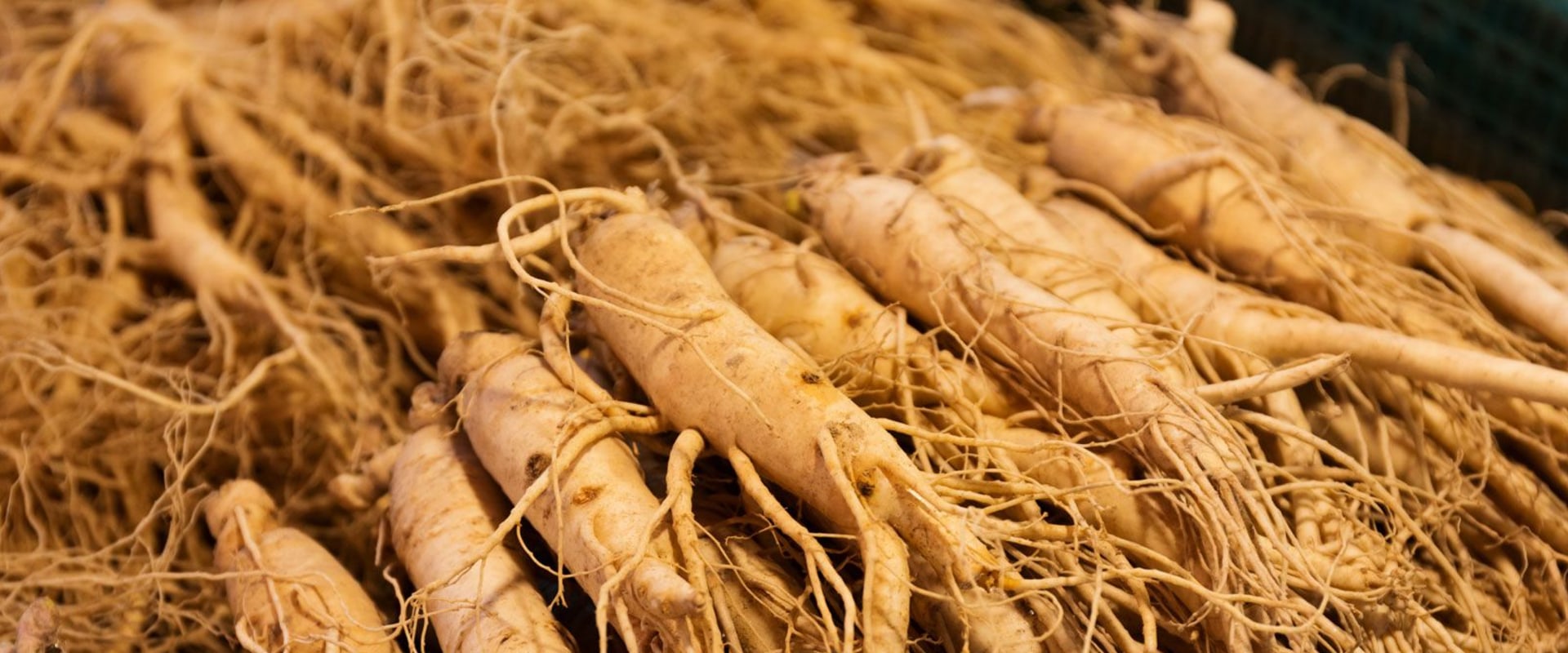
American ginseng, scientifically known as Panax quinquefolius, is a remarkable herb that has captivated the attention of herbalists and health enthusiasts alike for centuries. Native to the forests of North America, particularly in regions like the Appalachian Mountains, this plant has a rich history intertwined with both Native American traditions and modern herbal medicine. Historically, American ginseng was revered not only for its unique flavor but also for its medicinal properties, which were utilized by Indigenous tribes for various ailments. They recognized its potential to enhance vitality and promote overall well-being, laying the groundwork for its continued use today. As we delve into the benefits of ginseng , it becomes clear that this herb is more than just a relic of ancient practices; it is a powerhouse of health benefits that have been validated by contemporary research. , it becomes clear that this herb is more than just a relic of ancient practices; it is a powerhouse of health benefits that have been validated by contemporary research.
American ginseng is particularly noted for its adaptogenic properties, which help the body manage stress and maintain balance. This quality makes it an appealing choice for those seeking natural ways to enhance their resilience against daily challenges. Furthermore, studies have shown that American ginseng can support cognitive function, boost energy levels, and even aid in regulating blood sugar levels, making it a versatile addition to any health regimen. The journey of American ginseng from traditional medicine to modern health practices highlights its enduring significance. As we explore its various uses and benefits throughout this article, we will uncover how this ancient herb continues to play a vital role in promoting health and wellness in today's fast-paced world.
Whether you are looking to improve your mental clarity, enhance your immune system, or simply incorporate a time-honored remedy into your lifestyle, understanding the full scope of American ginseng's uses will empower you to make informed choices about your health.
What is American Ginseng?
American ginseng, scientifically known as Panax quinquefolius, is a perennial herb native to the deciduous forests of North America, particularly in regions like the Appalachian Mountains. This herb has been revered for its medicinal properties by Native American tribes for centuries, who utilized it for various health benefits. Unlike its Asian counterpart, Panax ginseng, American ginseng is characterized by its unique growing conditions and distinct chemical composition.Physical Characteristics
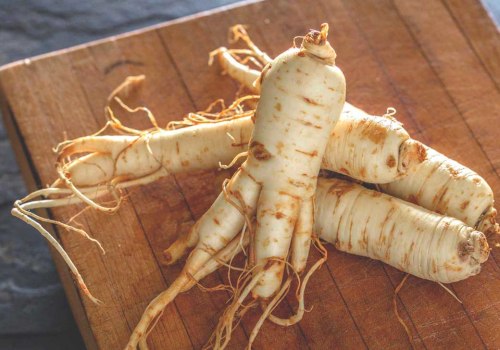
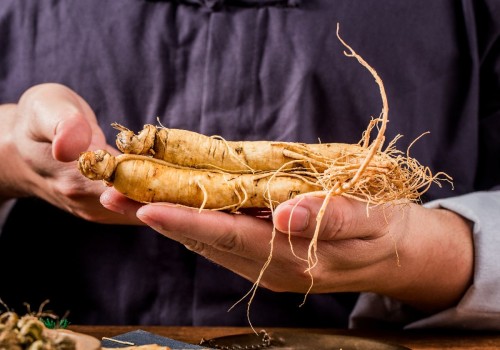
- Root Structure: The root of American ginseng is typically light tan to yellowish in color and has a knobby appearance, often resembling a human figure. This shape is not just a curiosity; it has led to the herb being referred to as "man-root" in some cultures.
-
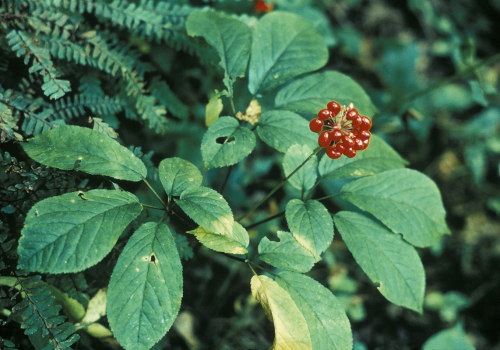
Leaves: The plant features compound leaves that are palmate, usually consisting of five leaflets that radiate from a central point.
These leaves are dark green and can grow up to 12 inches long.
- Flowers and Berries: In late summer, American ginseng produces small, greenish-white flowers that eventually develop into bright red berries. These berries are not only visually striking but also contain seeds that can propagate new plants.
Differentiation from Other Types of Ginseng
While there are several types of ginseng, including Korean and Siberian varieties, American ginseng stands out due to its specific habitat and chemical profile. The primary difference lies in their active compounds:
- Ginsenosides: American ginseng contains a different ratio of ginsenosides compared to Asian ginseng. This variation affects their pharmacological effects, with American ginseng often being considered milder and more suitable for long-term use.
-
Cultural Significance: In traditional Chinese medicine, Asian ginseng is often viewed as a stimulant, while American ginseng is recognized for its calming properties.
This distinction makes American ginseng particularly appealing for those seeking stress relief and enhanced cognitive function without the stimulating effects.
Historical Uses of American Ginseng
American ginseng, scientifically known as Panax quinquefolius, has a rich history that dates back centuries, particularly among Native American tribes. This herb was not only valued for its medicinal properties but also held cultural significance in various indigenous communities across North America. Native Americans utilized American ginseng for a variety of health-related purposes. They recognized its potential as a natural remedy for ailments such as:- Fatigue: Ginseng was often used to boost energy levels and combat fatigue, making it a popular choice among those engaged in physically demanding activities.
- Digestive Issues: The root was employed to alleviate digestive problems, including indigestion and stomach discomfort.
- Respiratory Conditions: Some tribes used ginseng to treat respiratory ailments, believing it could help with coughs and colds.
- Fever and Inflammation: The anti-inflammatory properties of ginseng made it a go-to remedy for reducing fever and inflammation.
- Reproductive Health: Ginseng was also thought to enhance fertility and support reproductive health, particularly among women.
Many tribes viewed the plant as a gift from the earth, often incorporating it into rituals and ceremonies aimed at promoting health and well-being. The harvesting of ginseng was typically done with great respect, as it was believed that the plant possessed a spirit that needed to be honored. As European settlers arrived in North America, they quickly recognized the value of American ginseng. The herb became a significant trade item in the 18th century, with demand soaring in Europe and Asia. This led to overharvesting in some areas, prompting conservation efforts to ensure its sustainability. Today, American ginseng is celebrated not only for its historical significance but also for its continued relevance in modern herbal medicine.
Its adaptogenic properties—helping the body adapt to stress—are now widely acknowledged, making it a popular supplement among those seeking natural ways to enhance their health. The journey of American ginseng from traditional Native American uses to contemporary herbal practices illustrates the enduring legacy of this remarkable plant. As research continues to uncover its benefits, American ginseng remains a vital part of both cultural heritage and modern wellness strategies.
Health Benefits of American Ginseng
American ginseng, scientifically known as Panax quinquefolius, has garnered significant attention for its numerous health benefits, particularly in enhancing energy levels and supporting the immune system. This remarkable herb has been utilized for centuries, not only by Native Americans but also in modern herbal medicine, due to its adaptogenic properties that help the body cope with stress and fatigue.Boosting Energy Levels
One of the most celebrated benefits of American ginseng is its ability to increase energy and reduce fatigue. Unlike stimulants such as caffeine, which can lead to a crash after their effects wear off, American ginseng provides a more balanced energy boost.
This is largely attributed to its ability to enhance the body's resilience to stress and improve overall vitality.
Research indicates that American ginseng may help improve physical performance and endurance. A study published in the Journal of Ginseng Research found that participants who consumed American ginseng experienced less fatigue during exercise and reported higher energy levels compared to those who did not take the supplement. This makes it an excellent choice for athletes or anyone looking to enhance their physical performance.
Supporting Immune Function
In addition to boosting energy, American ginseng is renowned for its positive effects on the immune system. The root contains various bioactive compounds, including ginsenosides, which have been shown to enhance immune response.
These compounds stimulate the production of immune cells, helping the body fend off infections and illnesses.
A study published in Phytotherapy Research highlighted that individuals taking American ginseng experienced fewer colds and respiratory infections compared to those who did not. This immune-boosting effect is particularly beneficial during cold and flu season or for individuals with weakened immune systems.
Overall Well-Being
The health benefits of American ginseng extend beyond just energy and immunity. Regular consumption can lead to improved mental clarity, reduced stress levels, and enhanced mood. Its adaptogenic properties help balance cortisol levels in the body, which can mitigate the effects of chronic stress.
Moreover, American ginseng has been linked to better cognitive function.
Some studies suggest that it may improve memory and concentration, making it a valuable ally for students or professionals facing demanding tasks. In summary, incorporating American ginseng into your daily routine can provide a multitude of health benefits, from increased energy levels to enhanced immune function and overall well-being. As with any supplement, it is advisable to consult with a healthcare professional before starting any new regimen, especially if you have underlying health conditions or are taking medications.
Scientific Research on American Ginseng
Recent scientific investigations into American ginseng have provided substantial evidence supporting its numerous health benefits. A variety of studies have focused on its potential to enhance cognitive function, regulate blood sugar levels, and improve overall well-being. One notable study published in the journal Diabetes Care examined the effects of American ginseng on glycemic control in individuals with type 2 diabetes. The randomized, double-blind, placebo-controlled trial involved participants who consumed American ginseng extract.Results indicated a significant reduction in fasting blood glucose levels, suggesting that American ginseng may play a role in managing diabetes effectively. Another important area of research has been the impact of American ginseng on cognitive performance. A study featured in The Journal of Alternative and Complementary Medicine assessed older adults who took American ginseng over a period of six months. The findings revealed improvements in memory and attention span, highlighting the herb's potential as a natural cognitive enhancer. Furthermore, clinical trials have explored the adaptogenic properties of American ginseng, which may help the body cope with stress. A study published in Phytotherapy Research found that participants who consumed American ginseng reported lower levels of fatigue and improved mood compared to those who received a placebo.
This suggests that American ginseng could be beneficial for individuals experiencing chronic stress or fatigue. In addition to these benefits, research has also indicated that American ginseng may possess anti-cancer properties. A laboratory study published in Cancer Letters demonstrated that extracts from American ginseng inhibited the growth of certain cancer cells, including breast cancer cells. While more research is needed to fully understand these effects, the initial findings are promising and warrant further investigation. Overall, the growing body of scientific literature supports the traditional uses of American ginseng and underscores its potential as a valuable herbal remedy. As research continues to evolve, it is essential for consumers to stay informed about the latest findings and consult healthcare professionals before incorporating American ginseng into their health regimen.
How to Use American Ginseng
Incorporating American ginseng into your daily routine can be a rewarding experience, offering numerous health benefits.However, understanding the various forms available and the appropriate dosages is crucial for maximizing its effects.
Forms of American Ginseng
- Teas: One of the most traditional ways to consume American ginseng is in tea form. To prepare ginseng tea, steep 1-2 grams of dried root slices in hot water for about 10-15 minutes. This method not only extracts the beneficial compounds but also provides a soothing beverage that can be enjoyed throughout the day.
-
Capsules: For those who prefer convenience, American ginseng is widely available in capsule form. These capsules typically contain powdered ginseng root and are easy to incorporate into your daily supplement regimen.
A common dosage is 200-400 mg per day, but it’s essential to follow the manufacturer’s instructions.
- Tinctures: Ginseng tinctures are concentrated liquid extracts made by soaking the root in alcohol or glycerin. They are potent and can be taken in small doses, usually around 1-2 ml per day. Tinctures are an excellent option for those who want a quick and effective way to consume ginseng.
-
Powder: Ground American ginseng root can be added to smoothies, oatmeal, or other foods. A typical serving size is about 1 teaspoon (approximately 2-3 grams).
This versatile form allows for creative culinary uses while reaping the health benefits.
Dosage Recommendations
The appropriate dosage of American ginseng can vary based on individual health needs and the specific product used. Generally, a daily intake of 200-400 mg is recommended for most adults. However, it’s important to start with a lower dose to assess tolerance and gradually increase as needed. For those using ginseng for specific health concerns, such as enhancing cognitive function or managing blood sugar levels, consulting with a healthcare professional is advisable. They can provide personalized recommendations based on your health status and any medications you may be taking. In summary, whether you choose to enjoy American ginseng as a tea, capsule, tincture, or powder, understanding how to use it effectively will help you harness its full potential.
Always remember to listen to your body and adjust your intake accordingly for optimal results.
Potential Side Effects and Interactions
While American ginseng is celebrated for its numerous health benefits, it is essential to be aware of potential side effects and interactions with medications. Understanding these aspects can help ensure safe and effective use of this powerful herb.Common Side Effects
Although many people tolerate American ginseng well, some may experience side effects. Commonly reported side effects include:- Insomnia: Due to its stimulating properties, American ginseng may cause difficulty sleeping, especially if taken in high doses or close to bedtime.
- Headaches: Some users report headaches, which may be linked to the herb's effects on blood circulation and energy levels.
- Gastrointestinal Issues: Mild digestive problems such as nausea, diarrhea, or upset stomach can occur in some individuals.
- Allergic Reactions: Although rare, allergic reactions can happen. Symptoms may include rash, itching, or difficulty breathing.
Interactions with Medications
American ginseng can interact with various medications, potentially altering their effectiveness or increasing the risk of side effects.It is crucial to consult a healthcare professional before combining ginseng with any of the following:
- Anticoagulants: Ginseng may affect blood clotting and could enhance the effects of blood thinners like warfarin, increasing the risk of bleeding.
- Diabetes Medications: Since American ginseng can lower blood sugar levels, it may interact with diabetes medications, leading to hypoglycemia (low blood sugar).
- Caffeine: Combining ginseng with caffeine-containing products may amplify stimulant effects, potentially causing increased heart rate or anxiety.
- Immunosuppressants: Ginseng might stimulate the immune system, which could interfere with medications designed to suppress immune function.
Safety Considerations
The safety of American ginseng is generally well-established when used appropriately. However, certain populations should exercise caution:- Pregnant or Nursing Women: Due to limited research on its safety during pregnancy and lactation, it is advisable for women in these categories to avoid American ginseng.
- Individuals with Hormone-Sensitive Conditions: Those with conditions like breast cancer or prostate cancer should consult a healthcare provider before using ginseng due to its potential estrogenic effects.
Cultural Significance of Ginseng Today
In contemporary society, the cultural significance of ginseng has evolved, reflecting its historical roots while adapting to modern health trends. American ginseng, in particular, has gained recognition not only for its medicinal properties but also for its role in various cultural practices across different regions. In the United States, American ginseng is often celebrated for its adaptogenic qualities, which help the body manage stress and maintain balance.This has led to its incorporation into wellness routines, with many individuals using it in teas, supplements, and energy drinks. The growing interest in natural remedies has positioned ginseng as a staple in health food stores and online marketplaces, where it is marketed as a natural solution for enhancing vitality and cognitive function. Moreover, American ginseng holds a special place in Native American culture. Indigenous tribes have long revered this herb not only for its health benefits but also for its spiritual significance. Traditionally, ginseng was used in rituals and ceremonies, symbolizing strength and healing.
Today, some Native American communities continue to harvest ginseng sustainably, honoring their ancestral practices while contributing to the preservation of this valuable resource. In Asian cultures, particularly in China and Korea, ginseng remains a cornerstone of traditional medicine. Its use is deeply embedded in cultural practices, where it is often gifted during significant life events such as weddings or births. The belief in ginseng's ability to promote longevity and vitality makes it a popular choice for celebratory occasions. In these cultures, ginseng is not merely a supplement; it is a symbol of health and prosperity. Furthermore, the global fascination with herbal medicine has led to an increased interest in the cultivation and sustainable harvesting of ginseng.
As consumers become more aware of the environmental impact of their choices, there is a growing demand for ethically sourced products. This shift has prompted farmers to adopt sustainable practices that honor both the land and the traditions associated with ginseng cultivation. In conclusion, the modern uses of ginseng reflect a blend of ancient wisdom and contemporary health practices. Its cultural significance transcends borders, connecting people through shared values of health, wellness, and sustainability. As we continue to explore the benefits of American ginseng, it is essential to recognize and respect the rich cultural heritage that accompanies this remarkable herb.
FAQs About American Ginseng
American ginseng, known scientifically as Panax quinquefolius, has garnered significant attention in both traditional and modern medicine.However, with its rising popularity, several questions and misconceptions have emerged. Here, we address some of the most frequently asked questions about American ginseng to provide clarity and enhance understanding.
What are the primary benefits of American ginseng?
American ginseng is celebrated for its numerous health benefits, including:- Energy Boost: Many users report increased energy levels and reduced fatigue.
- Blood Sugar Regulation: Research indicates that it may help improve glycemic control in individuals with diabetes.
- Immune Support: Its antioxidant properties can bolster the immune system.
- Cognitive Enhancement: Some studies suggest it may improve memory and cognitive function.
Is American ginseng safe for everyone?
While American ginseng is generally considered safe for most people, it is essential to consult a healthcare professional before starting any new supplement, especially for:- Pregnant or breastfeeding women
- Individuals on blood-thinning medications
- Those with hormone-sensitive conditions
Are there any myths about American ginseng?
Several myths surround American ginseng that can lead to confusion:- Myth 1: All ginseng is the same. This is false. There are different types of ginseng, including Asian and American, each with unique properties and benefits.
- Myth 2: Ginseng is a miracle cure. This is misleading. While it offers various health benefits, it should not replace conventional medical treatments.
-
Myth 3: Ginseng can be taken in any form without consequences.
This is incorrect. The form (powder, extract, tea) and dosage matter significantly for effectiveness and safety.
Conclusion: The Future of American Ginseng in Health and Wellness
As we reflect on the remarkable journey of American ginseng from its roots in traditional medicine to its current status as a modern health supplement, it becomes clear that this herb holds significant promise for the future of health and wellness. The extensive research conducted over the years has unveiled a multitude of benefits associated with American ginseng, ranging from its ability to enhance cognitive function to its role in managing blood sugar levels. One of the most compelling aspects of American ginseng is its adaptability in various health contexts. As we have seen, it has been utilized not only for its energizing properties but also for its potential to support immune function and combat stress.This versatility makes it an attractive option for individuals seeking natural remedies to improve their overall well-being. Looking ahead, the future of American ginseng in health and wellness appears bright. With ongoing research aimed at uncovering new applications and benefits, we can expect to see an increase in innovative products that harness the power of this remarkable herb. For instance, as more studies explore its potential anti-cancer properties and effects on sexual health, we may witness a surge in targeted supplements designed to address these specific concerns. Moreover, the growing trend towards holistic health approaches and natural remedies positions American ginseng favorably within the wellness industry. Consumers are increasingly seeking alternatives to synthetic medications, and ginseng's long-standing reputation as a safe and effective herbal remedy aligns perfectly with this shift. In conclusion, while American ginseng has already established itself as a valuable component of traditional medicine, its future in modern health practices is poised for expansion.
As we continue to explore its myriad uses and benefits, it is essential for individuals to remain informed and consult healthcare professionals when considering incorporating ginseng into their wellness routines. The journey of American ginseng is far from over, and its potential to enhance health and vitality will undoubtedly inspire further exploration and innovation in the years to come.