The Optimal Time to Enjoy Ginseng Tea: Morning or Night?
Discover the optimal time to enjoy ginseng tea for energy and relaxation. Learn about American ginseng uses and benefits for your health.

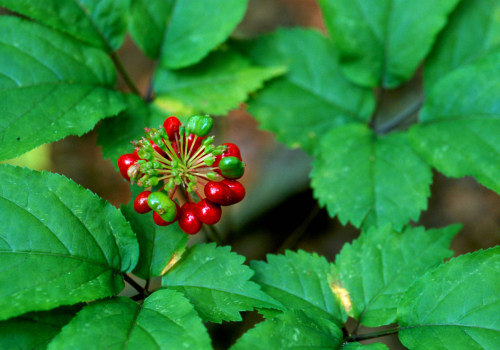
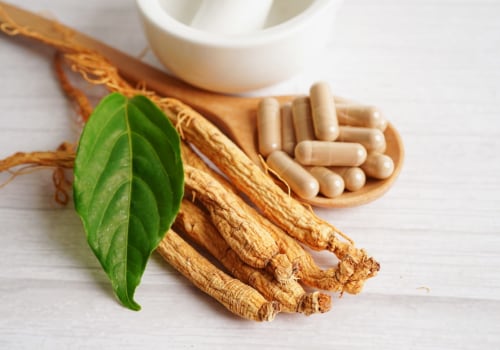
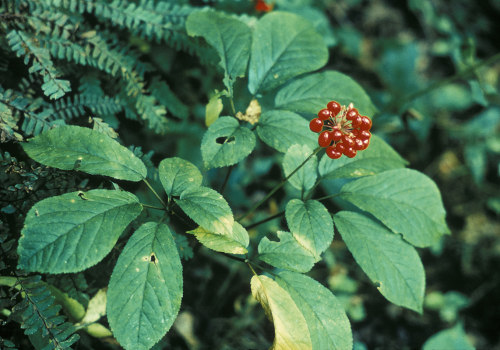
Ginseng, a revered herb in traditional medicine, has gained significant attention in recent years for its potential health benefits. Among the various types of ginseng, American ginseng (Panax quinquefolius) stands out due to its unique properties and uses. Native to North America, this variety is known for its milder effects compared to its Asian counterpart, making it a popular choice for those seeking a natural way to enhance their well-being. American ginseng is often celebrated for its adaptogenic qualities, which help the body manage stress and maintain balance. This herb is rich in ginsenosides, the active compounds believed to contribute to its health benefits.
Regular consumption of American ginseng tea can support immune function, improve mental clarity, and even enhance physical performance. As more people turn to herbal remedies for holistic health solutions, understanding the specific uses of American ginseng becomes increasingly important. In addition to American ginseng, there are several other types of ginseng, including Asian ginseng (Panax ginseng) and Siberian ginseng (Eleutherococcus senticosus). Each type offers distinct benefits and may be more suitable for different individuals based on their health needs and lifestyle. For instance, while Asian ginseng is often used for boosting energy levels and enhancing cognitive function, Siberian ginseng is typically utilized for its stamina-boosting properties. As we delve deeper into the topic of when to consume ginseng tea—whether in the morning or at night—it’s essential to consider how the timing can influence the effectiveness of these benefits. Regular consumption of American ginseng tea can support immune function, improve mental clarity, and even enhance physical performance. As more people turn to herbal remedies for holistic health solutions, understanding the specific uses of American ginseng becomes increasingly important. In addition to American ginseng, there are several other types of ginseng, including Asian ginseng (Panax ginseng) and Siberian ginseng (Eleutherococcus senticosus). Each type offers distinct benefits and may be more suitable for different individuals based on their health needs and lifestyle. For instance, while Asian ginseng is often used for boosting energy levels and enhancing cognitive function, Siberian ginseng is typically utilized for its stamina-boosting properties. As we delve deeper into the topic of when to consume ginseng tea—whether in the morning or at night—it’s essential to consider how the timing can influence the effectiveness of these benefits.
By understanding the various types of ginseng and their specific uses, you can make informed decisions about incorporating this powerful herb into your daily routine.
The Science Behind Ginseng: How It Works
Ginseng, particularly American ginseng, has garnered attention for its potential health benefits, largely attributed to its active compounds known as ginsenosides. These saponins play a crucial role in how ginseng interacts with the body, influencing various physiological processes.Understanding Ginsenosides
- Mechanism of Action: Ginsenosides are believed to modulate the immune system, enhance energy metabolism, and improve cognitive function. They achieve this by interacting with cell membranes and influencing signaling pathways that regulate cellular activity.
- Adaptogenic Properties: As an adaptogen, ginseng helps the body adapt to stressors—both physical and mental. This means that it can help stabilize physiological processes and promote homeostasis, making it easier for individuals to cope with stress.
-
Neuroprotective Effects: Research suggests that ginsenosides may protect brain cells from damage caused by oxidative stress, potentially reducing the risk of neurodegenerative diseases.
This neuroprotective effect can enhance cognitive function and improve mood.
The Role of Timing
The timing of ginseng consumption can significantly impact its effectiveness. For instance, taking ginseng in the morning may provide a much-needed energy boost due to its stimulating properties. Conversely, consuming it at night could interfere with sleep patterns, as its energizing effects may lead to restlessness.
Research Insights
Studies have shown that ginsenosides can influence neurotransmitter levels in the brain, such as serotonin and dopamine, which are critical for mood regulation. This is particularly relevant for individuals dealing with anxiety or depression.
Understanding these mechanisms not only highlights the importance of when to consume ginseng but also underscores its potential as a natural remedy for enhancing overall well-being. In summary, the science behind ginseng reveals a complex interplay of biochemical interactions that contribute to its health benefits. By understanding how ginsenosides work within the body, individuals can make informed decisions about when to incorporate American ginseng tea into their daily routine for optimal results.
Morning Benefits of Drinking Ginseng Tea
Starting your day with a warm cup of ginseng tea can be a transformative experience, offering a range of benefits that can enhance your morning routine. One of the most notable advantages of consuming ginseng tea in the morning is its ability to provide a significant energy boost. Unlike caffeine, which can lead to a quick spike and subsequent crash, ginseng works more subtly to enhance your energy levels throughout the day.This makes it an excellent choice for those looking to avoid the jitters associated with coffee. Moreover, ginseng tea is known for its potential to improve cognitive function. Research suggests that the active compounds in American ginseng, particularly ginsenosides, may help enhance memory and concentration. This is particularly beneficial for individuals who need to stay sharp during busy mornings or while tackling challenging tasks at work or school. By incorporating ginseng tea into your morning routine, you may find that you are more alert and focused, allowing you to approach your day with greater clarity. In addition to boosting energy and cognitive function, drinking ginseng tea in the morning can also support overall well-being.
The adaptogenic properties of ginseng help the body manage stress more effectively. Starting your day with a calming ritual like sipping on ginseng tea can set a positive tone for the hours ahead, helping you navigate daily challenges with a more balanced mindset. For those who engage in morning workouts, ginseng tea can serve as an excellent pre-exercise beverage. Its natural energizing effects can enhance physical performance and endurance, making it easier to push through challenging workouts. Additionally, consuming ginseng tea before exercise may aid in recovery post-workout due to its anti-inflammatory properties. In summary, drinking ginseng tea in the morning offers numerous benefits including increased energy levels, improved cognitive function, and enhanced stress management.
Whether you are looking to kickstart your day or improve your overall health, incorporating this herbal tea into your morning routine could be a wise choice.
Evening Consumption: Is It Beneficial?
Consuming ginseng tea in the evening can be a topic of debate among herbal enthusiasts. While many people enjoy the invigorating effects of ginseng during the day, its impact on relaxation and sleep quality at night is worth exploring.Evening Ginseng Tea Benefits
- Stress Relief: One of the primary benefits of drinking ginseng tea in the evening is its potential to help alleviate stress. The adaptogenic properties of American ginseng may assist in balancing cortisol levels, which can be particularly beneficial after a long day.
- Enhanced Mood: Some studies suggest that ginseng can improve overall mood and emotional well-being. Consuming it in the evening might help unwind and promote a sense of calm, making it easier to transition into a restful state.
-
Digestive Aid: Drinking ginseng tea after dinner may aid digestion.
Its natural compounds can stimulate digestive enzymes, potentially easing discomfort and promoting better nutrient absorption.
Sleep Impact
Despite its benefits, there are concerns regarding the consumption of ginseng tea close to bedtime. Ginseng is known for its stimulating effects, which can lead to increased alertness and energy levels. For some individuals, this may interfere with their ability to fall asleep or achieve deep sleep. It is essential to consider personal tolerance levels when deciding whether to drink ginseng tea in the evening. Some people may find that they can enjoy it without any adverse effects on their sleep, while others might experience restlessness or difficulty falling asleep.
Relaxation Techniques
If you choose to consume ginseng tea at night, consider pairing it with relaxation techniques to mitigate any potential sleep disturbances.
Practices such as deep breathing, meditation, or gentle yoga can enhance the calming effects of the tea and promote a more restful night. In conclusion, while there are potential benefits to drinking ginseng tea in the evening, it is crucial to listen to your body and assess how it affects your sleep patterns. Experimenting with timing and combining it with relaxation methods may help you enjoy the advantages of ginseng without compromising your nighttime rest.
Personal Preferences: Finding Your Ideal Time
When it comes to determining the best time to drink ginseng tea, personal preference plays a crucial role. Each individual may respond differently to ginseng, influenced by factors such as lifestyle, health conditions, and even daily routines. Therefore, finding your ideal time to consume this herbal tea can enhance its benefits and align with your specific needs.Understanding Your Body's Response
One of the first steps in identifying the optimal time for ginseng tea consumption is to pay attention to how your body reacts.
Some people may find that drinking ginseng tea in the morning provides them with a much-needed energy boost, helping them feel more alert and focused throughout the day. This can be particularly beneficial for those who struggle with morning fatigue or need an extra push to kickstart their day.
On the other hand, others might prefer consuming ginseng tea in the evening or before workouts. For some, this timing can help enhance physical performance and endurance during exercise. If you find that ginseng helps you feel invigorated, having it before a workout could be advantageous.
Experimenting with Timing
To discover what works best for you, consider experimenting with different times of day for your ginseng tea consumption.
You might try:
- Morning: Start your day with a cup of ginseng tea to boost energy levels.
- Pre-Workout: Drink it about 30 minutes before exercising to enhance stamina.
- Afternoon: Use it as a pick-me-up during the mid-afternoon slump.
- Evening: If you find it relaxing, enjoy a cup in the evening, but be cautious of its stimulating effects.
Listening to Your Body
Your body is an excellent indicator of what works best for you. If you notice that consuming ginseng tea at a particular time disrupts your sleep or causes jitters, it may be wise to adjust your schedule. Additionally, consider any other health conditions or medications that might interact with ginseng's effects. Ultimately, the best time to drink ginseng tea is when it aligns with your personal preferences and lifestyle. By being mindful of how your body responds and making adjustments as needed, you can maximize the benefits of this powerful herb while enjoying its unique flavors.
Potential Side Effects and Considerations
While ginseng tea is celebrated for its numerous health benefits, it is essential to be aware of potential side effects and considerations to ensure safe consumption.Understanding these factors can help you enjoy the advantages of ginseng without experiencing adverse reactions.
Common Side Effects
Although many people tolerate ginseng well, some may experience side effects. Commonly reported issues include:- Insomnia: Due to its stimulating properties, consuming ginseng tea too late in the day may lead to difficulty sleeping.
- Headaches: Some individuals report headaches after consuming ginseng, particularly if taken in large doses.
- Digestive Issues: Ginseng can cause stomach upset, diarrhea, or nausea in some users.
- Nervousness or Anxiety: High doses may lead to feelings of restlessness or anxiety.
Contraindications
Certain individuals should exercise caution or avoid ginseng altogether. These include:- Pregnant or Nursing Women: The effects of ginseng on pregnancy and breastfeeding are not well-studied, so it is best to avoid it during these times.
- Individuals with Autoimmune Diseases: Those with conditions like rheumatoid arthritis or lupus should consult a healthcare provider before using ginseng, as it may exacerbate symptoms.
- People with High Blood Pressure: Asian ginseng can potentially raise blood pressure; therefore, those with hypertension should seek medical advice before consumption.
- Individuals on Blood Thinners: Ginseng may interact with anticoagulant medications, increasing the risk of bleeding.
Safe Consumption Guidelines
To maximize the benefits of ginseng while minimizing risks, consider the following guidelines:- Consult a Healthcare Professional: Before starting any new herbal regimen, especially if you have pre-existing health conditions or are taking medications.
- Start with Small Doses: If you are new to ginseng, begin with a lower dose to assess your tolerance.
- Avoid Long-Term Use: Limit consumption to short periods (e.g., 1 month for American ginseng) followed by breaks to prevent dependency and side effects.
- Avoid Late-Day Consumption: To prevent insomnia, consume ginseng tea in the morning or early afternoon rather than in the evening.
FAQs About Ginseng Tea Consumption Timing
When it comes to consuming ginseng tea, many individuals have questions about the optimal timing for its consumption. Here are some frequently asked questions that can help clarify common doubts and provide practical advice.1.Can I drink ginseng tea at any time of the day?
While ginseng tea can technically be consumed at any time, the effects it has on your body may vary depending on when you drink it.For those seeking an energy boost or enhanced focus, morning consumption is often recommended. This is particularly beneficial for individuals who need a pick-me-up to start their day or enhance their productivity.
2.Is it safe to drink ginseng tea before bed?
Due to its stimulating properties, it is generally advised to avoid drinking ginseng tea close to bedtime. Consuming it in the evening may interfere with your ability to fall asleep, as it can increase alertness and energy levels. If you are sensitive to stimulants, consider having your last cup of ginseng tea in the early afternoon.3.Should I take ginseng tea on an empty stomach?
Many herbalists suggest that drinking ginseng tea on an empty stomach can enhance its absorption and effectiveness.However, some individuals may experience mild stomach discomfort if they consume it without food. If you find that drinking it on an empty stomach causes issues, try pairing it with a light meal or snack.
4.How often can I drink ginseng tea?
Moderation is key when consuming ginseng tea. It is generally recommended to limit intake to 1-2 cups per day. Prolonged use should be approached with caution; for instance, American ginseng should not be taken continuously for more than one month.Always consult with a healthcare professional if you plan to use ginseng regularly.
5.Can I combine ginseng tea with other herbal teas?
Combining ginseng tea with other herbal teas can be beneficial, but it's essential to consider the properties of the other herbs involved. Some herbs may have calming effects that could counteract the stimulating nature of ginseng. Always research or consult an expert before mixing different herbal teas. By understanding these common questions about the timing of ginseng tea consumption, you can make informed decisions that align with your health goals and lifestyle preferences.Conclusion: Making an Informed Choice on Ginseng Tea Timing
In conclusion, the decision of when to consume ginseng tea—whether in the morning or at night—should be guided by a combination of personal preferences and an understanding of the herb's properties. As we have explored, American ginseng offers a range of potential benefits, including enhanced energy levels, improved mental clarity, and support for overall well-being.However, the timing of consumption can significantly influence these effects. For those seeking a natural boost to kickstart their day, drinking ginseng tea in the morning may be the most beneficial choice. The stimulating properties of ginseng can help increase alertness and focus, making it an excellent companion for busy mornings or pre-workout routines. Additionally, consuming ginseng tea on an empty stomach can enhance its absorption, allowing your body to fully utilize its active compounds. Conversely, if you are considering ginseng tea for relaxation or stress relief, evening consumption might be more appropriate. However, it is crucial to be mindful of your body's response to ginseng.
Some individuals may experience heightened energy levels that could interfere with sleep if consumed too close to bedtime. Therefore, it is advisable to monitor how your body reacts and adjust your intake accordingly. Moreover, understanding the recommended usage guidelines is essential for safe consumption. As noted earlier, American ginseng should not be taken continuously for extended periods. Consulting with a healthcare professional can provide personalized advice tailored to your health needs and lifestyle. Ultimately, the best time to enjoy ginseng tea is subjective and varies from person to person.
By considering both scientific insights and individual experiences, you can make an informed choice that aligns with your health goals and daily routine. Whether you opt for a morning energizer or an evening relaxant, incorporating ginseng tea into your regimen can be a rewarding experience that enhances your overall quality of life.